

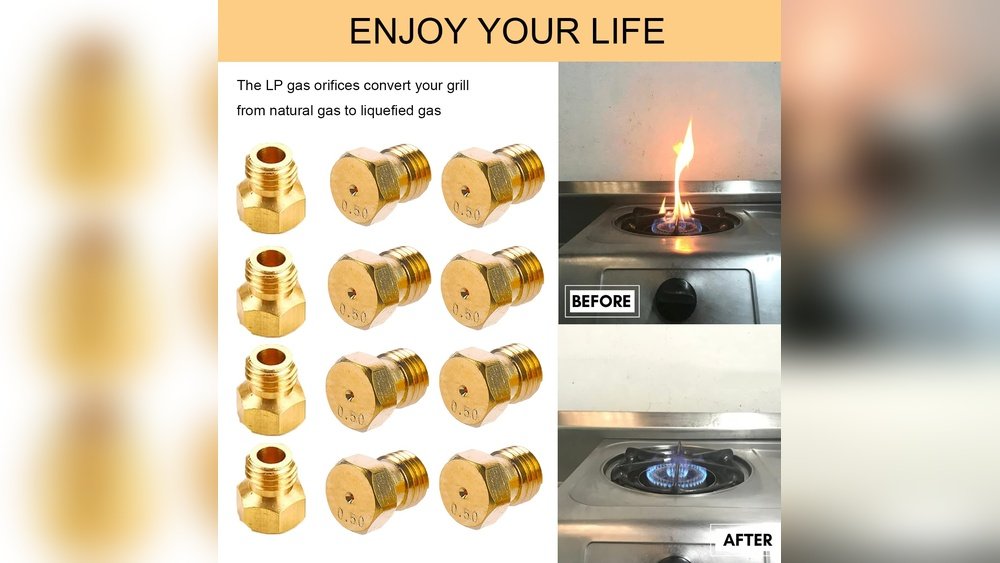
If you use a propane appliance but want to switch it to natural gas, you might need to drill out the propane orifice first. This small step is crucial for making sure your appliance runs safely and efficiently on natural gas.
You might feel unsure about how to do this without damaging your equipment or causing a safety hazard. Don’t worry—this guide will walk you through the process step-by-step. By the end, you’ll know exactly how to drill out a propane orifice for natural gas and get your appliance working just right.
Keep reading—you’ll find simple tips and clear instructions that make this job easier than you think.

Credit: www.grillparts.com
Safety Precautions
Safety must be your top priority before drilling out a propane orifice for natural gas. Taking the right precautions prevents accidents and protects your health. Follow these safety steps carefully to work safely.
Turn Off Gas Supply
Always shut off the gas supply completely before starting. This stops any gas flow that could cause fire or explosion. Double-check the valve to make sure it is fully closed.
Wear Protective Gear
Use safety glasses to protect your eyes from metal shavings. Wear gloves to shield your hands from sharp edges. A long-sleeved shirt can help protect your skin.
Work In A Ventilated Area
Choose a place with good airflow to avoid gas buildup. Open windows or use fans to keep fresh air moving. Never drill in a closed room or near flames.

Credit: www.amazon.com
Tools And Materials Needed
Drilling out a propane orifice for natural gas requires the right tools. Using proper materials ensures safety and accuracy. Gather everything before starting to avoid interruptions.
Drill And Drill Bits
A small drill is essential for this task. Choose drill bits in different sizes for precise control. A drill with variable speed helps prevent damage. Use bits made for metal to drill through the orifice easily.
Propane Orifice
Have the correct propane orifice ready for modification. Orifices come in various sizes and shapes. Identify the one that matches your appliance to ensure proper fit and function. Handle it carefully to avoid bending or breaking.
Cleaning Brushes
Cleaning brushes remove metal shavings after drilling. Use small, stiff brushes designed for gas parts. Clean the orifice inside and out to keep the gas flow clear. Proper cleaning helps maintain safety and efficiency.
Locate The Orifice
Locating the orifice is the first step in drilling out a propane orifice for natural gas. It is important to find the exact spot where gas flows into the burner. This part controls the gas flow and affects the flame size. Knowing its position helps you work safely and effectively.
Identify The Burner Assembly
The burner assembly holds the parts where gas mixes with air. It is usually found behind the control knob or panel. Look for a metal piece with small holes or tubes. This is where the orifice is located. Check for screws or clips that keep the assembly in place.
Remove Orifice Holder
The orifice holder is a small piece that holds the orifice. Use a wrench or pliers to loosen it carefully. Turn it counterclockwise to remove it. Keep the holder and screws safe for reassembly. Once removed, you can see the orifice inside the holder clearly.
Remove The Existing Orifice
Removing the existing orifice is the first step in drilling out a propane orifice for natural gas use. This part controls gas flow, so handle it carefully. Taking out the orifice correctly helps avoid damage and keeps everything working well.
Use Proper Wrench
Choose a wrench that fits the orifice snugly. Too big or too small can slip and cause damage. Turn the wrench slowly to loosen the orifice. Avoid using excessive force to prevent bending or breaking.
Avoid Damaging Threads
Thread damage can cause leaks and poor fitting. Turn the orifice gently and straight to keep threads intact. If the orifice is stuck, apply a little penetrating oil and wait. Clean the threads after removal to ensure smooth reinstallation.
Drill The Orifice
Drilling the orifice is a key step in adjusting your propane or natural gas system. It changes the size of the hole where the gas flows through. This controls the amount of gas reaching the burner. Doing this carefully ensures better performance and safety. Follow each step with attention to avoid damage or leaks.
Select Correct Drill Bit Size
Choose a drill bit that matches the desired orifice size. Check the manufacturer’s specifications before starting. Using the wrong size can cause poor gas flow or damage. Use a high-quality drill bit for clean cuts. Avoid bits that are dull or worn out.
Drill Slowly And Steadily
Hold the orifice firmly in place. Start drilling at a slow speed to maintain control. Keep the drill steady and straight to avoid enlarging the hole unevenly. Apply light pressure, letting the drill bit do the work. Stop often to check progress and prevent overheating.
Clean Debris Thoroughly
After drilling, remove all metal shavings and dust. Use a small brush or compressed air to clear the hole. Debris can block gas flow and cause safety issues. Inspect the orifice to ensure it is smooth and clear. Proper cleaning helps the system run smoothly and safely.
Reinstall And Test
After drilling out the propane orifice for natural gas, reinstalling and testing are crucial steps. Proper installation ensures safety and efficient operation. Testing confirms the system works correctly and safely. Follow these steps carefully to complete the process.
Secure Orifice In Place
Place the orifice back into the burner assembly carefully. Tighten the orifice screw firmly but avoid over-tightening. Use the correct tools to prevent damage. The orifice must sit flush and stable. This step prevents gas leaks and ensures proper gas flow.
Check For Gas Leaks
Turn on the gas supply slowly. Apply a soap and water solution around the orifice area. Look for bubbles that indicate leaks. Do not skip this safety check. If you see bubbles, tighten connections and test again. Never use a flame to check leaks.
Test Burner Flame
Light the burner carefully after confirming no leaks. Observe the flame color and shape. A steady blue flame means good combustion. Yellow or flickering flames suggest a problem. Adjust the air shutter or orifice size if needed. A proper flame saves fuel and reduces emissions.
Troubleshooting Tips
Troubleshooting problems during the process of drilling out a propane orifice for natural gas is important. Small issues can stop the burner from working right. Fixing these issues fast keeps your gas appliance safe and efficient. Here are common problems and simple tips to solve them.
Uneven Flame Issues
Uneven flames often mean the orifice hole is not drilled evenly. Check the size and shape of the hole carefully. Use a small drill bit for better control. Clean any debris inside the orifice with a soft brush. Make sure the burner ports are clear of dirt and rust. Uneven flames may also happen if the air shutter is not set correctly. Adjust the air shutter to get a steady, blue flame.
Gas Flow Problems
Gas flow problems cause weak or no flames. First, check the gas valve to ensure it is fully open. Inspect the gas line for leaks or blockages. Use a soapy water solution to find leaks; bubbles will form if gas escapes. Make sure the regulator is working properly. A faulty regulator can reduce gas pressure and affect flow. Clean the orifice carefully after drilling to remove any metal shavings that may block gas flow.

Credit: www.grillparts.com
Frequently Asked Questions
How Do I Drill Out A Propane Orifice Safely?
To drill out a propane orifice safely, use a proper drill bit matching the orifice size. Always wear safety goggles and gloves. Ensure the gas supply is turned off before starting the process to prevent accidents or gas leaks.
What Tools Are Needed For Drilling A Natural Gas Orifice?
You need a drill with fine drill bits, a wrench, and safety gear like gloves and goggles. A steady hand and a clean workspace also help ensure precision when drilling a natural gas orifice.
Can Drilling Out An Orifice Affect Appliance Performance?
Yes, drilling out an orifice changes gas flow, which can impact appliance efficiency. It may cause improper combustion or unsafe operation if not done correctly. Always follow manufacturer guidelines or consult a professional before modification.
Is It Legal To Modify A Propane Orifice By Drilling?
Modifying a propane orifice by drilling can violate safety codes and warranties. Check local regulations and manufacturer instructions before altering any gas appliance parts. Unauthorized modifications may lead to safety hazards and legal issues.
Conclusion
Drilling out a propane orifice for natural gas requires care and patience. Always use the right tools to avoid damage. Take small steps and check your progress often. Safety should stay your top priority during the process. With the right approach, you can complete the task smoothly.
Keep instructions close and follow them carefully. This simple guide helps you understand the key steps well. Stay cautious and work slowly for best results.
