

Are you tired of juggling multiple cordless drill batteries every time you switch tools? You’re not alone.
Many people wonder if their drill batteries can work across different models or brands. Imagine saving time, money, and frustration by using just one battery for all your drills. You’ll discover the truth about cordless drill battery compatibility. Keep reading to find out how to make your tools work smarter, not harder.

Credit: www.acquetech.com
Cordless Drill Battery Basics
Cordless drill batteries power the tool without a cord. They store energy and let you work freely. Knowing battery basics helps you choose the right one.
Batteries differ by type, voltage, and size. These factors affect drill performance and compatibility.
Types Of Batteries
Drills use mainly three battery types: Nickel-Cadmium (NiCd), Nickel-Metal Hydride (NiMH), and Lithium-Ion (Li-Ion). NiCd is older and heavier. NiMH offers better capacity but less common now. Li-Ion is popular due to light weight and long life. Most new drills use Li-Ion batteries.
Battery Voltage And Capacity
Voltage shows battery power. Higher voltage means more strength for tough jobs. Common drill voltages range from 12V to 20V. Capacity shows how long the battery lasts. It is measured in ampere-hours (Ah). Larger Ah means longer usage between charges.
Common Battery Sizes
Batteries come in standard sizes for easy fitting. Sizes like 12V, 18V, and 20V are common. Battery size affects drill weight and balance. Always check battery size to match your drill model.

Credit: www.keramischparket.nl
Brand Compatibility
Brand compatibility is key when discussing cordless drill batteries. Each brand designs batteries with unique shapes and connections. These differences affect whether batteries fit and work in drills from other brands. Understanding this can save time and money.
Major Brands And Their Batteries
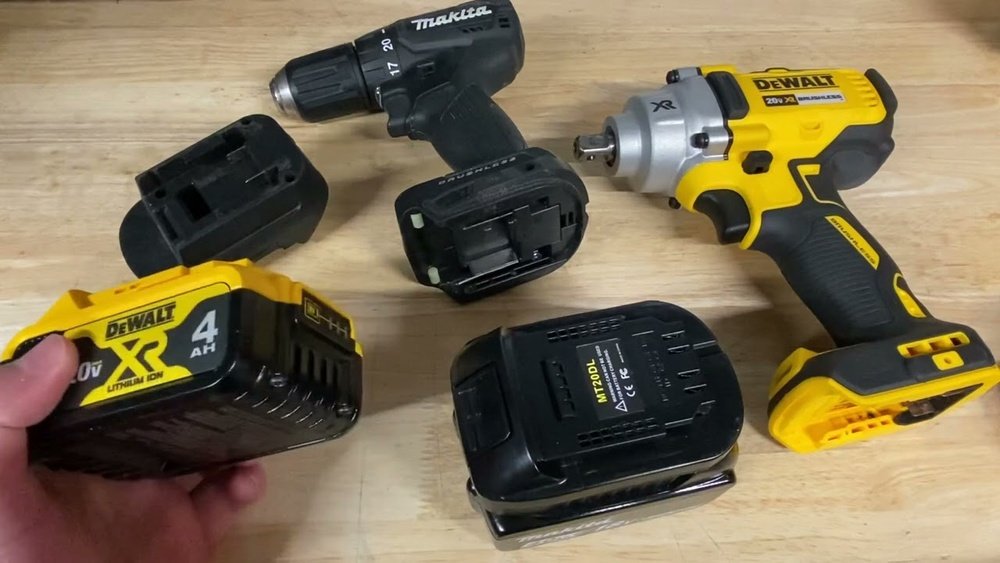
Popular cordless drill brands include DeWalt, Makita, Milwaukee, Bosch, and Ryobi. Each brand uses specific battery types. DeWalt uses 20V MAX batteries. Makita prefers 18V LXT batteries. Milwaukee has M18 batteries. Bosch offers 18V batteries. Ryobi uses 18V ONE+ batteries. These batteries differ in size and voltage.
Cross-brand Compatibility Challenges
Batteries from one brand usually do not fit drills from another brand. The shape, voltage, and connection points vary. Using a battery from a different brand can damage the tool. It may also void the warranty. Mixing batteries and drills from different brands is risky.
Third-party Battery Options
Some third-party companies make batteries that fit multiple brands. These batteries can be cheaper than original ones. They try to match the voltage and shape of popular brands. Quality varies widely. Choose third-party batteries carefully to avoid poor performance or damage.
Battery Technology Impact
Battery technology plays a big role in cordless drill performance and compatibility. Different battery types affect power, weight, and how long the drill runs. Understanding these differences helps decide if batteries can be swapped between drills.
Nicd Vs. Li-ion Batteries
Nickel-Cadmium (NiCd) batteries are older technology. They are heavier and hold less charge. Lithium-Ion (Li-Ion) batteries are lighter and last longer. Li-Ion batteries also keep their charge better when not in use. Most new drills use Li-Ion batteries because they are more efficient.
Performance Differences
NiCd batteries lose power quickly during use. Li-Ion batteries deliver steady power until nearly empty. NiCd batteries suffer from memory effect, reducing their capacity over time. Li-Ion batteries do not have this problem. This means Li-Ion batteries keep drills running strong longer.
Charging Requirements
NiCd batteries need full discharge before charging to avoid memory effect. Li-Ion batteries can be charged anytime without damage. Charging NiCd batteries takes longer and requires special chargers. Li-Ion batteries charge faster and use modern chargers. Using the wrong charger can damage the battery or drill.
Physical And Electrical Factors
Understanding physical and electrical factors is key to knowing if cordless drill batteries can be swapped. These factors affect how well a battery fits and works with a drill. A mismatch can cause damage or poor performance. Let’s explore the main points.
Battery Shape And Connector Types
Batteries come in many shapes and sizes. Each brand may use a unique design. The battery must fit snugly in the drill’s slot. Connector types also differ. Some use slide-in connectors, others use pins or clips. A wrong connector means the battery won’t attach or power the drill.
Voltage Matching
Voltage shows the power level of a battery. Drills require a specific voltage to function well. Using a battery with different voltage can harm the drill or reduce its life. Always check the voltage rating on the battery and drill. They must match for safe and efficient use.
Safety Considerations
Mixing batteries and drills can cause safety risks. Wrong connections may lead to sparks or short circuits. Overheating or swelling batteries are dangers too. Only use batteries approved for your drill model. This avoids accidents and keeps your tools working longer.
Testing Battery Interchangeability
Testing battery interchangeability is important before using a cordless drill battery. Not all batteries fit all drills. Checking compatibility saves time and prevents damage. It also helps you avoid buying the wrong battery. Testing ensures your tools work safely and efficiently.
How To Check Compatibility
Look at the battery’s voltage and size. Match these with your drill’s requirements. Check the brand and model number on the battery and drill. Use the user manual to find compatible batteries. Some brands offer cross-compatible batteries. Use official websites for compatibility lists.
Tools For Testing
A multimeter helps test battery voltage and charge. Use a battery tester to check battery health. Insert the battery into the drill to see if it fits. Power on the drill to test battery function. Some stores offer compatibility testing services. These tools help confirm if batteries work well.
Common Compatibility Issues
Batteries may not fit due to size differences. Voltage mismatches can cause drill damage. Some batteries lack the correct connectors. Older batteries may not work with new drills. Mixing brands can lead to poor performance. Testing avoids these common problems before use.
Tips For Buying Replacement Batteries
Buying replacement batteries for cordless drills can be tricky. Not all batteries fit every model. Choosing the right one saves money and improves drill performance. Follow these tips to pick the best battery for your tool.
Identifying Compatible Models
Check your drill’s model number first. Look at the battery’s label for matching codes. Some brands use the same battery for several models. Avoid guessing. Using the wrong battery can damage your drill or reduce power.
Buying From Reputable Sources
Buy batteries from trusted stores or official dealers. Avoid cheap, unknown sellers. Fake batteries may not last or work properly. Reputable sources offer real, tested products. Your drill will run longer and safer.
Warranty And Return Policies
Always check the warranty before buying. Good batteries come with a warranty for defects or issues. Know the return policy too. It helps if the battery does not fit or work as expected. Protect your money and your drill.
Maximizing Battery Life
Maximizing the life of your cordless drill battery helps you save money and get more work done. Batteries wear out over time. How you charge, store, and maintain them affects how long they last. Follow simple steps to keep your battery healthy and strong.
Proper Charging Practices
Charge your battery fully before first use. Avoid letting it drain completely. Use the charger made for your battery. Do not leave the battery on the charger after it is full. Overcharging can reduce battery life. Charge in a cool, dry place for best results.
Storage Tips
Store batteries in a cool, dry area. Avoid places with high heat or cold. Remove batteries from the drill if you won’t use them for a while. Keep batteries away from metal objects to prevent short circuits. Store partially charged batteries, around 40-60%, to keep them healthy.
Maintenance For Longevity
Clean battery contacts regularly to ensure good connection. Check for damage or cracks before each use. Avoid dropping or hitting the battery. Use the battery often to keep it active. If not used for long, recharge every few months to prevent damage.

Credit: www.przewozcm.eu
Frequently Asked Questions
Are All Cordless Drill Batteries Interchangeable?
No, not all cordless drill batteries are interchangeable. Compatibility depends on the brand, voltage, and battery type. Always check the manufacturer’s specifications before swapping batteries between drills.
Can I Use Different Brand Batteries For My Drill?
Using batteries from different brands is generally not recommended. Voltage and connection types vary, risking damage or poor performance. Stick to the original brand or compatible models specified by the manufacturer.
How Do I Know If A Battery Fits My Cordless Drill?
Check the drill’s voltage, battery shape, and connector type. Refer to the user manual or manufacturer’s website for compatible battery models. Proper fit ensures safety and optimal drill performance.
What Happens If I Use A Wrong Battery In My Drill?
Using the wrong battery can cause poor performance, damage the drill, or even create safety hazards. It may also void the warranty. Always use recommended batteries for your cordless drill.
Conclusion
Cordless drill batteries often fit only specific brands or models. Mixing batteries can cause poor performance or damage. Always check your drill’s brand and battery type before swapping. Using the right battery ensures longer tool life and better work results.
Keep spare batteries that match your drill for convenience. This saves time and avoids unexpected power loss. Remember, not all batteries are made equal. Choose carefully and use your drill safely.
