


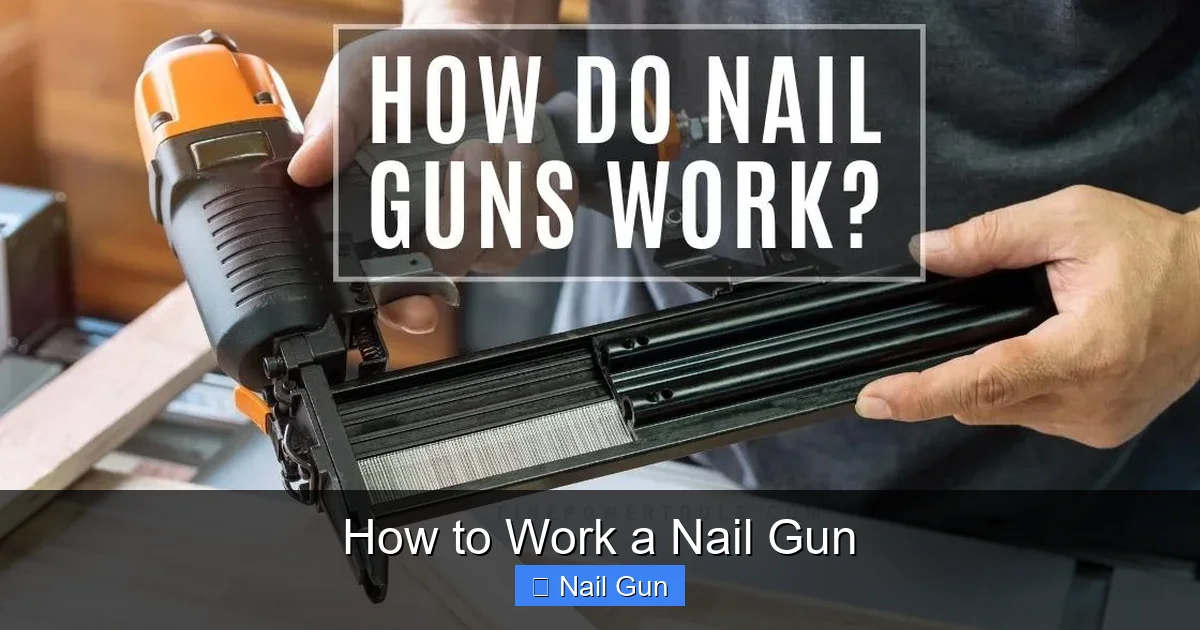
In this guide, you’ll learn how to operate a nail gun safely and efficiently. From understanding different types of nail guns to step-by-step instructions, you’ll gain the confidence to complete your projects with precision and safety. Whether you’re a DIY enthusiast or a professional, mastering a nail gun is essential for fast and accurate nailing.
How to Work a Nail Gun
If you’re planning a woodworking project, framing, or any construction task, knowing how to work a nail gun is a valuable skill. Nail guns make fastening quicker and more precise than traditional hammering. In this comprehensive guide, we’ll walk you through every step — from understanding different types of nail guns to safety tips and troubleshooting. By the end, you’ll be confident to operate a nail gun safely and effectively.
Key Takeaways
- Understanding Nail Guns: Know the different types of nail guns and their specific uses to choose the right tool for your project.
- Safety First: Always wear protective gear and follow safety guidelines to prevent accidents.
- Preparing the Nail Gun: Load nails correctly and check the tool before use for optimal performance.
- Proper Operation: Learn how to hold, aim, and activate the nail gun for accurate and safe nailing.
- Maintenance Tips: Regularly clean and inspect your nail gun to extend its lifespan and ensure safety.
- Troubleshooting: Know common issues and how to fix them to keep your nail gun working smoothly.
Understanding Different Types of Nail Guns
Before you start, it’s important to know the types of nail guns available. Each type is designed for specific tasks and materials. Here are the most common:
Framing Nail Guns
Used for heavy-duty tasks like building frames, decks, and large structures. They shoot large nails (2-3.5 inches).
Finish Nail Guns
Ideal for trim, molding, and cabinetry. They use smaller nails (1-2 inches) for a finished look.
Brad Nail Guns
Used for delicate trim and crafts. They fire very small nails (up to 1.5 inches).
Pin Nail Guns
Best for fine detail work; they shoot tiny nails (up to 1 inch). Mainly used in furniture making.
Safety First: Essential Precautions
Working with a nail gun can be dangerous if not handled properly. Always prioritize safety:
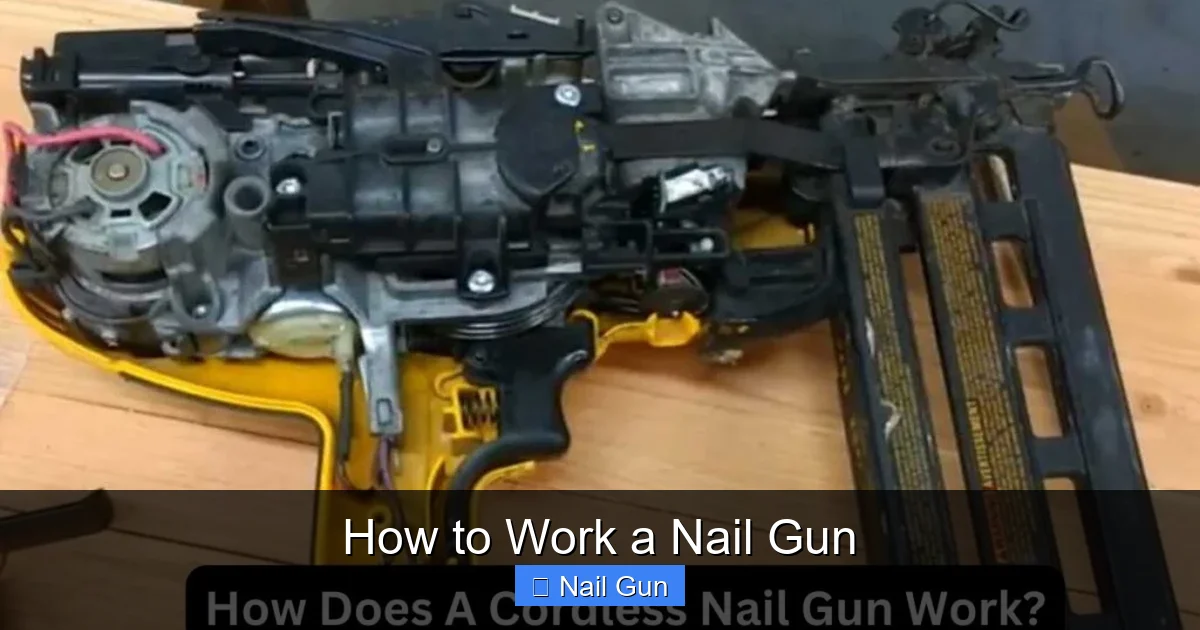
Visual guide about How to Work a Nail Gun
Image source: toolsmirror.com
- Wear protective gear: Safety glasses, hearing protection, and gloves.
- Read the manual: Understand your specific nail gun model before use.
- Keep your hands clear: Avoid placing your hands or body parts where nails are being shot.
- Work in a safe environment: Ensure the area is clear of bystanders and obstacles.
- Disconnect power when not in use: Unplug or remove the battery during maintenance or when loading nails.
Preparing Your Nail Gun for Use
Proper preparation ensures safety and efficiency. Follow these steps:
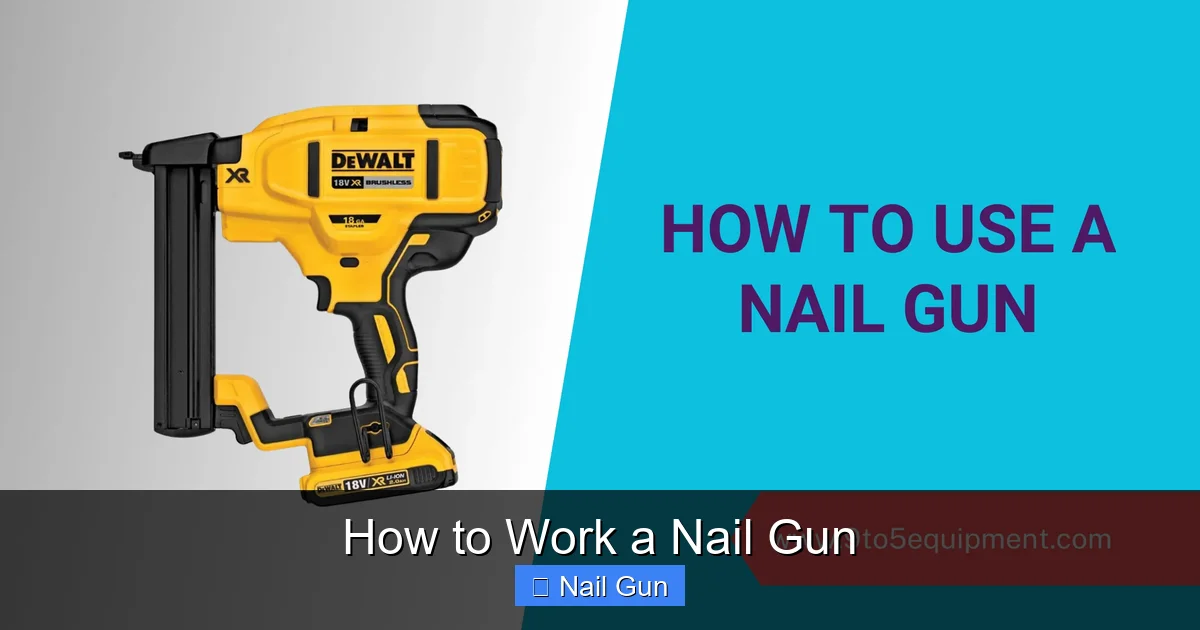
Visual guide about How to Work a Nail Gun
Image source: 9to5equipment.com
Loading Nails Correctly
- Select the right nails: Match the size and type to your project and nail gun specs.
- Open the nail magazine: Usually by pressing a latch or sliding a cover.
- Insert the nails: Align them properly, with the pointed end facing outward, and ensure they are seated flat.
- Close the magazine: Check that it clicks securely into place.
Checking the Tool
- Inspect the air hose or battery: Ensure it’s connected properly and in good condition.
- Test fire: Point the gun away from yourself and press the trigger to ensure it fires correctly.
- Adjust the depth setting: Use the regulator to control how deep nails are driven into the material.
How to Operate a Nail Gun Step-by-Step
Step 1: Wear Safety Gear
Always put on your safety glasses, hearing protection, and gloves before handling the nail gun.
Step 2: Prepare the Work Surface
Ensure the material you’re nailing is steady and properly positioned. Use clamps if needed.
Step 3: Hold the Nail Gun Properly
- Grip firmly: Hold the handle with your dominant hand.
- Support the weight: Use your other hand to steady the front of the tool if needed.
Step 4: Position the Tip
Place the nose of the nail gun flat against the work surface at the correct angle. Ensure it is stable and aligned with where you want the nail to go.
Step 5: Deactivate the Safety Mechanism
Most nail guns have a safety tip or contact that must be pressed against the surface before firing. Keep this pressed to activate the trigger.
Step 6: Fire the Nail Gun
- Press the nose firmly: Push the tip against the material.
- Pull the trigger: With the safety engaged, press the trigger to fire a nail.
Release the trigger after firing, then reposition as needed for the next nail.
Step 7: Repeat as Necessary
Move the nail gun along your workpiece, repeating the process, ensuring consistent depth and alignment.
Practical Tips for Effective Nail Gun Use
- Maintain a steady stance: Keep your body balanced to avoid slips.
- Use proper technique: Let the nail gun do the work—don’t push too hard.
- Check your work: After firing, verify the nails are driven flush or at the desired depth.
- Be mindful of the environment: Avoid nailing into hidden wires or pipes.
Maintenance and Care
Keeping your nail gun in top shape prolongs its lifespan and ensures safety:
- Clean regularly: Remove dust and debris from the magazine and firing mechanism.
- Lubricate: Apply a few drops of pneumatic oil if recommended by the manufacturer.
- Inspect for wear: Check the hoses, triggers, and nail magazine for damage.
- Store properly: Keep in a dry, safe place when not in use.
Troubleshooting Common Problems
- Jamming nails: Clear jammed nails by disconnecting power, removing the magazine, and carefully extracting the nails.
- Tool not firing: Check the power source; reload nails; inspect safety mechanisms for proper engagement.
- Nails not driving flush: Adjust the depth regulator; ensure the tip is pressed firmly against the surface.
- Air leaks (for pneumatic guns): Inspect hoses and fittings; tighten connections or replace damaged parts.
Conclusion
Learning how to work a nail gun safely and effectively is a valuable skill that saves time and improves your craftsmanship. Remember to always prioritize safety, properly prepare your tool, and follow the step-by-step instructions. With practice, you’ll become confident in handling a nail gun for various projects, from framing to finishing touches. Happy nailing!
Additional Tips
- Practice on scrap material before working on your actual project.
- Use the correct nails for your specific nail gun and project.
- Never disable safety features; they are there for your protection.
🎥 Related Video: The Ultimate Guide to Using a Manual Steel Nail Gun
📺 Amazing Ideaz
The Ultimate Guide to Using a Manual Steel Nail Gun Welcome to “The Ultimate Guide to Using a Manual Steel Nail Gun”! In this …
