


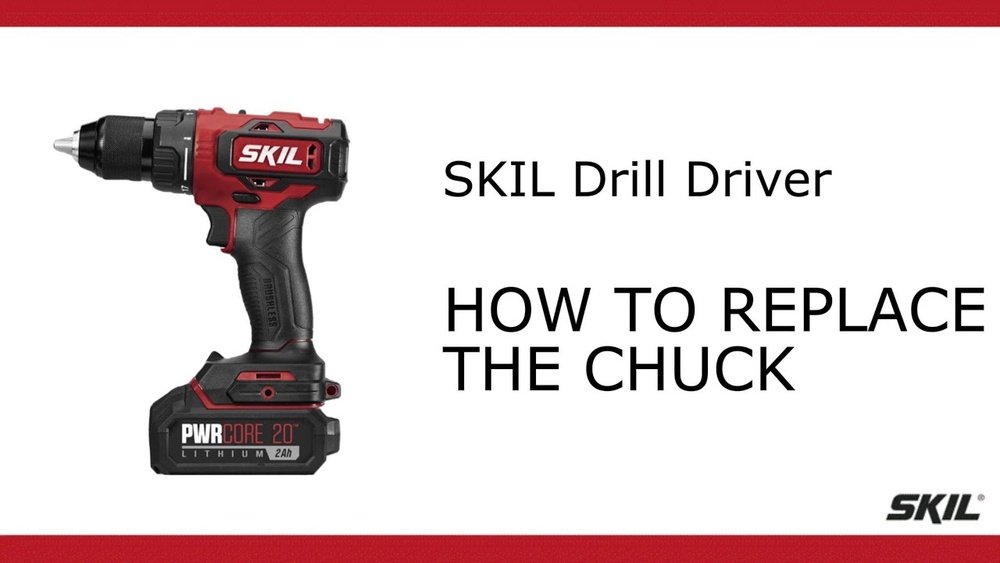
If you’ve ever struggled with a stuck chuck on your Skil cordless drill, you know how frustrating it can be. Whether you need to change a drill bit or fix a jam, knowing how to remove the chuck quickly and safely is essential.
In this guide, you’ll discover simple steps to get the job done without causing damage or wasting time. By the end, you’ll feel confident handling your drill like a pro and ready to tackle any project with ease. Keep reading to unlock the secret to hassle-free chuck removal!

Credit: manuals.plus
Tools Needed
Removing the chuck from a Skil cordless drill needs some basic tools. These tools help you do the job safely and quickly. Having the right tools makes the process easier. You can avoid damage to your drill and parts.
Keep these tools ready before starting. Each tool has a specific role. Use them carefully for best results.
Allen Wrench
An Allen wrench fits into the chuck’s locking screw. This screw holds the chuck tight. The wrench helps loosen it. Choose the right size for your drill model.
Adjustable Wrench
This wrench grips the chuck firmly. It helps turn the chuck to remove it. Adjust it to fit the chuck size. Use steady pressure to avoid slipping.
Hammer Or Rubber Mallet
A hammer or rubber mallet helps tap the chuck loose. Use gentle taps to avoid damage. A rubber mallet is softer and safer for the drill.
Protective Gloves
Wear gloves to protect your hands. They prevent cuts and scrapes. Gloves also improve grip on tools and parts.
Safety Precautions
Safety is the top priority when removing the chuck from a Skil cordless drill. Taking simple safety steps protects you from injury. It also keeps your drill in good condition.
Before starting, prepare your workspace. Make sure it is clean and well-lit. Avoid distractions to stay focused on the task.
Turn Off And Unplug The Drill
Always turn off the drill before you begin. Remove the battery pack to stop any power flow. This prevents accidental starts that can cause harm.
Wear Protective Gear
Use safety glasses to protect your eyes. Small parts or dust can fly during the process. Gloves help protect your hands from sharp edges.
Use The Right Tools
Choose tools made for your Skil drill model. Using wrong tools can damage the drill or cause injury. Follow the drill’s manual for correct tool use.
Work On A Stable Surface
Place the drill on a flat, steady surface. This keeps the drill from moving while you work. A stable position makes the job safer and easier.
Locate The Chuck
Finding the chuck on your Skil cordless drill is the first step to removing it. The chuck holds the drill bit tightly. Knowing where it is helps you remove it safely and easily.
The chuck is the part at the front of the drill. It looks like a round clamp with jaws inside. These jaws open and close to hold different sizes of drill bits.
Identify The Drill’s Front End
The chuck is located at the very front end of the drill. This part faces outward when you hold the drill ready to use. Look for a circular piece that can twist.
Check For The Keyless Or Keyed Chuck Type
Skil cordless drills often have a keyless chuck. It means you can turn it by hand. Some older models use a chuck key. That is a small tool to open the chuck jaws.
Hold The Drill Securely
Hold your drill with one hand. Use your other hand to feel the chuck area. It should be easy to grip and turn. This grip helps you remove or tighten the chuck.
Loosen The Chuck
Loosening the chuck is the first step to remove it from your Skil cordless drill. The chuck holds the drill bit tightly in place. You need to loosen it to take out the bit or remove the chuck itself. There are two common ways to loosen the chuck. One uses the keyless mechanism, and the other uses a chuck key. Both methods are easy to follow with simple steps.
Using The Keyless Mechanism
Many Skil cordless drills have a keyless chuck. This means you can loosen it by hand. Hold the drill firmly with one hand. Use your other hand to turn the chuck counterclockwise. Turn until the chuck loosens enough to remove the drill bit. Sometimes the chuck may be tight. In that case, grip it firmly and try turning again. This method is quick and needs no extra tools.
Using The Chuck Key
Some Skil drills use a chuck key to loosen the chuck. The chuck key fits into the holes on the chuck. Insert the key into the hole and turn it counterclockwise. This action loosens the chuck jaws that hold the bit. Turn until the chuck is loose enough to remove the bit or the chuck itself. Keep the key in a safe place. You might need it again for tightening or loosening.
Remove The Chuck
Removing the chuck from a Skil cordless drill is a simple task. It helps when you need to change or clean the chuck. This step-by-step guide explains how to remove the chuck safely and easily.
Follow the instructions carefully. Use the right tools. Keep your drill powered off to avoid accidents.
Manual Removal
Start by opening the chuck jaws fully. Hold the drill firmly with one hand. Turn the chuck counterclockwise with the other hand. This loosens the chuck from the drill shaft.
If the chuck is loose, it will unscrew easily. Keep turning until it comes off completely. If it is tight, do not force it. Try the next method for stuck chucks.
Using A Wrench For Stuck Chucks
Place the drill on a stable surface. Use a strap wrench or adjustable wrench on the chuck. Hold the drill body tightly to stop it from moving.
Turn the wrench counterclockwise. Apply steady pressure, not too hard. The chuck should start to loosen. Remove it once it is loose enough to unscrew by hand.
Clean And Maintain The Chuck
Cleaning and maintaining the chuck of your Skil cordless drill keeps it working well. Dirt, dust, and debris can cause the chuck to jam or wear out. Regular care helps the chuck hold drill bits tightly and work smoothly.
Simple steps can extend the life of your drill and improve its performance. It takes only a few minutes to clean and maintain the chuck properly.
Remove Dirt And Debris
Start by opening the chuck fully. Use a small brush or cloth to wipe away dust and dirt. A toothpick or compressed air can clear tight spaces. Make sure the chuck teeth are free from grime. This helps the chuck grip drill bits better.
Lubricate The Chuck
Apply a small drop of light machine oil inside the chuck. Spread it by opening and closing the chuck several times. Oil reduces friction and prevents rust. Avoid using too much oil, as it can attract more dirt.
Check For Damage
Look closely for cracks or worn-out parts in the chuck. Damaged chucks can cause drill bits to slip. Replace the chuck if it shows signs of heavy wear. Regular checks avoid unexpected problems during work.
Store The Drill Properly
Keep the drill in a dry, clean place after use. Close the chuck to protect its parts. Proper storage keeps dirt out and prevents rust. This simple step keeps the chuck ready for your next job.
Reattach Or Replace The Chuck
After removing the chuck from your Skil cordless drill, the next step is to reattach or replace it. This process helps keep your drill working properly. A loose or damaged chuck can cause problems when drilling or driving screws. Properly attaching the chuck ensures better grip and safety. Follow clear steps to secure the chuck back on or install a new one.
How To Reattach The Original Chuck
Start by cleaning the drill’s spindle and the chuck’s hole. Dirt or dust can stop the chuck from fitting well. Align the chuck with the spindle carefully. Push the chuck onto the spindle firmly. Tighten the chuck by turning it clockwise. Use the drill’s key or hand to make sure it is tight. Test the chuck by inserting a drill bit. Check if it holds the bit firmly.
Steps To Replace The Chuck
Purchase a new chuck that fits your Skil drill model. Remove the old chuck fully before installing the new one. Match the new chuck’s threads with the spindle’s threads. Screw the new chuck onto the spindle by hand. Use a wrench or the drill’s key to tighten it strongly. Make sure the chuck spins smoothly without wobbling. Test the new chuck with a drill bit for security.
Tips For Maintaining Your Chuck
Keep the chuck clean and free from dust and grease. Avoid over-tightening to prevent damage. Check the chuck regularly for wear and tear. Replace the chuck if it cannot hold bits securely. Store your drill in a dry place to avoid rust. Regular care extends the life of your chuck and drill.

Credit: www.skil.com

Credit: www.skil.com
Frequently Asked Questions
How Do I Remove The Chuck From A Skil Cordless Drill?
To remove the chuck, first loosen it by turning counterclockwise. Then, use an Allen wrench to unscrew the chuck bolt inside. Finally, pull the chuck off the drill shaft carefully.
What Tools Are Needed To Remove The Skil Drill Chuck?
You will need an Allen wrench, a hammer, and possibly pliers. These tools help loosen and unscrew the chuck bolt and remove the chuck safely.
Can I Remove The Chuck Without Damaging The Drill?
Yes, by following the correct steps and using proper tools, you can remove the chuck safely without damage. Avoid forcing the chuck off to prevent harm.
How Do I Loosen A Stuck Chuck On My Skil Drill?
Apply penetrating oil to the chuck and let it sit. Then, use an Allen wrench and hammer gently to loosen the chuck bolt before removing it.
Conclusion
Removing the chuck from your Skil cordless drill is simple and quick. Follow the steps carefully to avoid any damage. Use the right tools and keep the drill powered off. Practice makes the process easier over time. Now you can change drill bits safely and work more efficiently.
This small skill helps you maintain your drill better. Keep your tools in good shape for longer use. Try these tips next time you need to remove the chuck.
