

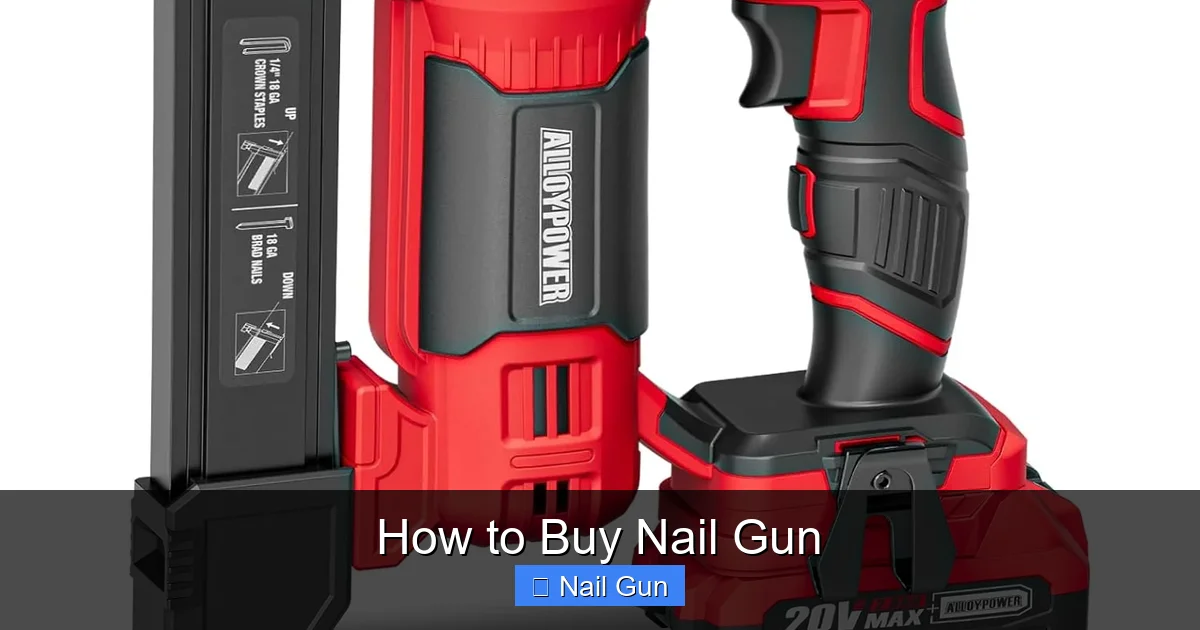
Buying a nail gun can be overwhelming, but with the right knowledge, you can make an informed choice. This guide covers everything from types and features to budget considerations, helping you select the best nail gun for your needs.
Key Takeaways
- Identify the Type: Choose between framing, finish, roofing, or pin nailers based on your project.
- Power Source Matters: Decide between pneumatic, cordless, or electric nail guns for convenience and portability.
- Gauge and Nail Size: Match the nail gauge and length to your specific task for optimal results.
- Budget and Features: Balance cost with features like tool weight, firing modes, and safety mechanisms.
- Brand and Quality: Invest in reputable brands for durability and reliable performance.
- Safety and Comfort: Prioritize models with safety features and ergonomic design for ease of use.
How to Buy a Nail Gun
Buying a nail gun might seem straightforward, but with so many options available, it can get confusing. Whether you’re a DIY enthusiast or a professional contractor, choosing the right nail gun is crucial for your project’s success. In this guide, we’ll walk you through the essential steps to find the perfect nail gun for your needs. From understanding different types to considering features and budget, this comprehensive guide will make your purchasing process easier and smarter.
1. Understand the Different Types of Nail Guns
Before you buy a nail gun, it’s important to understand the main types available. Each type is designed for specific tasks and projects.
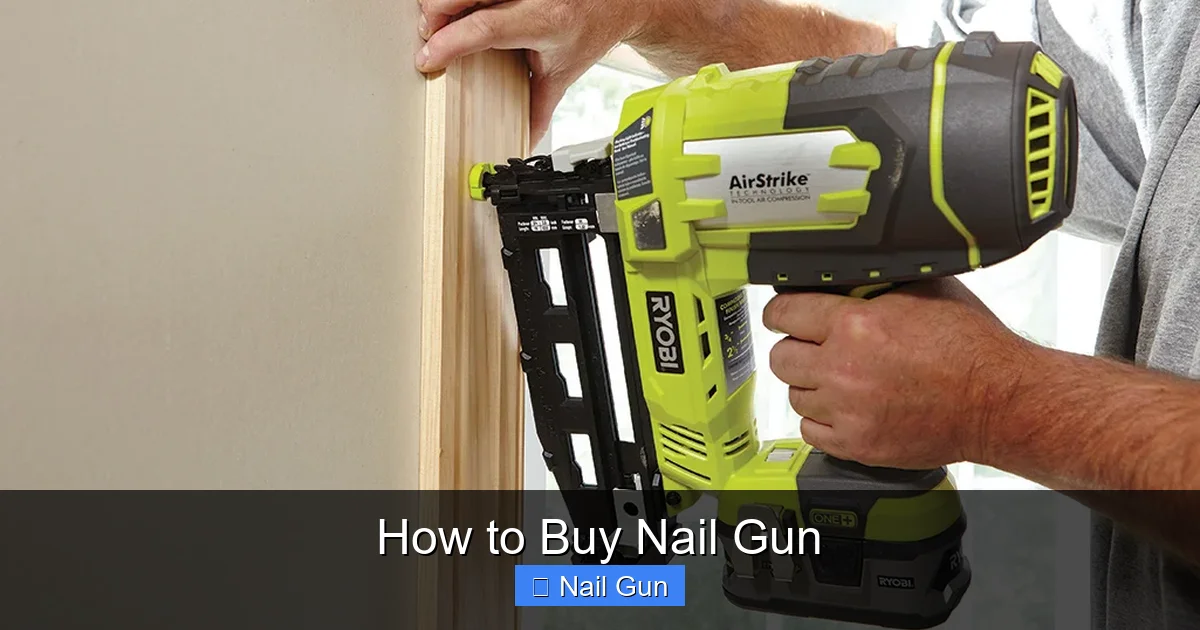
Visual guide about How to Buy Nail Gun
Image source: contentgrid.homedepot-static.com
1.1 Framing Nailers
These are heavy-duty nailers used for framing walls, decks, and large structural projects. They can handle larger nails (typically 2-3.5 inches long) and are built for power and durability.
1.2 Finish Nailers
Finish nailers are used for trim, molding, and cabinetry. They use smaller nails (usually 1-2.5 inches) and are designed for precision and a cleaner finish.
1.3 Roofing Nailers
Designed specifically for roofing projects, these nailers shoot nails that are ideal for attaching shingles and roofing materials. They’re lightweight and easy to maneuver.
1.4 Pin Nailers
Pin nailers use very thin nails (around 1 inch) and are perfect for delicate work like attaching small trim or intricate detail work. They leave minimal holes and require less filling.
2. Decide on Power Source
The power source affects portability, ease of use, and maintenance. Choose the right type based on your project scope and frequency.
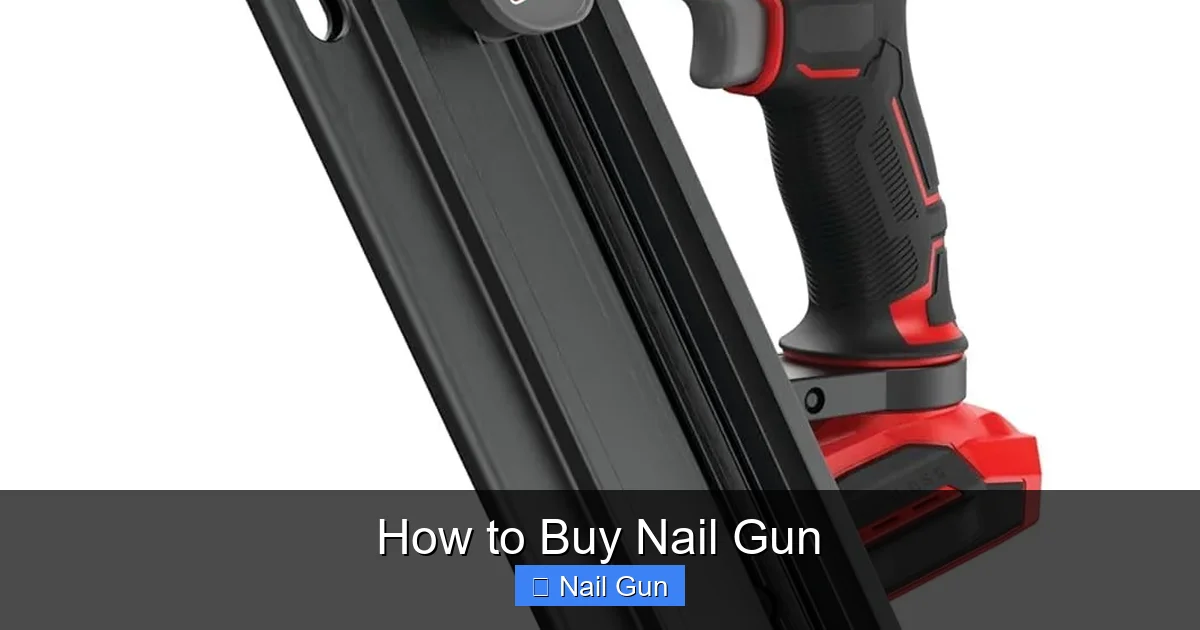
Visual guide about How to Buy Nail Gun
Image source: m.media-amazon.com
2.1 Pneumatic (Air-Powered)
Pneumatic nailers are the most common. They require an air compressor but are typically powerful, durable, and suitable for heavy-duty work.
2.2 Cordless (Battery-Powered)
Cordless nailers use lithium-ion batteries. They offer great portability and convenience, ideal for on-site work without access to an air compressor. Look for models with long battery life.
2.3 Electric (Plug-In)
Electric nailers plug into standard outlets. They’re less common but good for light to medium tasks. Ensure you have easy access to power sources.
3. Consider Nail Gauge and Size
The gauge and length of nails determine the strength and finish of your work.
3.1 Nail Gauge
Lower gauge numbers mean thicker nails. For example, 15-16 gauge nails are thicker and stronger, suitable for framing, while 18-23 gauge nails are thinner, ideal for finish work.
3.2 Nail Length
Select a nail length appropriate for your material. For example, thicker wood may require longer nails (2-3.5 inches), while trim work might need shorter nails (1-1.5 inches).
4. Set Your Budget and Desired Features
Price ranges vary based on brand, power, and features. Decide what features are essential for your project.
4.1 Basic Models
Great for occasional DIY use. They are affordable but may lack advanced features.
4.2 Mid-Range Models
Offer a good balance of performance, durability, and features like adjustable depth control, multiple firing modes, and ergonomic design.
4.3 Professional/Heavy-Duty Models
Designed for frequent use and large projects. They come with advanced safety features, high capacity, and superior durability, but are more expensive.
5. Check Brand Reputation and Reviews
Choose brands known for quality and reliability. Read customer reviews to gauge real-world performance and durability.
6. Safety and Ergonomic Features
Safety features include trigger locks, no-mar tips, and anti-dry fire mechanisms. Ergonomic designs reduce fatigue and improve control, especially for extended use.
7. Test and Purchase
If possible, test the nail gun in-store to check weight, comfort, and ease of handling. Confirm it fits your project needs and budget before purchasing.
Additional Tips for Buying a Nail Gun
- Compatibility: Ensure you get the right nails for your nail gun model.
- Maintenance: Check how easy it is to clean and maintain your nailer.
- Warranty and Support: Choose models with good warranty coverage and customer support.
Troubleshooting Common Issues
- Jamming: Regularly clean and lubricate your nailer. Use compatible nails to avoid jams.
- Insufficient Power: Check air pressure (for pneumatic models) or battery charge (for cordless models).
- Misfiring: Ensure proper calibration and that safety mechanisms are functioning correctly.
Conclusion
Choosing the right nail gun doesn’t have to be complicated. By understanding the different types, power sources, and features, you can select a model that fits your specific needs. Remember to consider your budget, project scope, and safety features to make the best choice. With the right nail gun, your projects will be faster, easier, and more professional-looking.
Happy Nailing!
Now you’re equipped with all the knowledge needed to buy the perfect nail gun. Happy building!
🎥 Related Video: Don’t Buy A Brad Nailer Until You Watch This!
📺 How I Do Things Woodworking
In this tool review video I’ll talk about the Milwaukee M18 FUEL 18 Gauge Brad Nailer (Model 2746-21CT)—but after using …
