


Have you ever wondered what happens if your cordless drill gets wet? Maybe a sudden rain caught you off guard, or a splash of water landed right where you were working.
You might be worried—can your drill survive this without breaking? Understanding how water affects your tool can save you time, money, and frustration. Keep reading to find out what you should do if your cordless drill gets wet and how to protect your investment for the long run.
Cordless Drill Basics
Cordless drills are popular tools used in many homes and workshops. They provide power without the need for a cord. This makes them easy to carry and use in different places. Understanding the basics helps in using them safely and effectively.
Knowing how they work and their common features is important. This knowledge also helps answer questions about their care, like whether they can get wet.
How Cordless Drills Work
Cordless drills run on rechargeable batteries. These batteries supply power to an electric motor inside the drill. The motor turns the drill bit to make holes or drive screws. A trigger switch controls the motor speed.
The drill has a chuck that holds different drill bits or screwdriver heads. The user can change these bits depending on the task. The battery can be removed and charged separately.
Common Uses And Features
People use cordless drills for drilling holes and driving screws. They are handy in woodworking, metalworking, and home repairs. Cordless drills often have adjustable speed settings. This allows better control over the work.
Many models include a built-in LED light for working in dark areas. Some have a clutch to control torque and prevent over-tightening. The compact design makes them easy to handle in tight spaces.

Credit: www.amazon.com
Water Exposure Risks
Water exposure can cause serious problems for cordless drills. These tools are not made to handle wet conditions. Even a little water can cause damage. Understanding the risks helps you protect your drill and avoid costly repairs.
Damage To Electrical Components
Water can short-circuit the drill’s electrical parts. This can stop the drill from working properly. Moisture can cause rust and corrosion inside the drill. Corroded parts can break or lose power over time. Water inside the drill reduces its lifespan and reliability.
Battery Safety Concerns
Batteries in cordless drills are sensitive to water. Exposure can cause the battery to leak or swell. Wet batteries may short out, leading to failure or fire risk. Water can also reduce the battery’s charge capacity. Always keep the battery dry to avoid hazards.
What Happens If It Gets Wet
Water and cordless drills do not mix well. Moisture can cause many problems for your tool. Knowing what happens if a cordless drill gets wet helps you take quick action. This can save your drill and keep it working longer.
Immediate Effects
Water can short-circuit the drill’s electrical parts right away. This may cause the drill to stop working suddenly. Sometimes, the trigger might fail to respond. The battery could also lose power fast or not charge properly. Wet parts can create sparks or strange noises. These signs mean the drill needs attention immediately.
Long-term Damage
Water inside the drill can cause rust on metal parts. Rust weakens the drill’s structure and moving parts. Corrosion can damage the motor and battery connections. Over time, the drill may become unsafe to use. The battery life will shorten, and the drill may fail completely. Preventing water damage is better than repairing it later.
Safe Usage Around Water
Using a cordless drill near water needs careful attention. Water can damage the drill and cause safety risks. Knowing how to keep the drill dry helps protect both the tool and yourself. Simple steps can make a big difference when working around water.
Follow safe habits to avoid accidents and keep your drill working well. Understanding how to prevent water contact and practice safe work habits is key.
Preventing Water Contact
Keep your drill away from pools, puddles, and wet surfaces. Use the drill on dry ground or place a waterproof barrier underneath. Avoid using the drill in rain or wet weather. Always check for dampness on your hands before holding the drill. Store the drill in a dry place after use to stop moisture build-up.
Safe Work Practices
Wear rubber gloves for extra grip and protection. Turn off the drill before adjusting bits or changing batteries. Use a ground fault circuit interrupter (GFCI) if you work near water with extension cords. Do not touch the drill if your hands are wet. Keep your work area clean and dry to avoid slips and falls.
Drying And Repair Tips
When a cordless drill gets wet, quick action can save it. Water can damage the motor and battery if left inside. Drying and repairing the drill properly helps prevent long-term problems. Understanding the right steps to dry and when to get expert help is important. This section guides you through safe drying and repair tips.
Steps To Dry A Wet Drill
First, remove the battery from the drill. This stops any electrical shorts. Wipe the outside with a dry cloth to remove water. Avoid using a hairdryer, as heat can harm the drill parts. Instead, let the drill air dry in a warm, dry place. Leave it for at least 24 hours to ensure all moisture evaporates. You can place the drill near a fan to speed up drying. Check for any remaining damp spots before using the drill again. Never plug in the drill if it still feels wet inside. This may cause permanent damage or injury.
When To Seek Professional Repair
If the drill does not work after drying, consider professional help. Signs include the drill not turning on or strange noises. Battery issues or sparks also need expert attention. Attempting to fix electrical parts without knowledge can be dangerous. A technician can open the drill safely and check internal damage. They can replace faulty parts and test the drill’s safety. Professional repair increases the chance of saving the drill. It also ensures the drill works properly and safely after damage.
Waterproof And Weather-resistant Models
Waterproof and weather-resistant cordless drills offer protection against water and dust. These models work well in damp or rainy conditions without damage. They help you finish outdoor projects safely and efficiently.
Such drills have special seals and materials that block water from entering key parts. They also resist dust, dirt, and debris that can cause wear and tear. This makes them durable and reliable for tough environments.
Features To Look For
Check for an IP rating on the drill. It shows the level of protection against water and dust. Look for at least IP54 or higher for good weather resistance.
Rubberized grips and sealed battery compartments help keep moisture out. Strong, durable casings protect internal parts from shocks and drops. Some models have vents designed to prevent water entry.
Battery type matters. Lithium-ion batteries handle moisture better than older types. Also, quick charging and long battery life improve work time outdoors.
Top Brands And Models
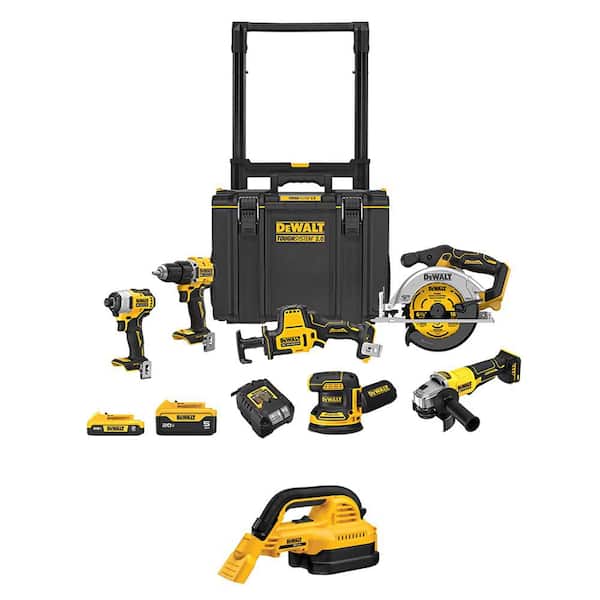
DeWalt offers several weather-resistant drills with high IP ratings. Their models often include sealed switches and rugged housings.
Milwaukee produces cordless drills designed for tough job sites. Many have water and dust resistance features built-in.
Makita also provides durable drills with weatherproof designs. Their tools balance power and protection for outdoor use.
Bosch has models with sealed electronics and sturdy cases. These drills perform well in rainy or dusty conditions.
Battery Care And Maintenance
Battery care and maintenance are key to keeping a cordless drill working well. The battery is the heart of the tool. It needs special attention to last long and perform at its best. Water or moisture can harm the battery quickly. Proper care helps avoid damage and extends battery life.
Protecting The Battery From Moisture
Keep the battery dry at all times. Water inside the battery can cause short circuits. Avoid using the drill in heavy rain or wet conditions. If the battery gets wet, wipe it with a dry cloth immediately. Let it air dry before using or charging. Use plastic covers or cases to protect the battery during work. Do not put wet batteries in chargers. Moisture can damage charger contacts and the battery itself.
Proper Storage Techniques
Store batteries in a cool, dry place. Avoid hot or humid areas. Heat can reduce battery life and cause leaks. Keep the battery away from direct sunlight. Remove the battery from the drill if not in use for a long time. Store batteries with a medium charge, about 40-60%. Full or empty batteries lose power faster during storage. Use original cases or containers to keep batteries safe. Check batteries regularly for damage or swelling before use.
Credit: www.homedepot.com
Safety Precautions
Safety is important when using a cordless drill, especially around water. Water can harm the drill and cause accidents. Taking the right safety steps keeps you safe and protects your tool. Follow these simple tips to work safely.
Using Protective Gear
Wear gloves to keep your hands dry and safe. Gloves stop slips and give a good grip. Use safety glasses to protect your eyes from dust and sparks. Closed shoes keep your feet safe from falling objects. Protective gear reduces the risk of injury while working.
Electrical Safety Tips
Keep the drill and battery dry at all times. Avoid using the drill near puddles or wet surfaces. Check the drill for cracks or damage before use. Do not touch the drill with wet hands. Always turn off and remove the battery before cleaning the drill. These steps prevent electric shocks and damage to your drill.

Credit: www.redtoolstore.com
Frequently Asked Questions
Can A Cordless Drill Survive Rain Or Water Exposure?
Most cordless drills are not waterproof and can be damaged by rain or water. Avoid using them in wet conditions to prevent motor failure and battery damage.
What Happens If A Cordless Drill Gets Wet?
Water can short-circuit the drill’s electrical components, leading to malfunction or permanent damage. It may also cause battery corrosion and reduce tool lifespan.
Are There Cordless Drills Designed To Be Water-resistant?
Some cordless drills come with water-resistant features or IP ratings. These models can handle light moisture but should not be submerged or used in heavy rain.
How To Dry A Cordless Drill After Water Exposure?
Turn off and remove the battery immediately. Wipe the drill with a dry cloth and let it air dry fully before use to avoid electrical hazards.
Conclusion
Cordless drills are not built to handle water exposure. Water can damage the motor and battery quickly. Using a wet drill can cause safety risks, like electric shocks. Always keep your drill dry and store it properly. If it gets wet, dry it immediately and check for damage.
Taking care of your drill will help it last longer. Stay safe and protect your tools from water at all times.
