


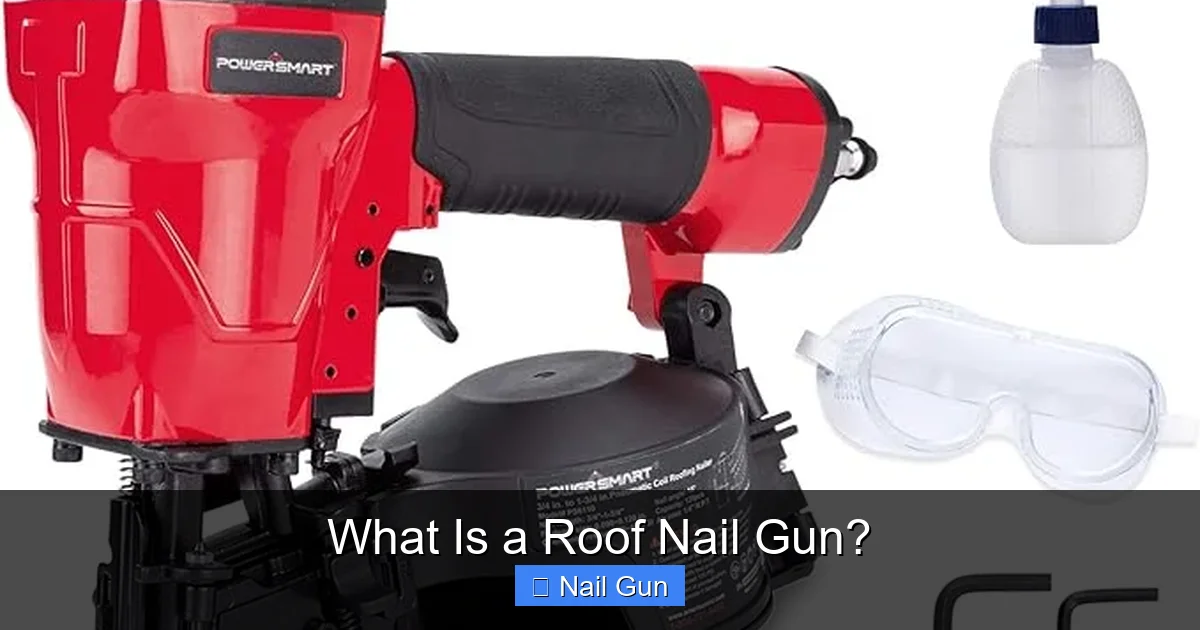
A roof nail gun is a powerful pneumatic or cordless tool designed to drive nails quickly and securely into roofing materials like shingles, underlayment, and decking. It boosts efficiency, reduces fatigue, and ensures consistent nail placement, making it a must-have for professional roofers and DIY enthusiasts alike.
Key Takeaways
- Roof nail guns are specialized tools built for speed and precision in roofing jobs, replacing manual hammering.
- They come in pneumatic, cordless, and gas-powered models, each suited for different job sizes and environments.
- Proper safety gear is essential—always wear eye protection, gloves, and hearing protection when operating a nail gun.
- Correct nail depth and spacing are critical for weather resistance and code compliance.
- Regular maintenance extends the tool’s life and prevents misfires or jams.
- Choosing the right nail type and size ensures strong, long-lasting roof installations.
- Training and practice improve accuracy and reduce the risk of injury or material damage.
What Is a Roof Nail Gun?
If you’re tackling a roofing project—whether it’s replacing shingles on your home or building a new roof from scratch—you’ve probably heard about a roof nail gun. But what exactly is it, and why do professionals swear by it?
A roof nail gun is a specialized power tool designed to drive nails into roofing materials quickly, consistently, and with minimal effort. Unlike a standard hammer, which requires repetitive swinging and precise aim, a nail gun uses compressed air, battery power, or gas to fire nails with speed and accuracy. This not only saves time but also reduces physical strain, especially on large jobs.
In this guide, you’ll learn everything you need to know about roof nail guns: how they work, the different types available, how to use them safely, and tips for getting the best results. Whether you’re a seasoned contractor or a weekend warrior, understanding this tool will make your next roofing project faster, safer, and more professional.
How Does a Roof Nail Gun Work?
At its core, a roof nail gun operates by using force to drive nails into materials. But the mechanics depend on the type of nail gun you’re using. Let’s break it down by power source.
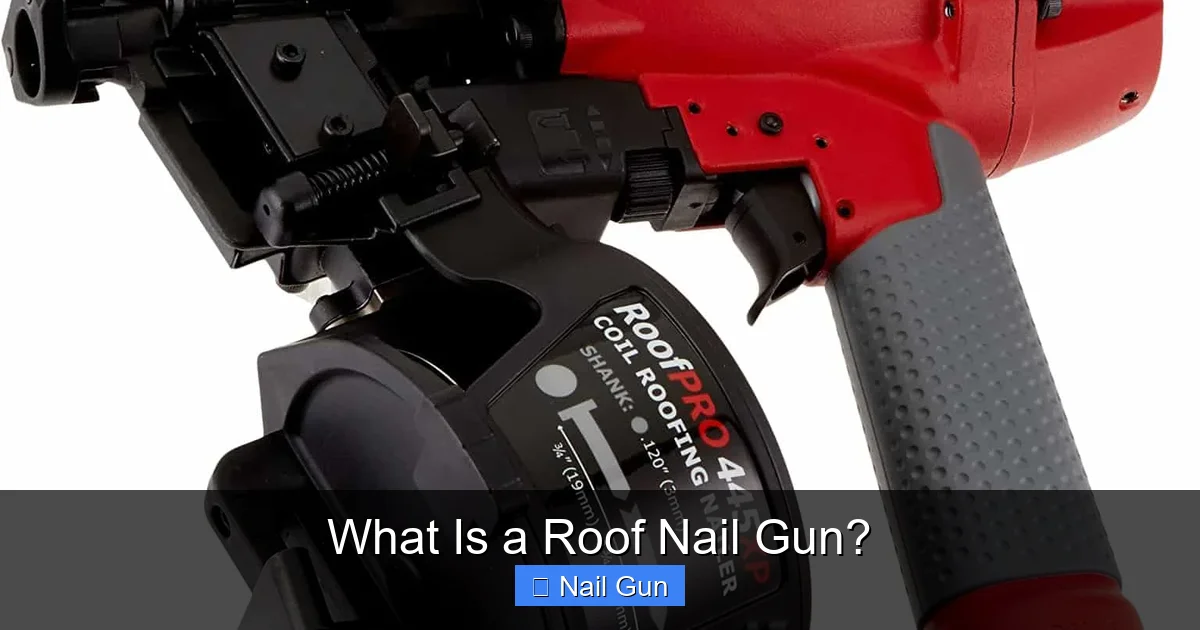
Visual guide about What Is a Roof Nail Gun?
Image source: goonproducts.com
Pneumatic Roof Nail Guns
The most common type, pneumatic nail guns, run on compressed air from an air compressor. When you pull the trigger, the compressor sends a burst of air that drives a piston, which in turn fires the nail into the surface. These tools are lightweight, powerful, and ideal for long workdays.
Cordless (Battery-Powered) Nail Guns
Cordless models use rechargeable lithium-ion batteries to generate the force needed to drive nails. They’re highly portable and don’t require an air hose, making them perfect for remote job sites or tight spaces. Modern cordless nail guns are nearly as powerful as pneumatic ones and are gaining popularity.
Gas-Powered Nail Guns
These use a small internal combustion engine fueled by butane or propane cartridges. When triggered, a spark ignites the gas, creating a burst of energy that drives the nail. Gas-powered guns are powerful and portable but tend to be heavier and require more maintenance.
Types of Roof Nail Guns
Not all roof nail guns are the same. Choosing the right one depends on your project size, materials, and work environment.
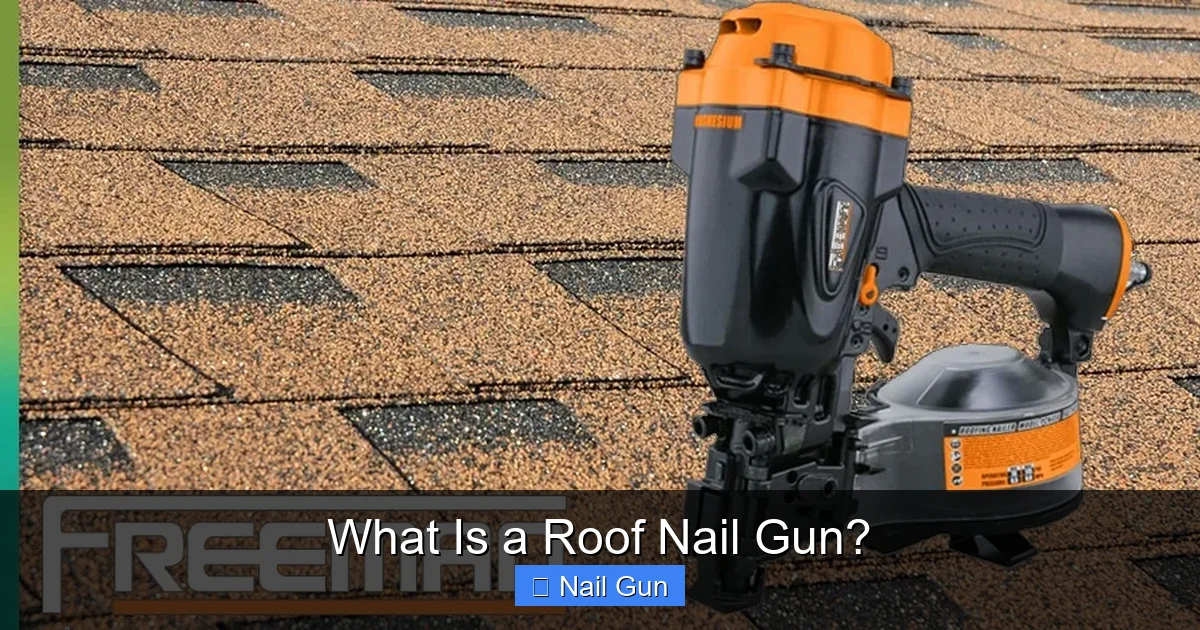
Visual guide about What Is a Roof Nail Gun?
Image source: iroofing.org
Coil-Style Nail Guns
These hold nails in a coiled magazine, allowing for hundreds of nails to be loaded at once. They’re ideal for large roofing jobs because they reduce the need for frequent reloading. Coil-style guns are commonly used for shingle installation and underlayment.
Strip-Style Nail Guns
These use strips of nails connected by wire or plastic. They hold fewer nails than coil models but are often lighter and easier to handle. Strip-style guns are great for smaller jobs or when working on steep roofs where weight matters.
Framing vs. Roofing Nail Guns
Don’t confuse a roofing nail gun with a framing nail gun. Framing guns drive large, thick nails for structural work, while roofing nail guns use smaller, galvanized nails designed specifically for shingles and roofing felt. Using the wrong tool can damage materials or create weak installations.
Choosing the Right Roof Nail Gun
With so many options on the market, picking the right roof nail gun can feel overwhelming. Here’s what to consider:
Power Source
Ask yourself: Will you have access to an air compressor? If not, a cordless model might be better. For heavy-duty work, pneumatic guns offer consistent power. Gas-powered guns are a middle ground but require fuel cartridges.
Nail Compatibility
Make sure the gun accepts the nail size and type you’ll be using. Most roofing nails are 1¼” to 2” long and made of galvanized steel to resist rust. Check the manufacturer’s specs to ensure compatibility.
Weight and Ergonomics
Roofing involves working on steep angles and in awkward positions. A lightweight, well-balanced gun reduces fatigue. Look for models with rubber grips and adjustable handles for better control.
Depth Adjustment
A good roof nail gun should have a depth adjustment feature. This allows you to control how deep the nail is driven—critical for avoiding overdriving (which can crack shingles) or underdriving (which leaves nails exposed).
How to Use a Roof Nail Gun Safely and Effectively
Using a roof nail gun isn’t just about pulling a trigger. Proper technique ensures safety, efficiency, and a professional finish.
Step 1: Wear Safety Gear
Always wear safety glasses to protect your eyes from flying debris. Use hearing protection—nail guns are loud. Gloves improve grip and protect your hands, and a hard hat is recommended on job sites.
Step 2: Inspect the Tool
Before use, check for loose parts, damaged hoses (on pneumatic models), or low battery (on cordless). Ensure the magazine is loaded correctly and the safety tip is clean.
Step 3: Set the Nail Depth
Adjust the depth setting based on your material. For shingles, nails should be flush with the surface—not too deep, not too shallow. Test on a scrap piece first.
Step 4: Position and Fire
Place the nail gun perpendicular to the surface. Press the safety tip firmly against the material before pulling the trigger. This prevents misfires and ensures accurate placement.
Step 5: Follow Proper Nailing Patterns
For shingles, nails should be placed in the designated nailing strip—usually about 1” below the cutout. Use 4 nails per shingle (2 on each side) for wind resistance. Avoid nailing too close to edges or corners.
Common Mistakes to Avoid
Even experienced users make errors. Here are some common pitfalls and how to avoid them:
Overdriving Nails
Driving nails too deep can crack shingles or weaken the hold. Use the depth adjustment and test on scrap material.
Underdriving Nails
Nails left sticking up can lift shingles and create leaks. Ensure full penetration without overdoing it.
Using the Wrong Nails
Roofing nails must be corrosion-resistant and the correct length. Using drywall or framing nails can lead to rust and failure.
Ignoring Weather Conditions
High winds or rain can affect nail placement and safety. Work during calm, dry weather when possible.
Maintenance and Troubleshooting
Keeping your roof nail gun in top shape ensures reliable performance and longevity.
Regular Cleaning
After each use, wipe down the tool and clear any debris from the magazine and exhaust ports. For pneumatic models, drain moisture from the air compressor tank daily.
Lubrication
Pneumatic nail guns need regular oiling. Add a few drops of pneumatic tool oil to the air inlet before each use. Cordless and gas models require less lubrication but should still be checked periodically.
Common Issues and Fixes
- Misfires: Check for low air pressure, dirty contacts, or incorrect nail size.
- Jams: Clear the magazine and ensure nails are loaded properly. Avoid mixing nail types.
- Weak Driving Power: Inspect air pressure (for pneumatic), battery charge (cordless), or fuel level (gas).
- Air Leaks: Tighten connections and replace worn O-rings or seals.
Tips for Professional Results
Want your roof to look like it was done by a pro? Follow these expert tips:
- Work in sections, starting from the bottom and moving upward.
- Use a chalk line to keep rows straight.
- Keep spare nails and batteries (or air compressor) on hand.
- Store the nail gun in a dry, clean place when not in use.
- Take breaks to avoid fatigue—roofing is physically demanding.
Conclusion
A roof nail gun is more than just a convenience—it’s a game-changer for anyone working on a roof. By delivering speed, precision, and consistency, it transforms a tedious, labor-intensive task into an efficient, professional-grade job. Whether you’re repairing a few shingles or re-roofing an entire house, the right nail gun can save you time, reduce strain, and improve the quality of your work.
Remember, safety comes first. Always wear protective gear, follow proper techniques, and maintain your tool regularly. With the knowledge from this guide, you’re ready to choose, use, and care for a roof nail gun like a pro. So grab your tool, gear up, and get ready to nail your next roofing project—literally!
