

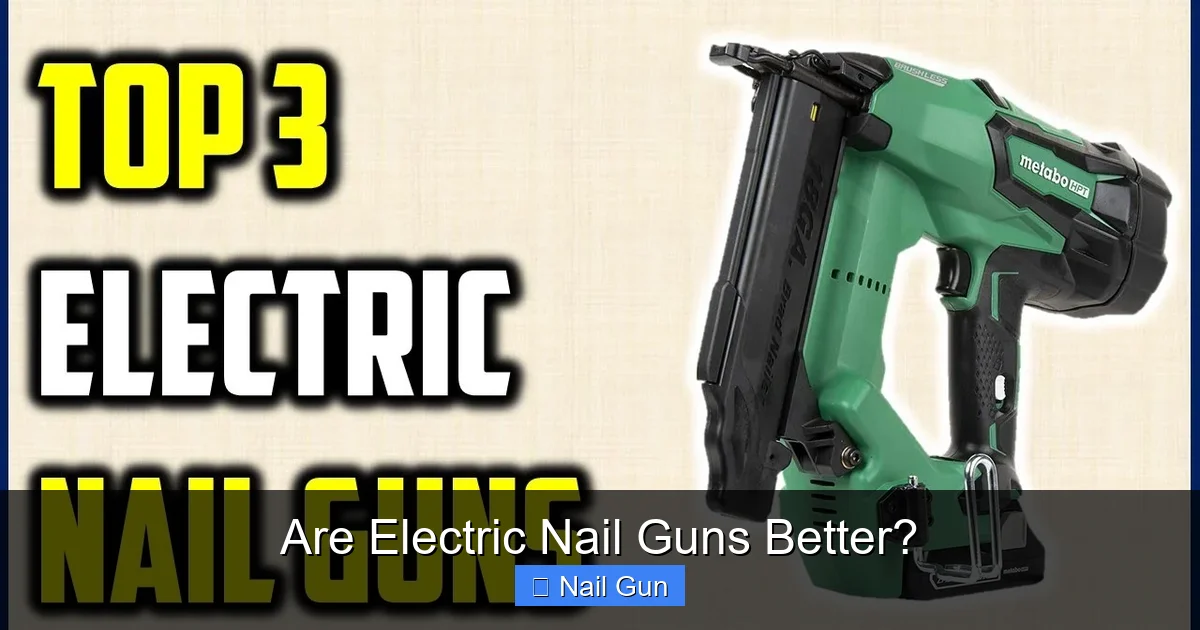
Electric nail guns offer convenience, portability, and consistent performance without the need for compressors or gas cartridges. This guide breaks down their pros and cons compared to pneumatic and cordless nailers, helping you choose the right tool for your DIY or professional needs.
Key Takeaways
- Electric nail guns are ideal for light to medium-duty tasks like trim work, cabinetry, and upholstery, offering reliable performance without hoses or batteries.
- They are more affordable upfront than cordless models and don’t require expensive fuel cells or compressors.
- No compressor needed—electric nailers plug into a standard outlet, reducing setup time and clutter.
- Less powerful than pneumatic or cordless nailers, making them less suitable for heavy-duty framing or dense materials.
- Quieter and lighter than many alternatives, improving comfort during extended use.
- Require access to electricity, limiting mobility on remote job sites.
- Great for indoor projects where noise and fumes are concerns, unlike gas-powered tools.
Are Electric Nail Guns Better? A Complete How-To Guide
If you’re tackling a home improvement project, building furniture, or working on trim and molding, you’ve probably asked yourself: *Are electric nail guns better?* With so many options on the market—pneumatic, cordless, and electric—it’s easy to feel overwhelmed. This guide will walk you through everything you need to know about electric nail guns, including how they work, when to use them, and how they stack up against the competition.
By the end of this guide, you’ll understand the strengths and limitations of electric nail guns, learn how to choose the right one for your needs, and discover practical tips to get the most out of your tool. Whether you’re a weekend DIYer or a seasoned contractor, this guide will help you make an informed decision.
What Is an Electric Nail Gun?
Visual guide about Are Electric Nail Guns Better?
Image source: images-na.ssl-images-amazon.com
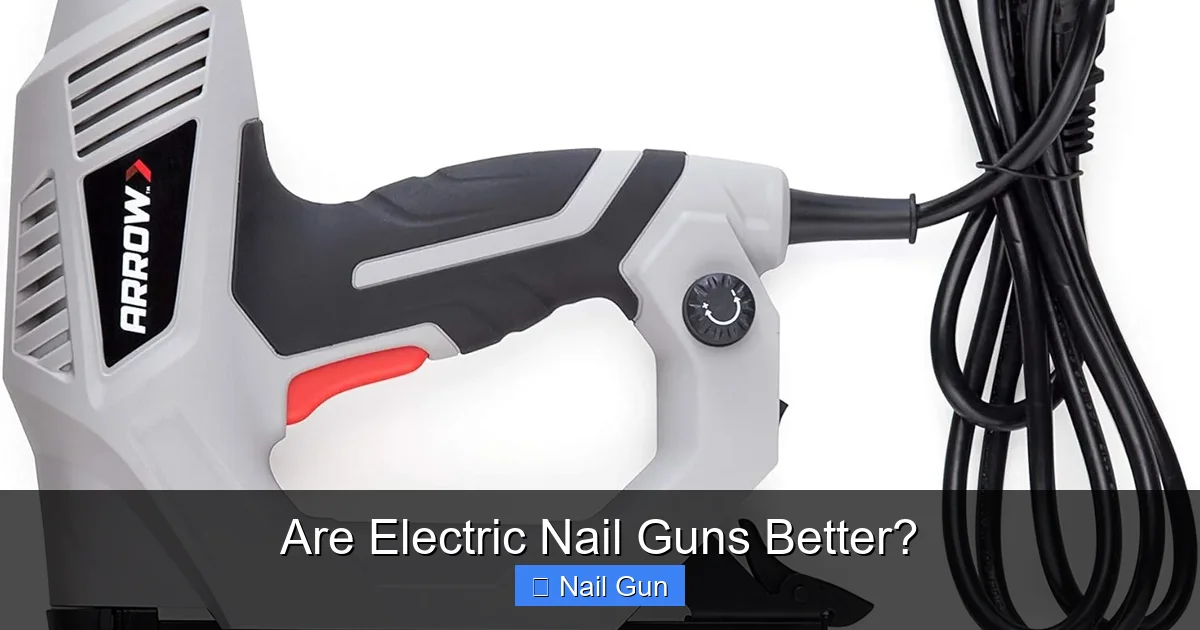
An electric nail gun is a power tool that drives nails into wood, drywall, or other materials using an electric motor. Unlike pneumatic nailers that rely on compressed air or cordless models powered by rechargeable batteries or gas cartridges, electric nail guns plug directly into a standard electrical outlet.
These tools are commonly used for finish work, such as installing baseboards, crown molding, crown molding, and cabinet assembly. They’re also popular in upholstery and crafting projects where precision and control are key.
How Electric Nail Guns Work
Visual guide about Are Electric Nail Guns Better?
Image source: reviewsmag.co.uk
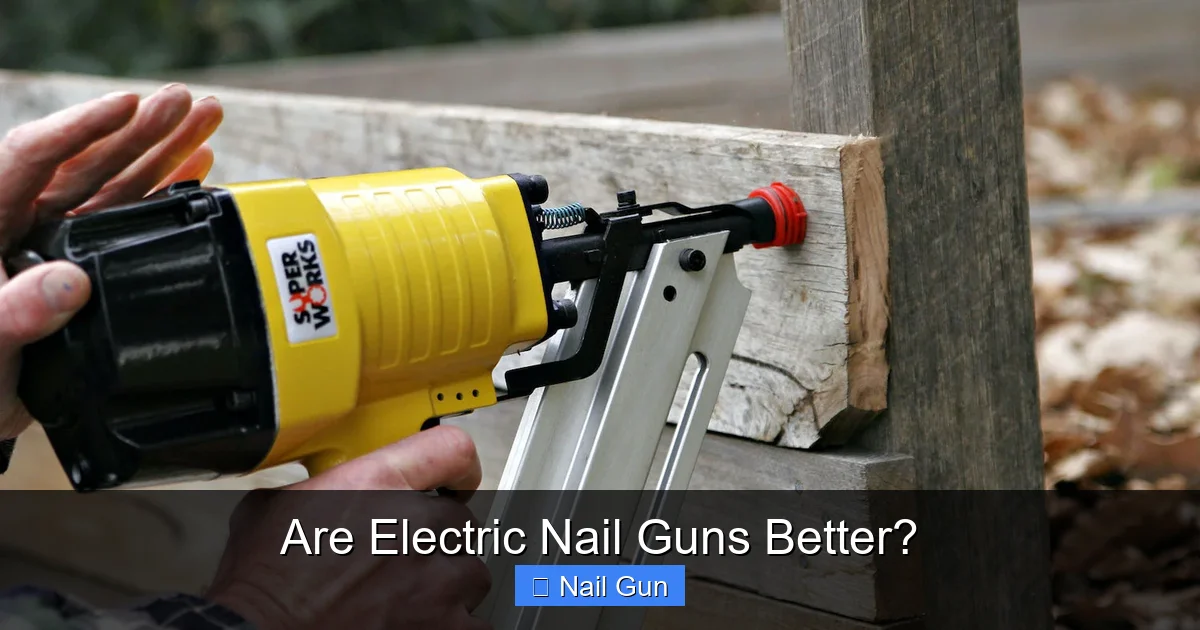
Electric nail guns use a motor to generate the force needed to drive nails. When you pull the trigger, the motor activates a mechanism—usually a flywheel or solenoid—that strikes the nail and drives it into the material. Most models feature a depth adjustment dial, allowing you to control how deeply the nail is set.
Key Components
- Motor: Powers the driving mechanism.
- Trigger and Safety Tip: Ensures nails fire only when pressed against a surface.
- Nail Magazine: Holds a strip of nails (typically 18-gauge brad nails or 16-gauge finish nails).
- Depth Adjustment: Lets you customize nail depth for different materials.
- Power Cord: Connects the tool to an electrical outlet.
Because they don’t require a compressor or battery, electric nail guns are simple to operate—just plug them in and go.
Pros and Cons of Electric Nail Guns
To answer the question “Are electric nail guns better?” we need to weigh the advantages and disadvantages.
Advantages
- No Compressor Needed: Unlike pneumatic nailers, electric models don’t require a bulky air compressor or air hose. This saves space and reduces setup time.
- Lower Upfront Cost: Electric nail guns are generally more affordable than cordless or pneumatic models. You can find quality models for under $100.
- Lightweight and Quiet: These tools are easier to handle and produce less noise, making them ideal for indoor use.
- Consistent Power: As long as you’re near an outlet, you’ll have steady power without worrying about battery life or air pressure drops.
- Eco-Friendly: No fuel cells or batteries mean fewer chemicals and less waste.
Disadvantages
- Requires Electrical Outlet: You’re tethered to a power source, which limits mobility on job sites without easy access to electricity.
- Less Power: Electric nail guns are not as powerful as pneumatic or cordless models, so they’re not ideal for heavy-duty tasks like framing or decking.
- Not Suitable for Outdoor Use: Rain, moisture, and lack of outlets make electric nailers impractical for many outdoor projects.
- Fewer Nail Options: Most electric nailers only accept 18-gauge brad nails or 16-gauge finish nails, limiting versatility.
Electric vs. Pneumatic vs. Cordless Nail Guns
To truly understand if electric nail guns are better, let’s compare them to the two main alternatives.
Electric vs. Pneumatic
Pneumatic nail guns are powered by compressed air from a separate air compressor. They’re known for their high power and speed, making them the go-to choice for professional contractors.
- Power: Pneumatic > Electric
- Portability: Electric > Pneumatic (no compressor needed)
- Cost: Electric is cheaper upfront; pneumatic requires compressor investment
- Maintenance: Pneumatic tools need regular air filter and hose checks
If you’re doing heavy framing or roofing, a pneumatic nailer is better. But for indoor trim work, an electric model offers a cleaner, quieter solution.
Electric vs. Cordless
Cordless nail guns use rechargeable lithium-ion batteries or gas cartridges. They offer excellent portability and power, especially for jobs far from outlets.
- Power: Cordless > Electric
- Portability: Cordless > Electric (no cords or compressors)
- Cost: Cordless models are significantly more expensive
- Runtime: Electric has unlimited runtime; cordless depends on battery life
Cordless nail guns are great for contractors on the go, but electric models win on cost and reliability for home use.
When to Use an Electric Nail Gun
Electric nail guns shine in specific scenarios. Here’s when they’re the best choice:
Indoor Trim and Finish Work
Installing baseboards, crown molding, or door casings? An electric nail gun is perfect. It’s quiet, precise, and won’t leave oil stains like some pneumatic tools.
Cabinet and Furniture Assembly
When building cabinets or assembling furniture, you need clean, controlled nail placement. Electric nailers offer excellent accuracy without the bulk of a compressor.
Upholstery and Craft Projects
These tools are gentle enough for fabric and delicate materials, making them ideal for reupholstering chairs or crafting decorative items.
DIY and Home Renovation
If you’re a homeowner tackling weekend projects, an electric nail gun is a smart, budget-friendly investment.
How to Choose the Right Electric Nail Gun
Not all electric nail guns are created equal. Follow these steps to pick the best one for your needs.
Step 1: Determine Your Project Type
Ask yourself: What will I be nailing?
– For trim and molding, choose a 16-gauge finish nailer.
– For delicate work like picture frames, go with an 18-gauge brad nailer.
– Avoid electric nailers for framing or decking—they lack the power.
Step 2: Check Nail Compatibility
Make sure the nail gun accepts the nail size and type you’ll be using. Most electric models use 18- or 16-gauge nails, ranging from 5/8″ to 2″ in length.
Step 3: Look for Key Features
- Depth Adjustment: Lets you control how deep nails are driven.
- Jam Clearing: Quick-release mechanisms make maintenance easier.
- No-Mar Tip: Protects surfaces from scratches.
- LED Light: Helps illuminate dark work areas.
Step 4: Consider Weight and Ergonomics
A lighter tool reduces fatigue during long projects. Look for a comfortable grip and balanced design.
Step 5: Read Reviews and Compare Brands
Popular brands like DEWALT, BOSTITCH, and WEN offer reliable electric nail guns. Check customer reviews for real-world performance insights.
Tips for Using an Electric Nail Gun Safely and Effectively
Even simple tools require proper handling. Follow these tips to get the best results.
Always Wear Safety Gear
Protect your eyes with safety glasses and wear ear protection if working in a noisy environment.
Keep the Cord Clear
Avoid tripping hazards by keeping the power cord away from your work area. Use cord management clips if needed.
Test on Scrap Material
Before nailing into your project, test the depth and power on a scrap piece of wood.
Clear Jams Promptly
If a nail gets stuck, unplug the tool and use the jam-release mechanism. Never force it.
Store Properly
Keep your nail gun in a dry, clean place. Remove nails when not in use to prevent corrosion.
Troubleshooting Common Issues
Even the best tools can have problems. Here’s how to fix common electric nail gun issues.
Nails Not Firing
- Check the power connection—make sure it’s plugged in.
- Ensure the safety tip is pressed firmly against the surface.
- Verify the nail magazine is loaded correctly.
Nails Are Jammed
- Unplug the tool immediately.
- Open the magazine and remove the jammed nail using pliers.
- Check for bent nails or debris in the mechanism.
Nails Are Too Deep or Too Shallow
- Adjust the depth setting using the dial.
- Test on scrap wood and fine-tune as needed.
Tool Overheats
- Give the motor a break—electric nail guns can overheat with continuous use.
- Ensure proper ventilation around the tool.
Conclusion: Are Electric Nail Guns Better?
So, are electric nail guns better? The answer depends on your needs.
If you’re a DIYer or professional working indoors on trim, cabinets, or upholstery, an electric nail gun is a fantastic choice. It’s affordable, easy to use, and delivers consistent results without the hassle of compressors or batteries.
However, if you need maximum power for framing, roofing, or outdoor projects, a pneumatic or cordless nail gun will serve you better.
Ultimately, electric nail guns are not “better” in every situation—but they are better for specific tasks. By understanding their strengths and limitations, you can choose the right tool for the job and work smarter, not harder.
Invest in a quality electric nail gun, follow safety practices, and you’ll enjoy clean, professional results on every project.
