


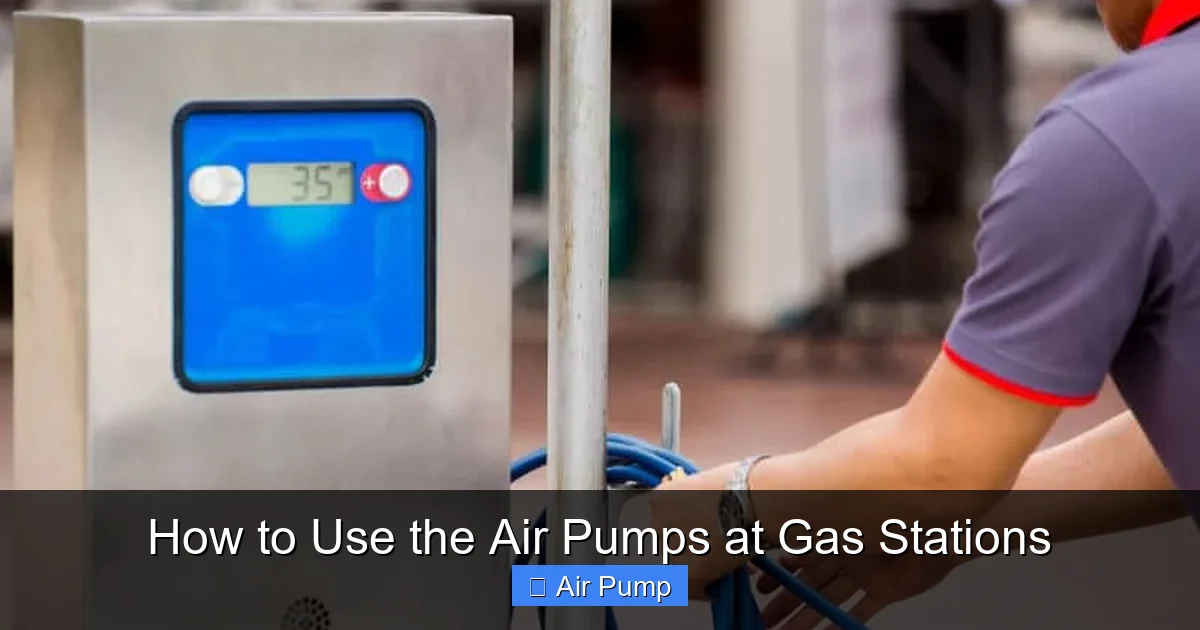
Using the air pumps at gas stations is simple once you know the steps. This guide walks you through everything from prepping your tire to finishing the process. Whether you’re a first-timer or need a refresher, you’ll be able to inflate your tires quickly and safely.
Key Takeaways
- Understand the station’s air pump system: Familiarize yourself with the equipment before starting.
- Check your tire pressure: Use a tire pressure gauge to determine the correct PSI for your tires.
- Prepare your vehicle: Park close to the pump, turn off the engine, and ensure your tires are cool.
- Connect the air hose properly: Attach the nozzle securely to avoid air leaks.
- Monitor and adjust pressure: Use the gauge to fill your tires to the recommended PSI.
- Finish safely: Detach the nozzle carefully, store the hose, and check your tire pressure again.
- Troubleshoot common issues: Learn what to do if the pump isn’t working or if there’s air leakage.
Introduction
Having properly inflated tires is essential for safety, fuel efficiency, and tire longevity. Gas station air pumps are convenient tools to keep your tires in top shape. But if you’re new to using them, it might seem intimidating. Don’t worry! This guide will teach you how to use the air pumps at gas stations easily and confidently. You’ll learn each step, get practical tips, and troubleshoot common issues. By the end, you’ll be able to inflate your tires quickly and safely, saving you time and money.
1. Prepare Before Using the Air Pump
Check Your Tire Pressure
Before you start, find out the recommended PSI (pounds per square inch) for your tires. You can usually find this info in your vehicle’s owner’s manual or on a sticker inside the driver’s door frame. Use a portable tire pressure gauge to check your current tire pressure. This way, you’ll know how much air you need to add.
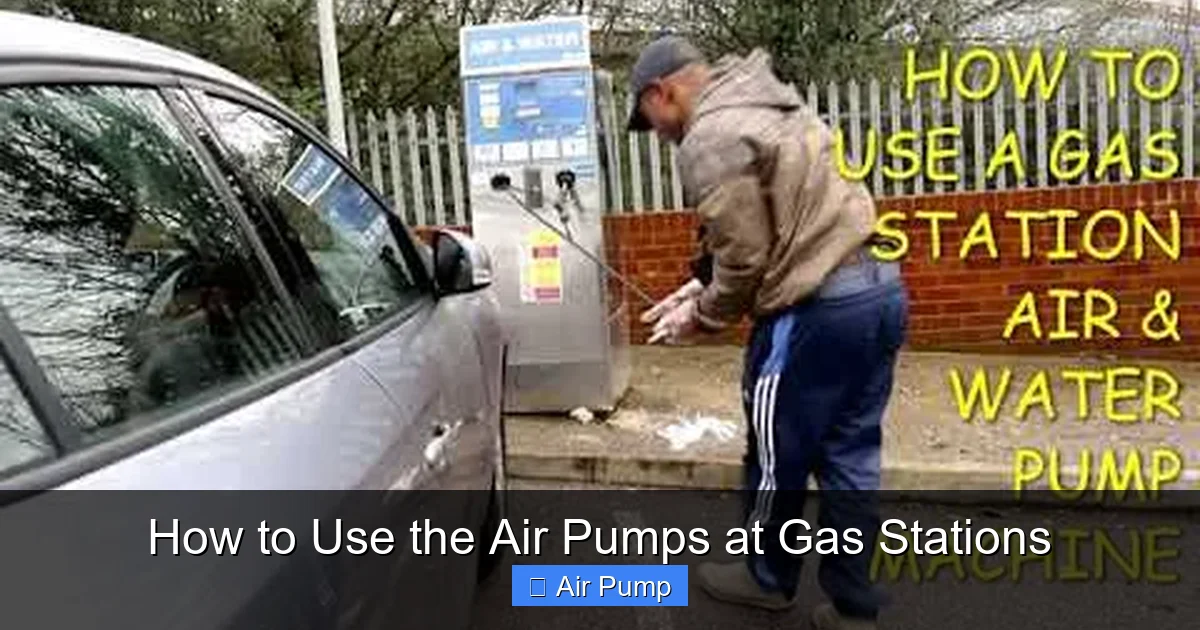
Visual guide about How to Use the Air Pumps at Gas Stations
Image source: i.ytimg.com
Park Near the Air Pump
Choose a spot close to the air pump. Make sure your vehicle is centered so you can easily reach all four tires. Turn off your engine and engage the parking brake for safety.
Ensure Tires Are Cool
If you’ve been driving for a while, wait a few minutes for your tires to cool down. Warm tires can give false readings on the pressure gauge, leading you to overinflate.
2. Using the Air Pump Step-by-Step
Step 1: Read the Instructions
Many gas station air pumps have instructions posted on or near the machine. Read them carefully to understand how to operate the specific model. Some pumps are coin-operated, while others accept card payments.
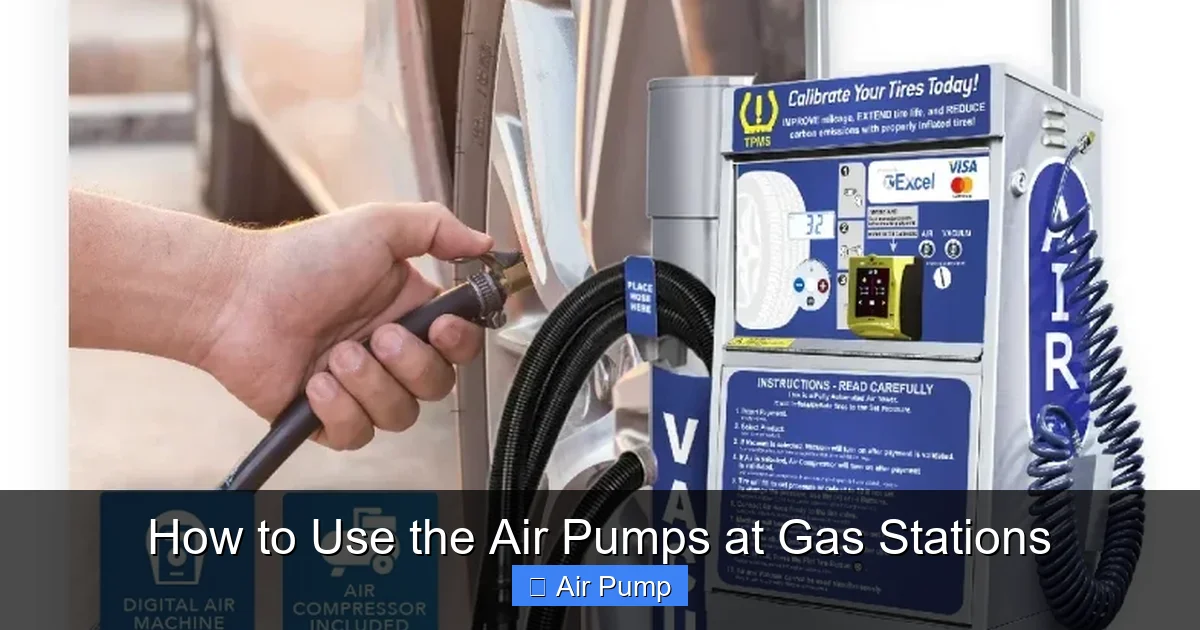
Visual guide about How to Use the Air Pumps at Gas Stations
Image source: mapleentertainment.com
Step 2: Prepare the Payment Method
If the pump requires a coin or card, make sure you have the correct change or card ready. Insert coins or swipe your card as instructed. Some stations now have contactless payment options for quick access.
Step 3: Attach the Air Hose
Locate the air hose and nozzle. Remove the nozzle cap if present. Place the nozzle onto the valve stem of your tire, pressing firmly to ensure a tight seal. You may hear a click or feel the nozzle engage.
Step 4: Secure the Connection
Hold the nozzle in place or lock it using any lever or clip available on the nozzle. This prevents air from escaping while inflating.
Step 5: Inflate Your Tire
Press the ‘Start’ button or activate the pump according to the instructions. Watch the pressure gauge closely. Add air gradually, stopping periodically to check the PSI. Avoid overinflating.
Step 6: Check Tire Pressure Frequently
Use your portable tire gauge or the pump’s built-in gauge (if available) to monitor the pressure. Inflate until you reach the recommended PSI. Remember, overinflating can be dangerous, so be precise.
Step 7: Detach the Nozzle Carefully
Once you reach the desired pressure, release the nozzle from the valve stem slowly to minimize air loss. Some pumps have a quick-release mechanism; use it if available.
3. Practical Tips for a Smooth Experience
- Bring your own tire pressure gauge: It’s more accurate and quick than relying solely on the pump’s gauge.
- Inflate in small steps: Add air gradually. It’s easier to avoid overinflation.
- Check all tires: Don’t forget the spare tire. Properly inflated tires improve safety and fuel efficiency.
- Use protective gear: Wear gloves or use a paper towel to grip the nozzle, especially if the pump is cold or dirty.
- Be respectful of others: Limit your use time if others are waiting. Share the equipment courteously.
4. Troubleshooting Common Issues
Pump Not Turning On
If the pump doesn’t start after payment, check if it’s plugged in or if there’s a power outage. Try another pump nearby or return later.
Air Leak at the Nozzle
If air escapes when you attach the nozzle, ensure it’s properly sealed on the valve stem. Reattach firmly. If the nozzle is damaged, try a different pump or nozzle.
Inaccurate Pressure Readings
If the gauge shows inconsistent readings, use your own tire pressure gauge for verification. Replace the gauge if it’s faulty.
Overinflation or Underinflation
Always check your tire pressure with a reliable gauge. Inflate or deflate as needed to reach the recommended PSI.
5. Finishing Up
After inflating all tires to the correct pressure, detach the nozzles carefully. Double-check the pressure with your gauge. Wipe off any dirt or air from the valve stems. Return the hose to its holder and store any used equipment properly.
6. Final Tips and Safety Advice
- Regularly check your tire pressure: Do this at least once a month and before long trips.
- Use the right pressure: Under or overinflated tires can lead to poor handling and increased wear.
- Stay safe: If you notice any damage to the tire or valve, consult a professional.
Conclusion
Now you know exactly how to use the air pumps at gas stations. With a little practice, it becomes a quick and easy task. Properly inflated tires keep you safe, save fuel, and extend tire life. Remember to check your pressure regularly and follow safety tips. Next time you see a gas station air pump, you’ll be ready to use it confidently and efficiently.
