

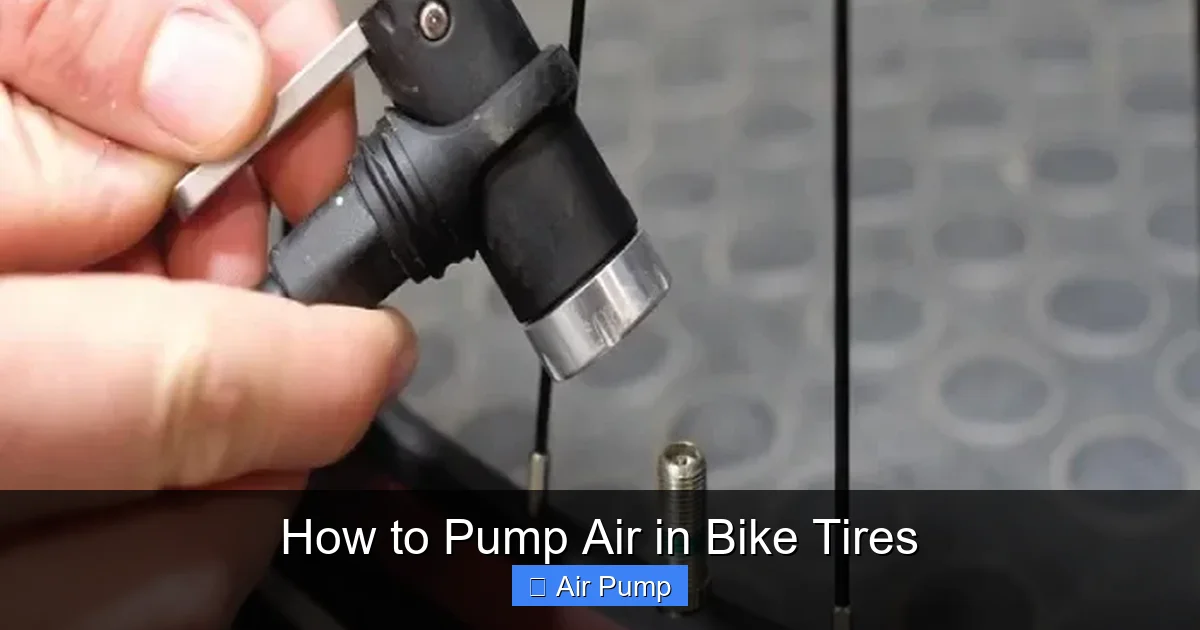
Keeping your bike tires properly inflated is essential for a safe and comfortable ride. In this guide, you’ll learn how to pump air in bike tires efficiently, using the right tools and techniques. Whether you’re a beginner or need a quick refresher, this step-by-step process will help you maintain optimal tire pressure with ease.
How to Pump Air in Bike Tires
Properly inflating your bike tires is key to a safe and smooth ride. Whether you’re preparing for a long trip or just doing routine maintenance, knowing how to pump air in bike tires correctly is essential. This comprehensive guide will walk you through every step, from selecting the right tools to troubleshooting common issues. By the end, you’ll be confident in maintaining optimal tire pressure for your biking adventures.
Key Takeaways
- Use the correct pump: Choose between a floor pump, hand pump, or CO2 inflator based on your needs.
- Check tire pressure: Always know the recommended PSI for your bike tires before pumping.
- Attach the pump securely: Ensure the pump nozzle fits tightly to prevent air leaks.
- Pump gradually: Add air in small bursts, checking pressure regularly to avoid over-inflation.
- Maintain your pump: Keep your pump clean and in good condition for optimal performance.
- Troubleshoot common issues: Learn how to fix leaks and handle improper nozzle fits efficiently.
Understanding Your Bike Tires and Recommended Pressure
Before you start pumping, it’s crucial to know the correct PSI (pounds per square inch) for your bike tires. This information is usually printed on the sidewall of the tire. Riding with under-inflated or over-inflated tires can cause poor handling, increased risk of flats, or damage to the tires and rims.
Different bikes and riding styles require different pressures:
- Road bikes: Usually 80-130 PSI
- Mountain bikes: Generally 30-50 PSI
- Hybrid bikes: Between 50-70 PSI
Always check your tire sidewall for the manufacturer’s recommended PSI and adjust accordingly based on your weight and riding conditions.
Tools Needed to Pump Bike Tires
Having the right tools makes the process easier and more effective. Here are the essential tools:
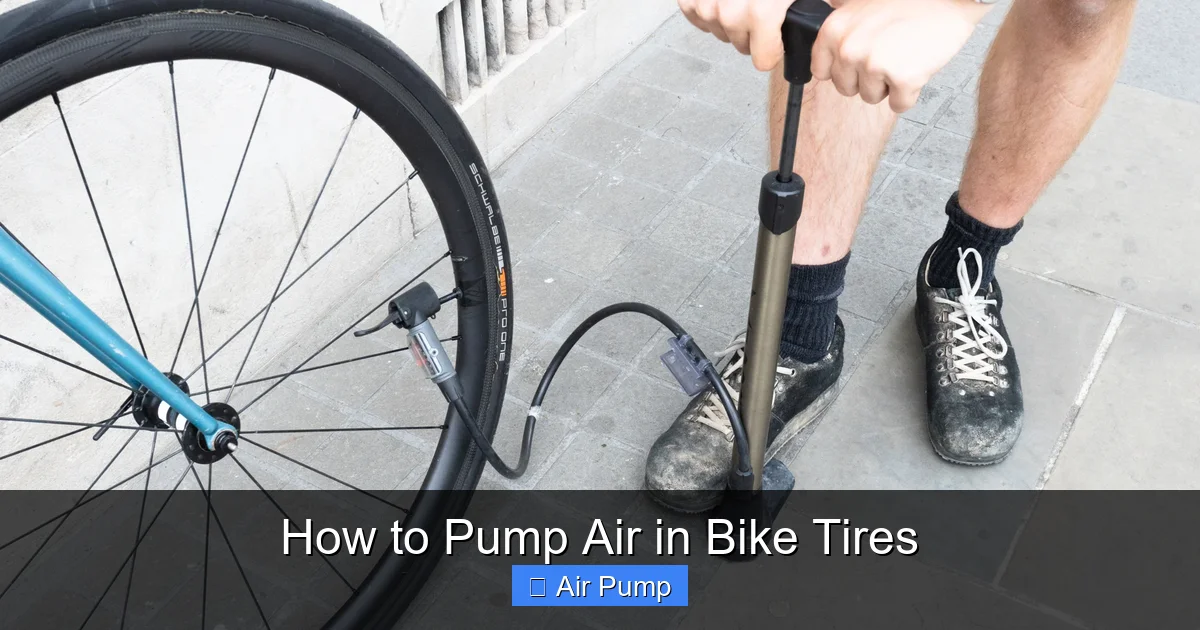
Visual guide about How to Pump Air in Bike Tires
Image source: tireinflators.net
- Bike pump: Floor pumps are ideal for quick and easy inflation, but hand pumps work well for portability.
- Valve adapters or connectors: Necessary if your pump’s nozzle doesn’t match your valve type.
- Pressure gauge: Some pumps have built-in gauges; if not, use a separate gauge for accuracy.
- Lubricant or soapy water: For fixing leaks or checking for punctures.
Identifying Your Bike’s Valve Type
There are mainly two types of valves:
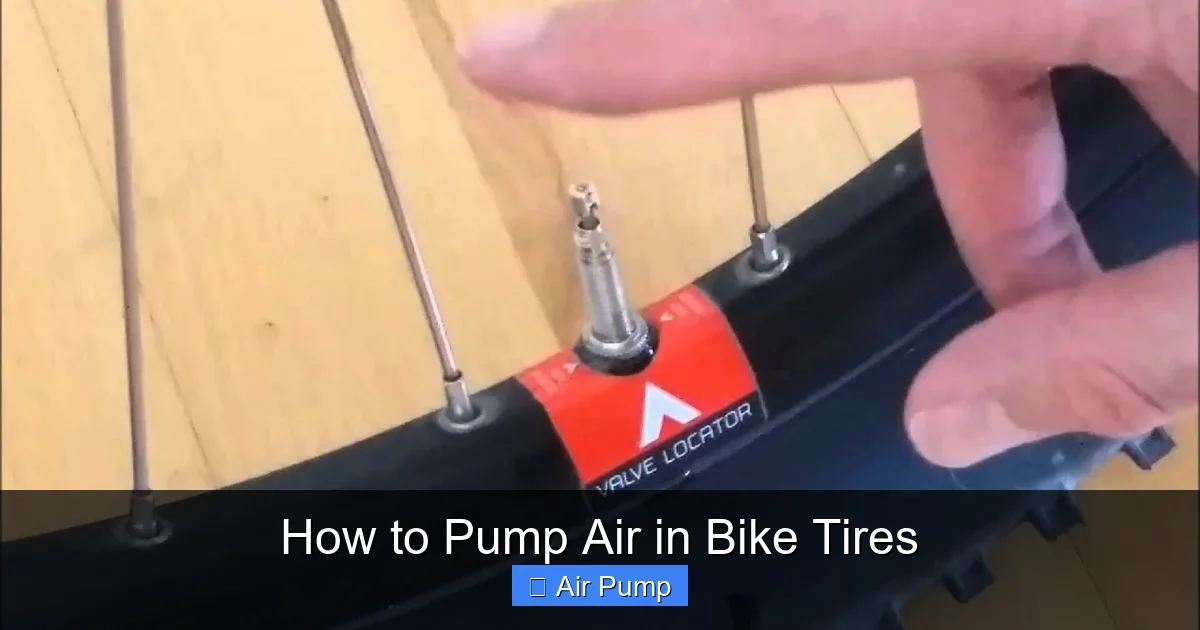
Visual guide about How to Pump Air in Bike Tires
Image source: i.ytimg.com
Presta Valve (French valve)
Thin, high-pressure valve often found on road bikes. It has a small lock nut at the top that needs to be unscrewed before inflating.
Schrader Valve (Car valve)
Wider and similar to car tire valves. Easier to inflate with standard pumps, commonly found on mountain and hybrid bikes.
Determine your valve type before purchasing a pump or adapter to ensure compatibility.
Step-by-Step Guide to Pump Air in Bike Tires
Step 1: Prepare Your Bike and Tools
Place your bike on a stable surface, preferably upside down or on a bike stand. Gather your pump, pressure gauge, and any necessary adapters. Ensure your pump is in good working condition.
Step 2: Remove the Valve Cap
Unscrew the cap from your valve and set it aside. Keep it in a safe place so you don’t lose it.
Step 3: Attach the Pump Nozzle
- For Presta valves: Unscrew the small lock nut at the top of the valve. Place the pump nozzle onto the valve, ensuring it fits snugly. Some pumps have a lever to lock the nozzle in place.
- For Schrader valves: Simply press the pump nozzle onto the valve. Many pumps have a built-in mechanism to secure the connection.
Make sure the connection is tight and secure to prevent air leaks.
Step 4: Pump Air Gradually
Begin pumping air in small, controlled bursts. Watch your pressure gauge closely. Check the current PSI regularly to prevent over-inflation.
Step 5: Check Tire Pressure
Use your pressure gauge to monitor the PSI. Inflate until you reach the recommended pressure printed on the tire sidewall.
Remember, it’s better to under-inflate slightly and adjust later than to over-inflate initially.
Step 6: Detach the Pump and Replace Valve Cap
Carefully remove the pump nozzle from the valve. Screw the valve cap back onto the valve to protect it from dirt and debris.
Step 7: Repeat for All Tires
Repeat the process for the other tire. Always check both tires’ pressure before riding.
Practical Tips for Effective Pumping
- Use a floor pump: They are easier to use and provide better control over pressure.
- Check pressure regularly: Especially during long rides, to maintain optimal performance.
- Avoid over-inflating: Over-inflation can make your ride harsh and increase the risk of blowouts.
- Inflate in a clean environment: Dirt and debris can damage valves or pump nozzles.
- Store your pump properly: Keep it in a dry, accessible place so it’s ready when needed.
Troubleshooting Common Pumping Issues
Air Leakage at the Valve
If you notice air escaping from the valve after disconnecting your pump, the valve might be damaged or improperly sealed. To fix this, tighten the valve’s lock nut or replace the valve if necessary.
Pump Not Attaching Securely
If your pump isn’t fitting tightly, check if you have the correct adapter or nozzle for your valve type. Some pumps come with multiple nozzle options.
Insufficient Air Pressure
If you can’t reach the desired PSI, your pump may have a leak or be faulty. Try using a different pump or check for leaks in your valve or pump nozzle.
Conclusion
Mastering how to pump air in bike tires is an essential skill for every cyclist. With the right tools, proper technique, and regular checks, you can ensure your tires are always at the perfect pressure. This not only improves your riding experience but also extends the life of your tires and prevents flats. Regular maintenance and a bit of practice will make inflating tires quick and hassle-free. Happy riding!
