


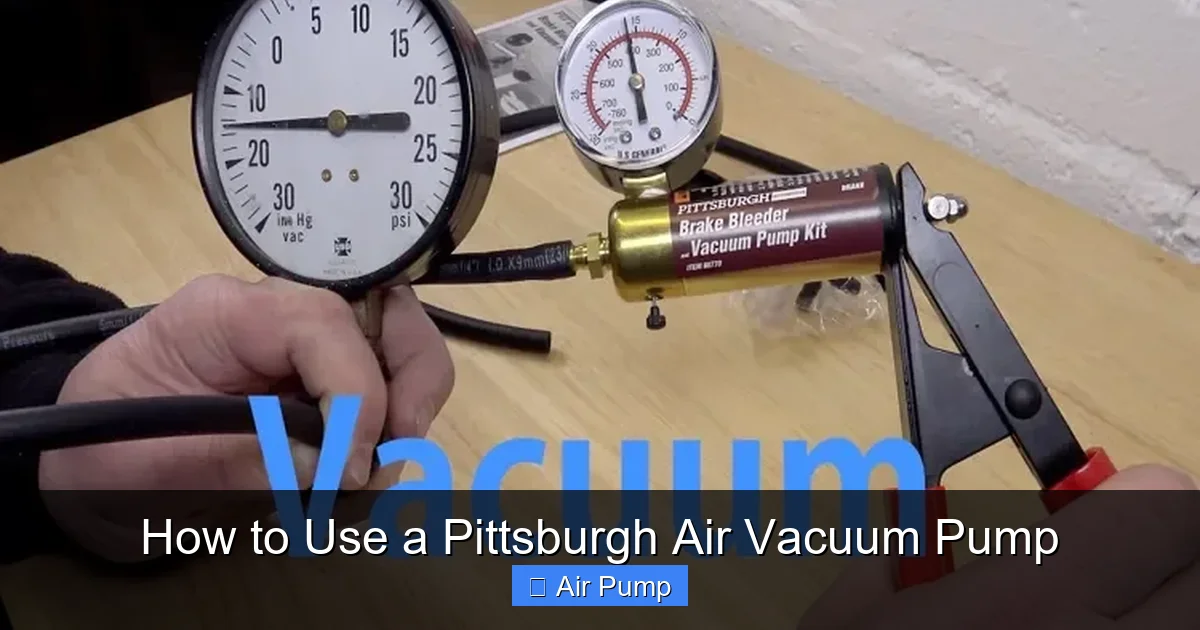
In this guide, you’ll discover how to use a Pittsburgh air vacuum pump safely and efficiently. From setup to maintenance, we provide clear instructions and practical tips to help you get the best results with your vacuum pump.
Key Takeaways
- Understanding the pump: Know the parts and functions of a Pittsburgh air vacuum pump before use.
- Proper setup: Ensure correct connections and safety precautions are in place before operation.
- Effective operation: Follow step-by-step instructions to achieve optimal vacuum levels.
- Maintenance tips: Regular checks and cleaning extend your pump’s lifespan.
- Troubleshooting: Common issues and solutions help you fix problems quickly.
- Safety precautions: Always wear protective gear and operate in a well-ventilated area.
Introduction
If you’re new to using a Pittsburgh air vacuum pump, don’t worry. This versatile tool is great for tasks like evacuating air from containers, testing systems, or creating a vacuum for various projects. In this guide, we’ll walk you through the entire process — from setup to operation, maintenance, and troubleshooting. By the end, you’ll be comfortable using your Pittsburgh air vacuum pump confidently and safely.
What is a Pittsburgh Air Vacuum Pump?
A Pittsburgh air vacuum pump is a device that uses compressed air to create a vacuum. It’s popular among hobbyists and professionals for its portability and ease of use. These pumps are often used in HVAC, automotive, and laboratory settings to remove air and moisture from systems or containers.
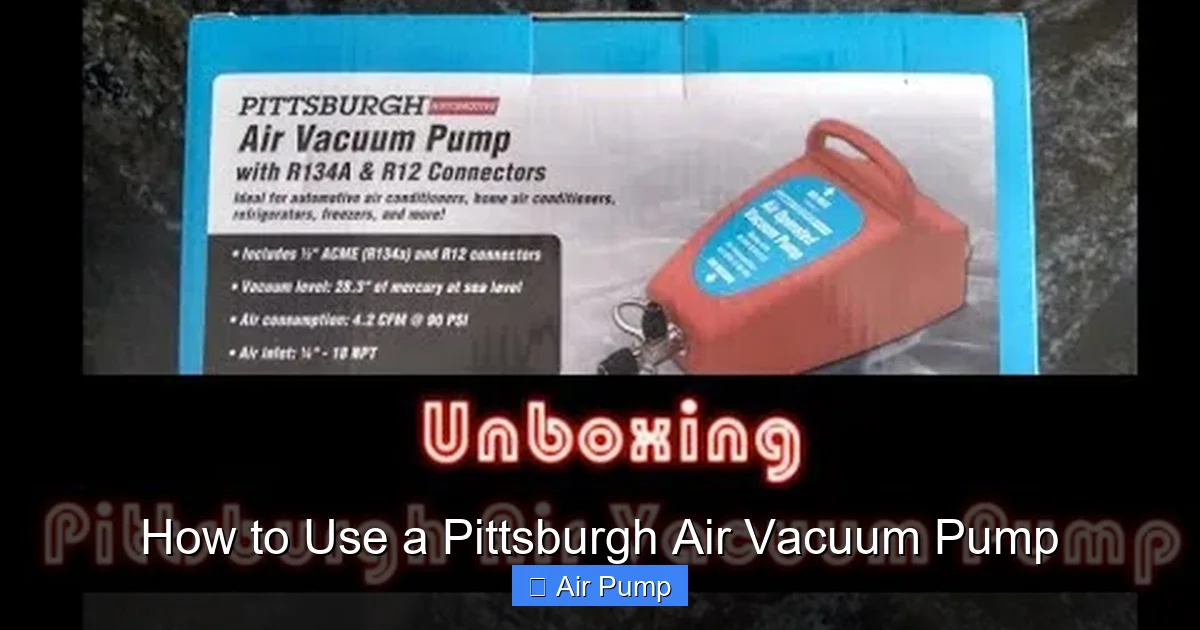
Visual guide about How to Use a Pittsburgh Air Vacuum Pump
Image source: i.ytimg.com
Preparing to Use Your Pittsburgh Air Vacuum Pump
Gather Your Equipment
Before starting, ensure you have everything needed:
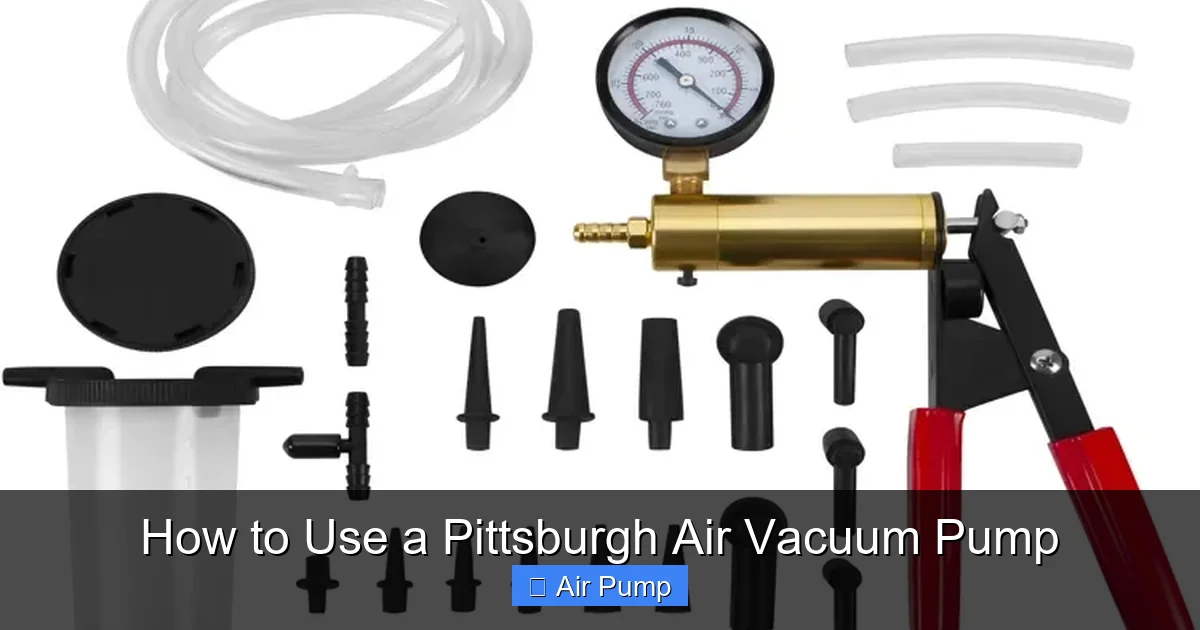
Visual guide about How to Use a Pittsburgh Air Vacuum Pump
Image source: toolsadvisers.com
- Pittsburgh air vacuum pump
- Hoses and fittings compatible with your pump
- Vacuum gauge (if not built-in)
- Safety gear: gloves and safety glasses
- Power source: compressed air supply or air compressor
Check that all parts are clean and in good condition. Damaged hoses or fittings can cause leaks, reducing efficiency.
Safety Precautions
- Always operate the pump in a well-ventilated area.
- Wear safety glasses and gloves to protect against accidental discharges or leaks.
- Ensure the pump is securely mounted or placed on a stable surface.
- Never operate the pump beyond its recommended pressure limits.
Step-by-Step Guide to Using a Pittsburgh Air Vacuum Pump
Step 1: Connect the Pump to Your System
First, attach the hoses to your vacuum pump and the system or container you want to evacuate.
- Identify the inlet: This is where the air enters the pump.
- Attach hoses securely: Use appropriate fittings to prevent leaks.
- Check connections: Ensure all connections are tight before proceeding.
Tip: Use quick-connect fittings for easy setup and disconnection.
Step 2: Prepare the Air Supply
Connect your air compressor or source of compressed air to the pump.
- Set the pressure: Usually, 80-100 PSI is suitable, but check your pump’s specifications.
- Open the air valve: This allows compressed air to flow into the pump.
Ensure there are no leaks in your air supply line.
Step 3: Turn On the Pump
Power on your air compressor or turn on the compressed air source. The pump will start creating a vacuum.
- Monitor the gauge: Observe the vacuum level as it drops.
- Adjust if necessary: If your pump has adjustable settings, set them according to your needs.
Tip: Start with a lower vacuum level and increase gradually to prevent system stress.
Step 4: Achieve the Desired Vacuum Level
Let the pump run until the vacuum reaches your target level. This depends on your specific application.
- Use a vacuum gauge: To measure the vacuum precisely.
- Patience is key: Some systems take longer to evacuate fully.
If your system has a valve, close it once the desired vacuum level is achieved.
Step 5: Shut Down and Disconnect
Turn off the air compressor or release the air supply slowly to avoid sudden pressure changes.
- Close all valves: Both on the pump and your system.
- Disconnect hoses: Carefully detach fittings to prevent leaks.
Store your pump in a clean, dry place after use.
Practical Tips for Using Your Pittsburgh Air Vacuum Pump
- Regular maintenance: Keep filters clean and check for leaks periodically.
- Use appropriate fittings: Avoid forcing incompatible fittings, which can cause damage.
- Monitor gauges: Always keep an eye on vacuum levels during operation.
- Avoid overloading: Use within the recommended pressure and vacuum limits.
- Practice safety: Never operate the pump near open flames or in explosive environments.
Troubleshooting Common Issues
Pump Not Achieving Full Vacuum
This could be due to leaks, clogged filters, or incorrect connections. Check all fittings, clean filters, and reassemble. Ensure the system is sealed properly.
Unusual Noises or Vibrations
These may indicate damage or lack of lubrication. Turn off the pump and inspect for worn parts or debris. Regular lubrication as per manufacturer’s instructions can prevent this.
Air Leaks in the System
Check hoses and fittings for cracks or loose connections. Replace damaged parts and ensure all fittings are tight.
Maintenance Tips
- Regularly inspect hoses and fittings for wear.
- Keep the pump clean and free of dust.
- Lubricate moving parts if recommended by the manufacturer.
- Drain accumulated moisture from the pump if it has a moisture trap.
Conclusion
Using a Pittsburgh air vacuum pump is straightforward once you understand the setup and operation. Follow the step-by-step instructions, practice safety, and perform regular maintenance to ensure optimal performance. With these tips, you’ll be able to achieve efficient vacuum levels for your projects, whether in automotive, HVAC, or hobbyist applications. Happy pumping!
