


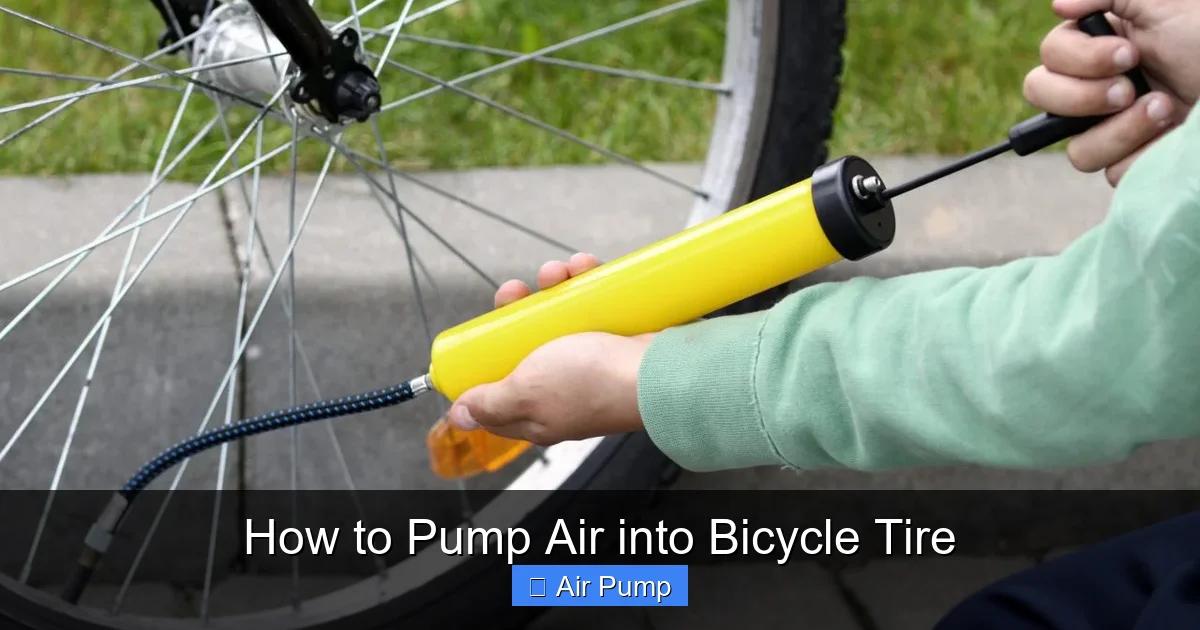
Pumping air into a bicycle tire is a simple task that keeps your bike safe and efficient. This guide walks you through each step, from choosing the right pump to checking tire pressure, ensuring a smooth ride every time.
How to Pump Air into Bicycle Tire
Having properly inflated tires is key to a smooth, safe, and enjoyable ride. Whether your bike has a flat or just needs a quick top-up, knowing how to pump air into your bicycle tire is an essential skill. This guide will walk you through every step, from selecting the right pump to checking the correct pressure, so you can get back on the road with confidence.
Key Takeaways
- Use the correct pump: Ensure you’re using a compatible bike pump, whether manual or electric.
- Identify the valve type: Recognize whether your tire has a Presta or Schrader valve for proper attachment.
- Check the recommended pressure: Find the ideal PSI for your bike tire, usually printed on the sidewall.
- Securely attach the pump: Make sure the pump head is firmly connected to avoid air leaks.
- Inflate gradually and monitor: Pump slowly, checking pressure frequently to prevent overinflation.
- Maintain your pump: Keep your pump in good condition for reliable performance.
Understanding Your Bicycle Tire and Valve Types
Before you start, it’s important to identify the type of valve on your bike tire. The most common types are Presta and Schrader. Knowing which one your bike has will help you select the right pump head and ensure a proper seal.
Presta Valve
- Long, thin valve with a small lock nut on top.
- Typically found on racing bikes and high-end models.
- Requires unscrewing the small lock nut before attaching the pump.
Schrader Valve
- Wider and resembles a car tire valve.
- Common on mountain bikes and older models.
- Can be pumped directly without unscrewing anything.
Gathering the Right Equipment
Before you begin, make sure you have the necessary tools:

Visual guide about How to Pump Air into Bicycle Tire
Image source: c8.alamy.com
- Bike Pump: Manual or electric, with compatible head for your valve type.
- Pressure Gauge: Often built into the pump or as a separate tool.
- Optional: Valve adapters if your pump doesn’t match your valve type.
Step-by-Step Guide to Pump Air into Your Bicycle Tire
Step 1: Prepare Your Bike and Pump
Place your bike on a stable surface, ideally upright or on a bike stand. Make sure your pump is in good working order, with no leaks or damage.
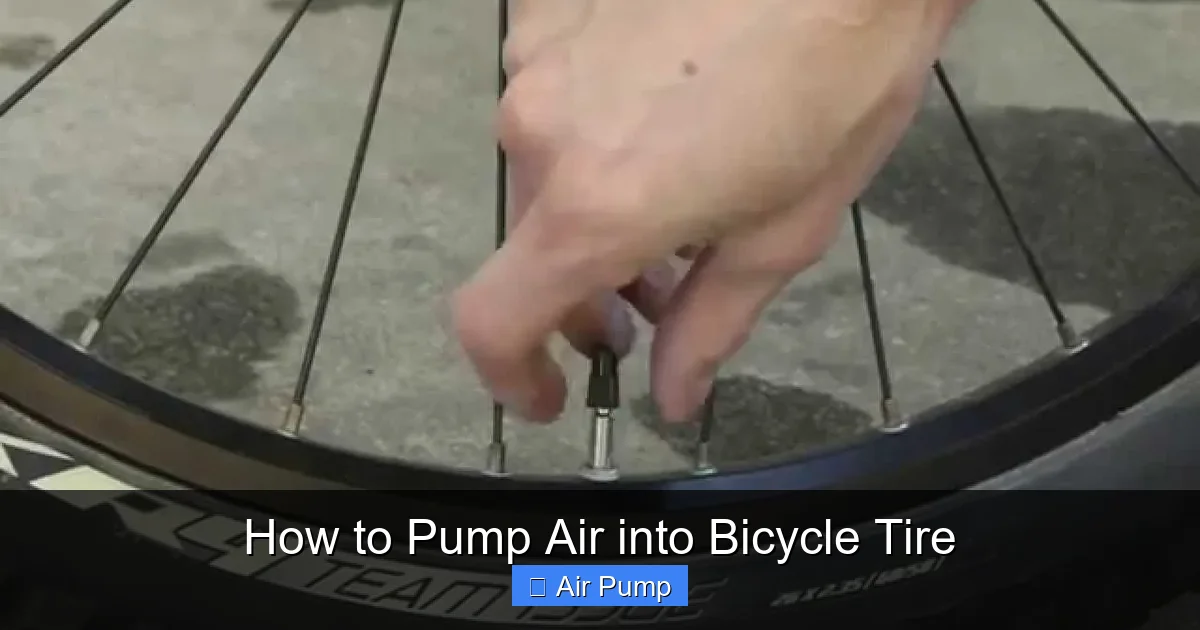
Visual guide about How to Pump Air into Bicycle Tire
Image source: i.ytimg.com
Step 2: Identify and Prepare the Valve
Locate your tire’s valve. Depending on the type:
- Presta: Unscrew the small lock nut on top of the valve. This will open the valve for air flow.
- Schrader: No need to unscrew; it’s ready for attachment.
Step 3: Attach the Pump Head Securely
Attach the pump head to the valve. For Presta valves, you might need to flip a lever on the pump head to lock it in place. For Schrader valves, press the pump head onto the valve until it clicks or feels snug.
Tip: Make sure the connection is tight to prevent air leaks.
Step 4: Pump Air into the Tire
Begin pumping slowly. Keep an eye on the pressure gauge, if available. Check the recommended PSI for your tire, usually printed on the sidewall or in your bike manual.
- Increase pressure gradually, pausing to check the gauge regularly.
- Avoid overinflating by stopping once you reach the recommended PSI.
Step 5: Detach the Pump and Secure the Valve
Once the desired pressure is reached:
- Carefully detach the pump head from the valve.
- For Presta valves, screw the small lock nut back down to close the valve.
- For Schrader valves, simply remove the pump head.
Step 6: Double-Check the Pressure
Use your pressure gauge to verify the PSI. If it’s slightly below or above, adjust accordingly by adding or releasing air.
Practical Tips for Effective Tire Inflation
- Use a good-quality pump: Ensures a consistent and easier pumping experience.
- Check pressure regularly: Avoid riding on under- or over-inflated tires.
- Maintain your pump: Keep it clean and in good condition for reliable use.
- Use a pressure gauge: Never guess; always verify the PSI.
- Inflate in a clean area: Prevent dirt from entering the valve.
Troubleshooting Common Issues
Air Leak at the Valve Connection
If air escapes when you attach the pump, ensure the pump head is properly secured and the valve is open enough. Reattach firmly and check the valve for damage.
Difficulty Attaching the Pump
Make sure you are using the correct pump head for your valve type. Sometimes, a valve adapter can help if the pump isn’t compatible.
Overinflation
Always monitor the pressure gauge closely. If you accidentally overinflate, release some air by pressing the valve or using a valve tool.
Conclusion
Inflating your bicycle tires is a simple but essential task for safe and efficient riding. With the right tools, a bit of practice, and attention to detail, you’ll be able to do it quickly and confidently. Regularly check your tire pressure to extend tire life and enjoy a smoother ride every time.
Remember:
- Identify your valve type
- Use the correct pump and attachments
- Check pressure regularly
- Never overinflate or underinflate
Happy cycling!
