


In this guide, you’ll discover how to put air in your bike tire using a hand pump. We’ll walk you through each step, from preparing your bike to troubleshooting common issues, so you can keep riding smoothly and safely.
Key Takeaways
- Properly identify the valve type: Know whether your bike tire uses Schrader or Presta valves to select the right pump attachment.
- Check your tire pressure: Use a pressure gauge to determine the current pressure and target PSI for your bike.
- Prepare your hand pump: Attach the correct nozzle to your pump to match your valve type for a secure fit.
- Inflate gradually: Pump air steadily, checking pressure frequently to avoid over-inflation.
- Inspect for leaks: Ensure the connection is airtight and look for punctures or damage if the tire isn’t holding air.
- Maintain proper pressure: Regularly check and top off your tires to improve bike performance and safety.
Introduction
Riding a bike is a fantastic way to stay active and enjoy the outdoors. But to keep riding smoothly, your bike tires need the right amount of air. Sometimes, you might find your tires are low or flat, and a quick fix is to use a hand pump. In this guide, we’ll show you how to put air in your bike tire with a hand pump. Whether you’re new to biking or just need a refresher, this step-by-step approach will help you keep your tires properly inflated for a safer, more comfortable ride.
Understanding Your Bike Tire Valve
Before you start, it’s important to know what type of valve your bike has. The two most common types are:
Visual guide about How to Put Air in Bike Tire with Hand Pump
Image source: i.ytimg.com
- Schrader Valve: Similar to car tires, with a wider opening. Easier to find and use.
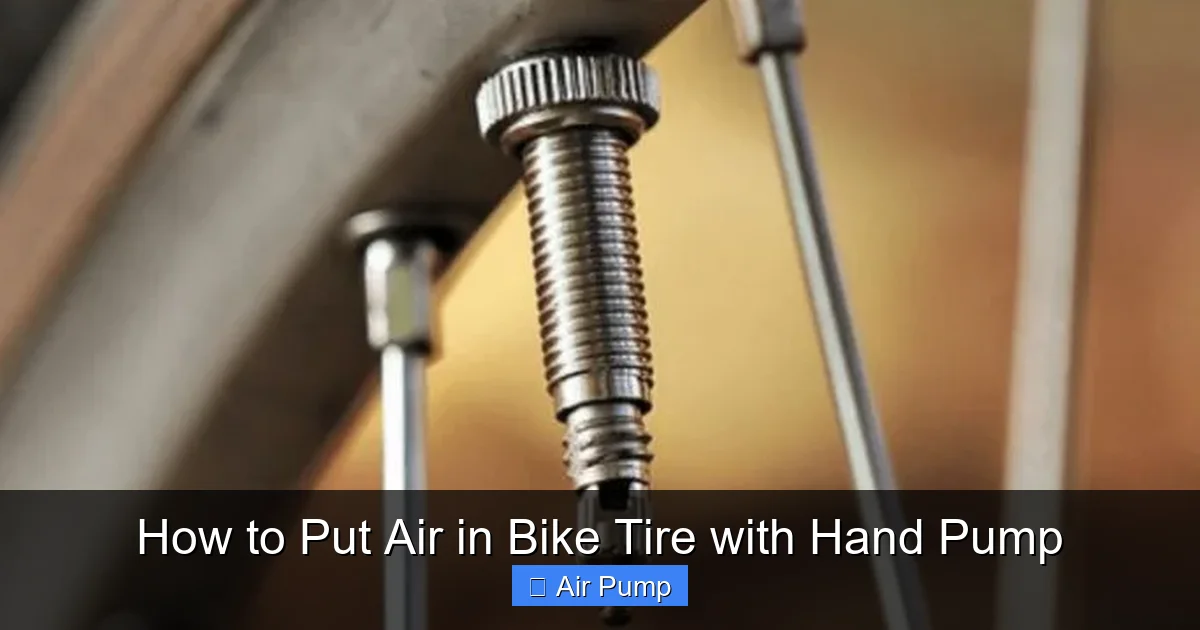
- Presta Valve: Narrower and often found on road bikes. Requires a special nozzle or adapter.
Identifying your valve type helps you select the correct pump attachment and ensures a proper seal when inflating.
Gather Your Tools and Prepare
What You Need
- Hand pump: Ensure it has a compatible nozzle for your valve type.
- Pressure gauge (optional but recommended): For accurate PSI measurement.
- Bike: Make sure it’s stable, ideally on a bike stand or flipped upside down.
- Valve adapter (if needed): For Presta valves, some pumps come with adapters or you can buy one separately.
Safety and Precautions
- Check your pump for leaks or damage before use.
- Wear gloves if you have sensitive skin or want to keep your hands clean.
- Inflate in a clean, dry area to avoid dirt entering the valve.
Step-by-Step Guide to Putting Air in Your Bike Tire
Step 1: Remove the Valve Cap
Start by unscrewing the small cap on your valve. This cap protects the valve from dirt and debris. Keep it in a safe place so you don’t lose it.
Visual guide about How to Put Air in Bike Tire with Hand Pump
Image source: cdn.thewirecutter.com
Step 2: Check the Current Tire Pressure
If you have a pressure gauge, attach it to the valve to see how much air is left. The recommended pressure for your bike tires is usually printed on the sidewall in PSI. If you don’t have a gauge, don’t worry—just proceed with caution and inflate gradually.
Step 3: Attach the Pump Nozzle
For Schrader Valves:
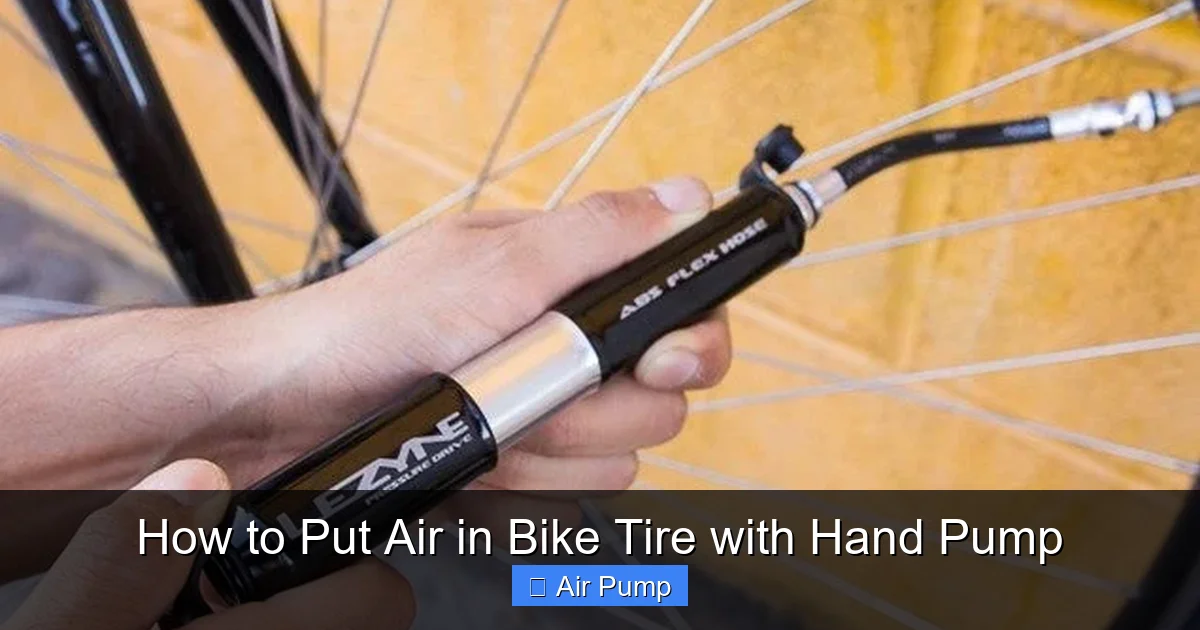
Press the pump nozzle directly onto the valve. You should hear a slight click or feel resistance when it’s securely attached. Ensure it’s snug but not forced.
For Presta Valves:
Unscrew the small brass nut at the top of the valve to open it. Then, attach the Presta nozzle or adapter. Tighten the nut lightly after attaching to ensure an airtight fit.
Step 4: Pump Air into the Tire
Start pumping steadily. Use short, consistent strokes. Keep an eye on the pressure gauge if you have one, or listen for the sound of air filling the tire. Check the pressure frequently to avoid over-inflation.
Tip: Stop periodically to check the PSI. It’s better to underinflate slightly and then add more air than to overinflate and risk damaging your tire.
Step 5: Remove the Pump and Seal the Valve
Once you’ve reached the desired PSI, carefully detach the pump nozzle. Quickly replace the valve cap to keep dirt out. For Presta valves, tighten the brass nut again to seal the valve.
Step 6: Test and Final Check
Give your tire a gentle squeeze or spin the wheel to ensure it feels firm and properly inflated. If you notice any hissing sounds or the tire deflates quickly, check for leaks or valve issues.
Practical Tips for Effective Inflation
- Use a quality pump: A reliable hand pump with a built-in pressure gauge makes the job easier and more accurate.
- Inflate in small steps: Add air in increments, checking pressure regularly.
- Keep the valve clean: Dirt or debris can cause leaks. Clean your valve before attaching the pump.
- Check tire pressure regularly: Maintaining proper PSI improves ride comfort and prolongs tire life.
Common Troubleshooting Tips
Air Won’t Enter or Pump Is Hard to Operate
Ensure the nozzle is securely attached. If the pump is hard to operate, check for blockages or leaks in the pump. Lubricate moving parts if needed.
Valve Is Leaking Air
Make sure the valve is properly sealed after inflating. If the leak persists, check the valve for damage or dirt. Replace or repair if necessary.
Overinflation
If you accidentally overinflate, release some air by pressing the valve core or pressing down on the tire sidewall near the valve. Use a pressure gauge to stop at the correct PSI.
Conclusion
Keeping your bike tires properly inflated is key to a safe and comfortable ride. With a little practice, putting air in your bike tire using a hand pump becomes a quick and easy task. Remember to check your tire pressure regularly, use the right tools, and follow the steps carefully. Happy riding!
Additional Tips
- Carry a portable hand pump and a small pressure gauge in your bike bag for on-the-go fixes.
- Inspect your tires for punctures or damage during inflation.
- Replace worn-out valves or pumps to ensure reliable inflation in the future.
