


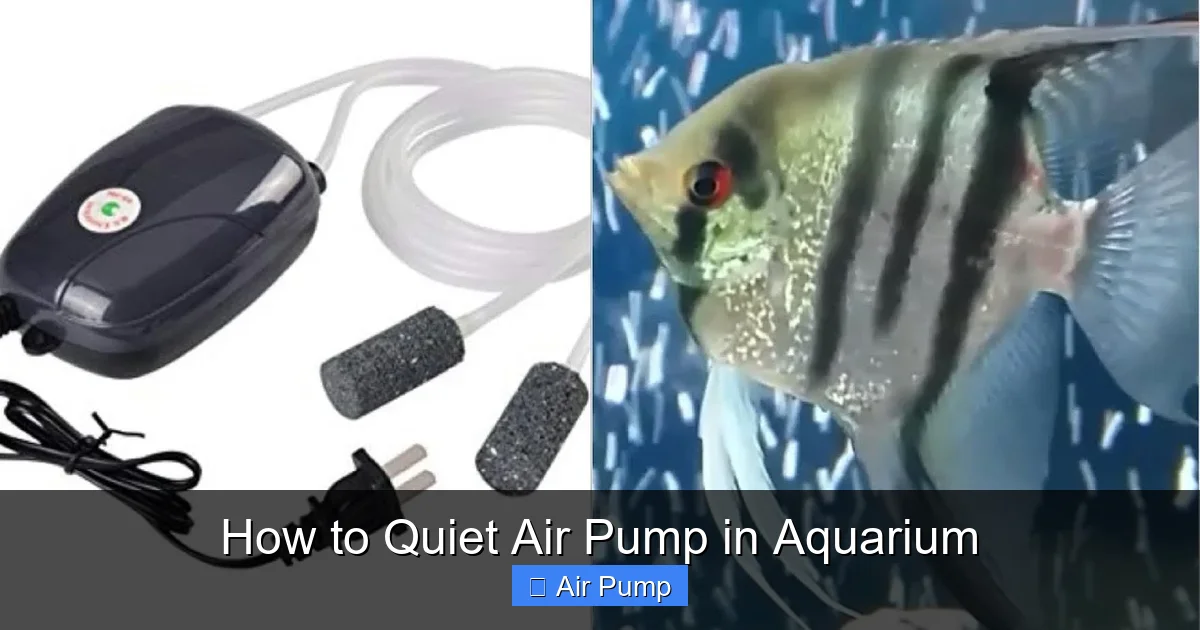
If your aquarium air pump is making too much noise, don’t worry! This guide shows you how to quiet your air pump effectively using easy methods like positioning, upgrading parts, and maintenance tips. Keep your tank peaceful and your fish happy with these simple solutions.
How to Quiet Air Pump in Aquarium
Having an aquarium is a wonderful way to enjoy a peaceful and beautiful aquatic environment. But a noisy air pump can ruin the tranquility. If your air pump is loud and disruptive, don’t worry! There are simple and effective ways to quiet your air pump. In this comprehensive guide, we’ll walk you through step-by-step methods to reduce noise, improve your setup, and keep your fish happy and healthy.
Key Takeaways
- Proper placement matters: Position your air pump on a stable, sound-absorbing surface to reduce vibrations and noise.
- Use noise dampening accessories: Attach rubber pads, foam, or specialized mounts to minimize sound transmission.
- Regular maintenance is key: Clean or replace air filters and check for blockages that cause the pump to work harder and louder.
- Upgrade to a quieter model: Consider investing in a low-noise air pump designed specifically for quiet operation.
- Control vibrations: Secure tubing and use vibration isolators to prevent noise caused by movement and contact.
- Optimize tubing setup: Use flexible, shorter, or thicker tubing to reduce air pressure noise and vibrations.
- Soundproof your aquarium area: Use soundproof panels or place the setup in a quieter location to minimize overall noise.
Understanding Why Your Air Pump Is Noisy
Before fixing the noise, it’s helpful to understand why your air pump is loud. Common reasons include vibrations, loose components, poor placement, or a low-quality pump. Some pumps are inherently louder than others, especially older or cheaper models. Knowing the cause helps you choose the right solution.
Step 1: Optimal Placement of Your Air Pump
Choose a Stable, Sound-Absorbing Surface
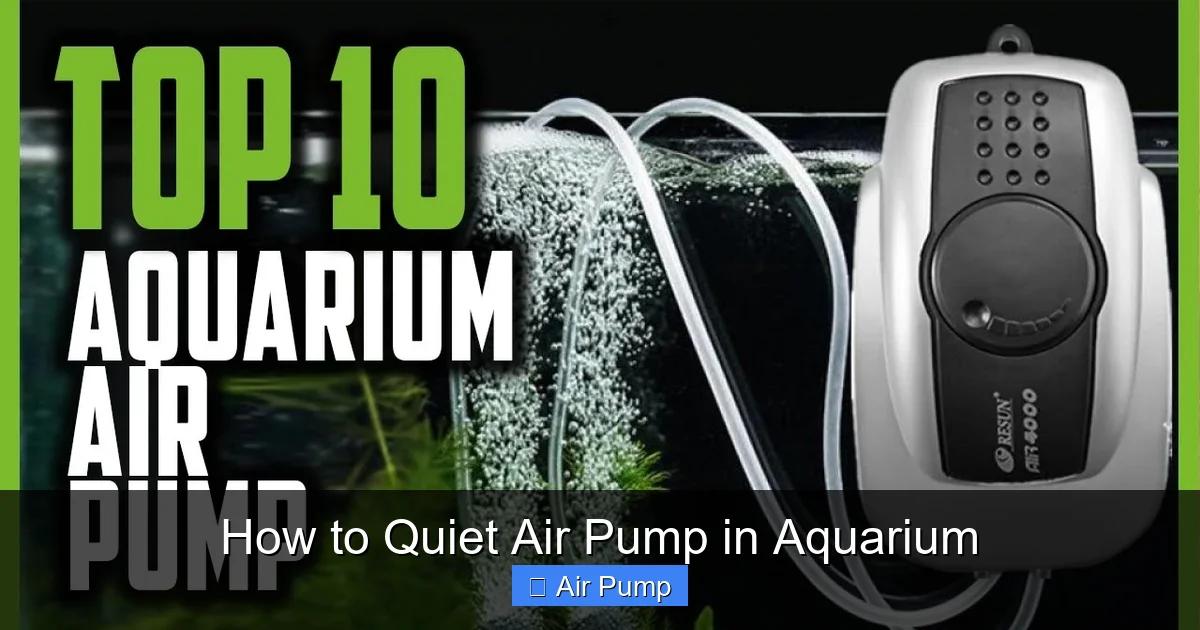
The first step to reduce noise is where you place the pump. Avoid placing it directly on a hard surface like concrete or metal, which can amplify vibrations. Instead, set it on a soft, stable surface such as a piece of foam, rubber mat, or a dedicated aquarium stand with soundproofing materials.
Visual guide about How to Quiet Air Pump in Aquarium
Image source: i.ytimg.com
- Use rubber pads or anti-vibration mats designed for appliances.
- Place the pump on a sturdy, level surface to prevent wobbling.
- Avoid placing the pump near your tank’s glass or acrylic walls where vibrations can transfer easily.
Step 2: Use Noise Dampening Accessories
Attach Rubber Mounts or Pads
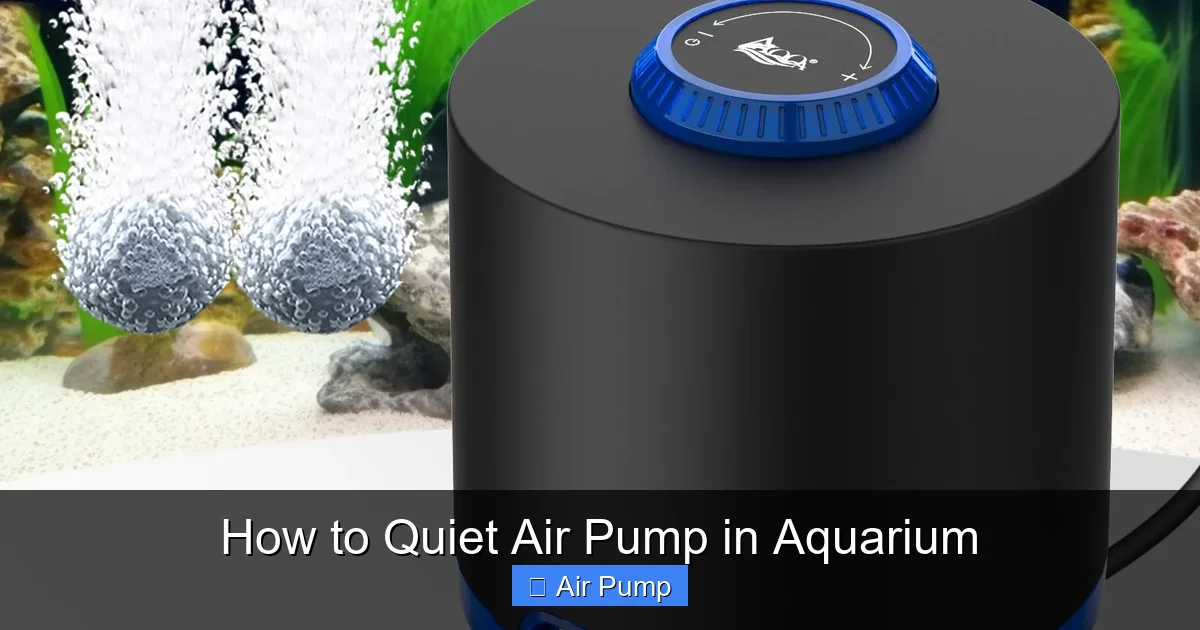
Rubber mounts or pads absorb vibrations and prevent them from traveling through surfaces. You can buy these at pet stores or hardware shops. Simply place them under the pump’s feet or mounting points.
Visual guide about How to Quiet Air Pump in Aquarium
Image source: m.media-amazon.com
Soundproof Enclosures
If your pump is still loud, consider placing it inside a soundproof box or enclosure. Make sure it has proper ventilation to prevent overheating.
- Use materials like foam, acoustic panels, or even a cardboard box lined with soundproofing foam.
- Leave some space around the pump for airflow.
Step 3: Regular Maintenance and Cleaning
Clean or Replace Air Filters
A clogged or dirty filter makes the pump work harder, increasing noise. Remove the filter and clean it according to the manufacturer’s instructions. Replace it if it’s worn out.
Check for Blockages
Inspect the air tubing and impeller for debris, algae, or mineral buildup. Clear any obstructions to keep the pump running smoothly and quietly.
Step 4: Upgrade to a Quieter Air Pump Model
If your current pump is old or inherently noisy, consider upgrading to a newer, low-noise model. Many brands offer pumps with noise-reduction features like sealed motors, special diaphragms, or vibration dampers.
- Look for pumps labeled “quiet” or “low-noise” in product descriptions.
- Read reviews and user feedback to find reliable, silent options.
Step 5: Minimize Vibrations and Secure Tubing
Secure the Tubing
Loose or vibrating tubing can cause noise. Use clips or zip ties to secure the tubing firmly to the tank or stand. Keep the tubing slack to prevent tension and rubbing.
Use Vibration Isolators
Attach vibration isolators or shock absorbers between the pump and the surface. These can be rubber or silicone pads designed to absorb vibrations.
Step 6: Adjust and Optimize Tubing Setup
Use Flexible and Thicker Tubing
Thicker or more flexible tubing can reduce air pressure noise and vibrations. Avoid sharp bends or kinks that can cause turbulence and noise.
Keep Tubing Short and Straight
Minimize the length of tubing to reduce airflow turbulence. Straight tubing with gentle bends is quieter than convoluted or kinked lines.
Step 7: Soundproof Your Aquarium Environment
If noise persists, consider soundproofing the room or area around your aquarium. Use sound-absorbing panels, curtains, or move the setup to a quieter space. This won’t reduce the pump noise directly but can improve overall tranquility.
Additional Tips and Practical Examples
- Example: Place your pump on a foam mat inside a cardboard box lined with acoustic foam, then position it behind the tank for maximum noise reduction.
- Tip: Regularly check and tighten fittings to prevent air leaks that increase noise.
- Example: Use a longer, flexible silicone tube to reduce vibrations transfer from the pump to the tank.
Troubleshooting Common Noise Issues
- Pump is noisy despite placement: Check for loose parts or worn-out diaphragms. Consider replacing the pump.
- Vibrations are transmitted through the surface: Use vibration dampers or switch to a different mounting surface.
- Airflow sounds are loud: Reduce tubing length or upgrade to a quieter model.
Conclusion
Quieting your aquarium air pump is achievable with simple adjustments and maintenance. Start with proper placement and dampening accessories, keep the pump clean, and consider upgrading if needed. These steps will help create a peaceful environment for your fish and give you a more enjoyable aquarium experience. Remember, a quieter pump not only benefits you but also reduces stress for your aquatic friends.
Final Words
By following these tips, you can significantly reduce the noise from your aquarium air pump. Experiment with different methods to find what works best for your setup. A peaceful, quiet aquarium is just a few steps away!
