


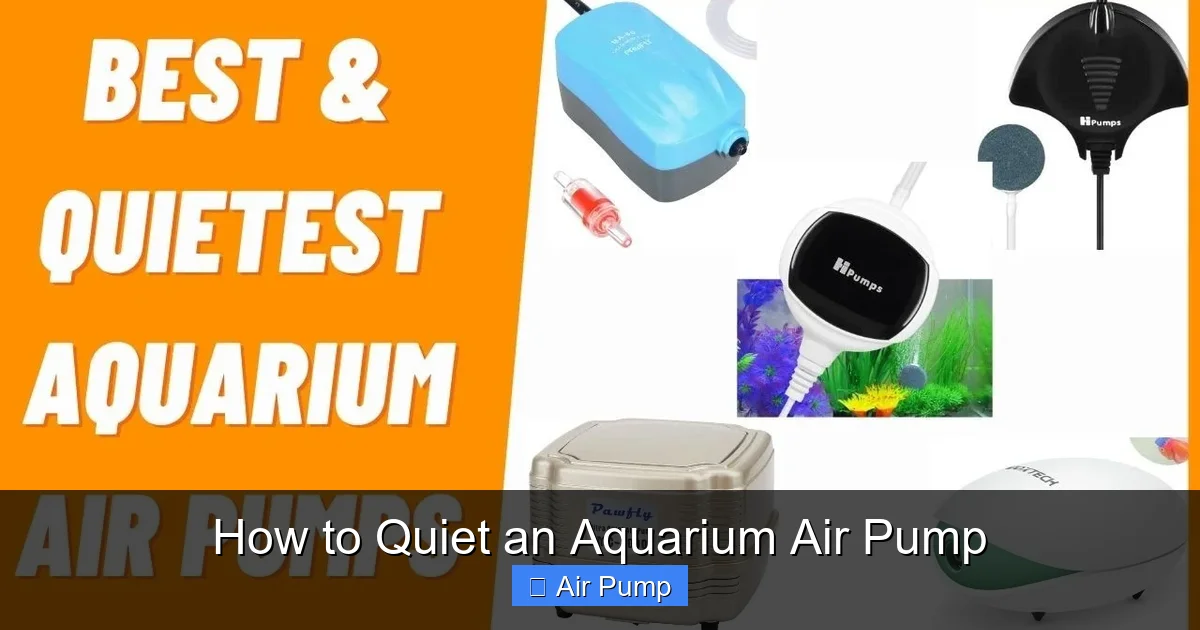
If your aquarium air pump is making too much noise, don’t worry. This guide provides practical steps to quiet your air pump effectively. From adjusting placement to upgrading parts, you’ll find everything you need to create a quieter, more relaxing tank environment.
Key Takeaways
- Proper Placement: Position your air pump on a stable, insulated surface to reduce vibration noise.
- Use of Soundproofing Materials: Adding foam or rubber mats can dampen vibrations and lower sound levels.
- Regular Maintenance: Clean and check your pump regularly to prevent noise caused by debris or wear.
- Upgrade to Quieter Models: Consider investing in modern, noise-reducing air pumps designed for silent operation.
- Adjust Airflow: Reducing the airflow can lessen noise without compromising oxygen levels.
- Additional Soundproofing: Use soundproof enclosures or relocate the pump away from living spaces for further noise reduction.
Introduction
If you keep an aquarium, you know that an air pump is essential for maintaining oxygen levels and water circulation. However, many aquarium enthusiasts find that air pumps can be quite noisy, disturbing the peaceful environment they want to create. Fortunately, there are simple and effective ways to tame that noise. In this guide, you’ll learn how to quiet an aquarium air pump, making your tank both healthy and peaceful.
Understanding Why Air Pumps Are Noisy
Before diving into solutions, it’s helpful to understand what causes the noise. Most of the sound comes from vibrations, motor hum, and the movement of air through the tubing. Factors like placement, the type of pump, and maintenance also influence the noise level. By addressing these aspects, you can significantly reduce the sound emissions.
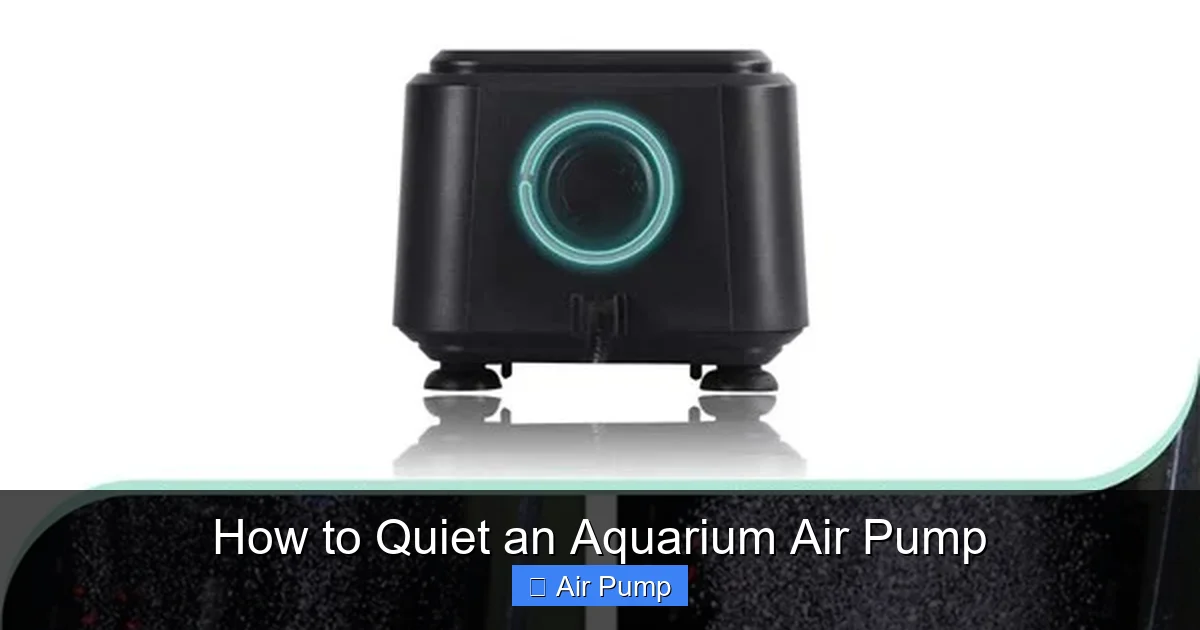
Visual guide about How to Quiet an Aquarium Air Pump
Image source: hyggerstore.com
Step 1: Proper Placement of the Air Pump
Choose a Stable, Insulated Surface
The first step to reduce noise is where you place your air pump. Avoid placing it directly on a hard surface like a tank stand or concrete floor, as this amplifies vibrations.
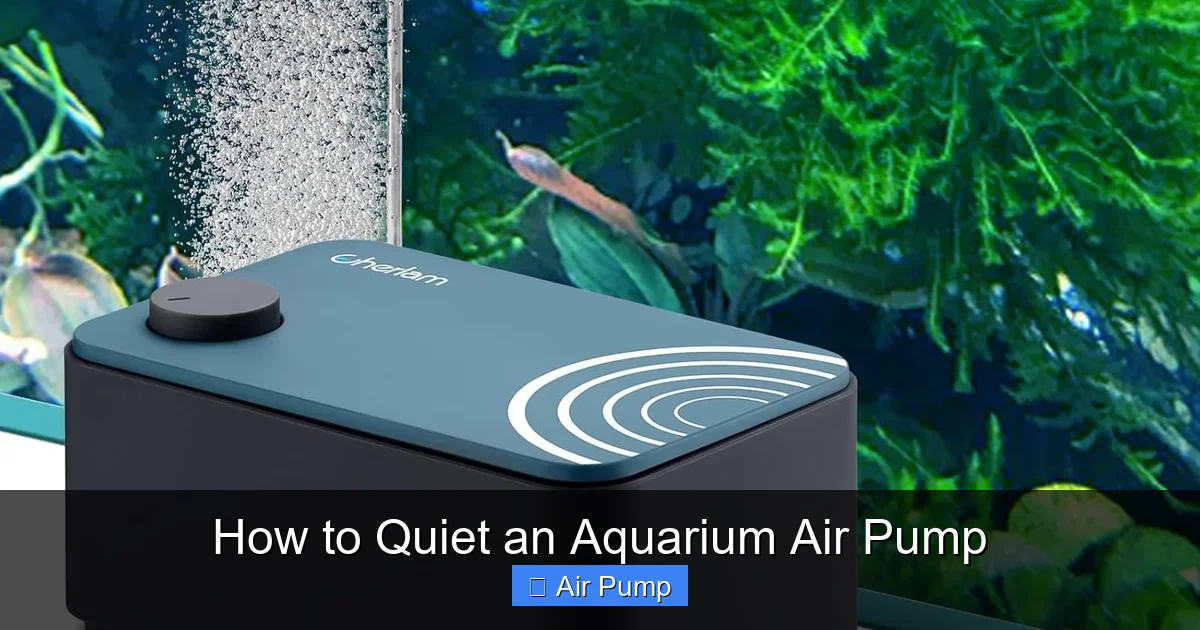
Visual guide about How to Quiet an Aquarium Air Pump
Image source: m.media-amazon.com
- Place the pump on a soft, stable surface such as a rubber mat, foam pad, or piece of carpeting.
- This damping material absorbs vibrations, preventing them from transferring to the surrounding environment.
Avoid Proximity to Living Spaces
If possible, keep the pump in a closet, basement, or a room away from your living area. Using long tubing allows you to position the pump in a less obtrusive location.
Step 2: Use Soundproofing Materials
Adding Foam or Rubber Padding
Soundproofing is one of the most effective ways to lower noise. Wrap the pump in foam or place it on a rubber mat.
- Wrap the body of the pump with acoustic foam or dense fabric to dampen vibrations.
- Place a rubber or silicone mat underneath the pump to absorb vibrations further.
Enclosures and Cabinets
Build or buy a soundproof enclosure for your pump. Ensure it has ventilation to prevent overheating.
- Use breathable materials like perforated plastic or fabric to allow airflow.
- Avoid airtight boxes, as they can cause the pump to overheat.
Step 3: Regular Maintenance and Cleaning
Clean the Pump Regularly
Dust, debris, and mineral buildup can cause the motor to work harder and generate more noise. Keep your pump clean.
- Unplug the pump and wipe it with a damp cloth regularly.
- Check and clean air filters or impellers as needed.
Check for Wear and Tear
Worn-out parts can cause noise. Replace damaged or worn parts promptly to keep the pump running smoothly and quietly.
Step 4: Upgrade to a Quieter Air Pump
Select a Modern, Noise-Reducing Model
If your current pump is old or noisy, consider upgrading to a newer model designed for silent operation.
- Look for pumps labeled as “quiet” or “silent” in product descriptions.
- Popular brands often include features like vibration damping and soundproofing.
Features to Consider When Buying
- Adjustable airflow controls
- Low decibel ratings
- Energy efficiency and durability
Step 5: Adjust the Airflow
Lower the Airflow Rate
Reducing the amount of air being pushed into the tank can decrease noise without harming aquatic life.
- Use the control valve on your air pump or inline regulator to dial down airflow.
- Test different settings to find a balance between noise level and oxygen needs.
Use Proper Air Tubing
Thick, flexible tubing produces less noise and vibration. Avoid kinking or twisting the tubing, which can cause additional noise.
Step 6: Additional Soundproofing Solutions
Relocate the Pump Away from Living Areas
If noise persists, simply moving the pump further away can be effective. Use longer tubing to maintain water flow and oxygenation.
Use Soundproof Enclosures or Cabinets
Building a custom enclosure or using a cabinet with soundproofing materials can help contain noise. Make sure the enclosure has ventilation to prevent overheating.
Troubleshooting Common Issues
- Pump is still noisy after placement: Check for loose parts, clean the pump, or consider replacing it with a quieter model.
- Overheating: Ensure proper ventilation, and do not enclose the pump airtight.
- Reduced oxygen flow: Make sure airflow is not excessively reduced; balance quietness with oxygen needs.
Conclusion
Quieting your aquarium air pump doesn’t have to be complicated. By carefully choosing the right placement, using soundproofing materials, performing regular maintenance, and upgrading to quieter models, you can enjoy a peaceful tank environment. Implement these tips, and your aquarium will be both healthy for your aquatic life and serene for your home.
Remember:
Patience and experimentation are key. Sometimes, combining several of these methods yields the best results. With a little effort, you can significantly reduce noise and create a more relaxing aquarium experience.
