


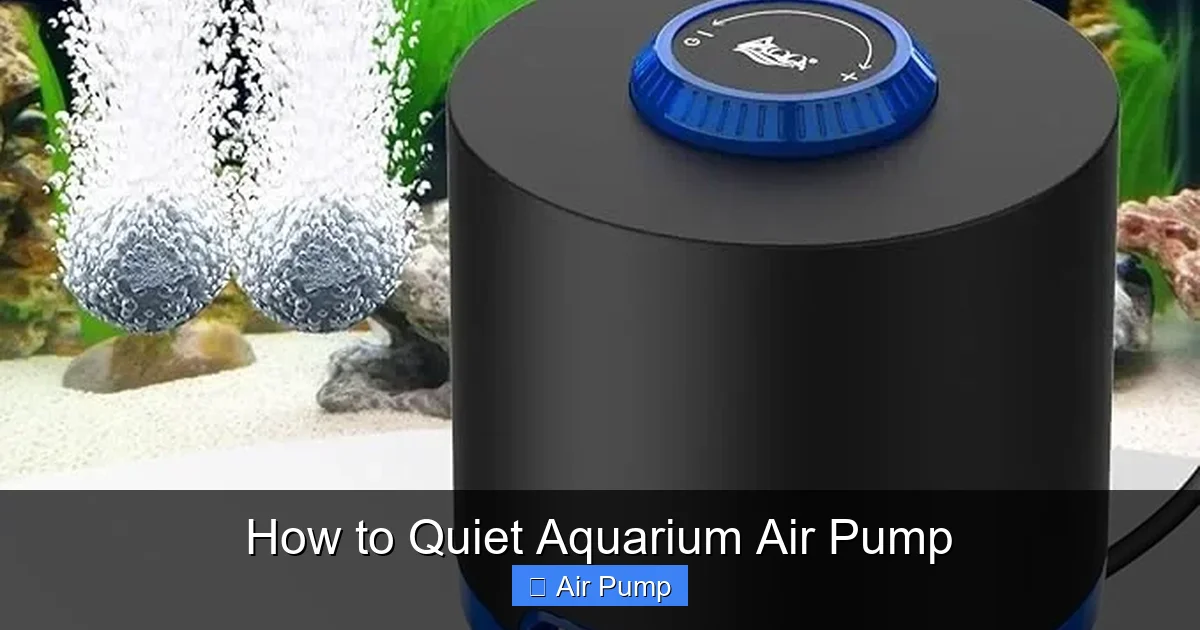
A noisy aquarium air pump can disrupt your peaceful environment. This guide provides simple, practical steps to silence your air pump effectively. Improve your tank’s ambiance and enjoy a quieter, more relaxing space with these expert tips.
Key Takeaways
- Identify the source of noise: Understanding what causes the noise helps in choosing the right solution.
- Use a foam pad or mat: Placing the pump on a soft surface reduces vibrations and sound.
- Secure and stabilize the pump: Proper placement prevents unnecessary movement that amplifies noise.
- Adjust the air tubing: Properly routing and securing tubing minimizes vibrations and rattling sounds.
- Maintain and clean regularly: Dirt buildup can cause the pump to work harder and become noisier.
- Consider upgrading or replacing the pump: Modern, quieter models can significantly reduce noise levels.
Introduction
If you own an aquarium, you’ve likely noticed the constant hum or noise from your air pump. While it’s essential for oxygenating your tank, a loud pump can be annoying and disturb your peace. The good news is, you can make your aquarium air pump much quieter with simple steps. In this guide, we’ll walk you through practical techniques to reduce noise, improve your tank environment, and enjoy a peaceful aquatic space.
Understanding Why Aquarium Air Pumps Make Noise
Before fixing the noise, it’s important to understand what causes it. Common noise sources include:
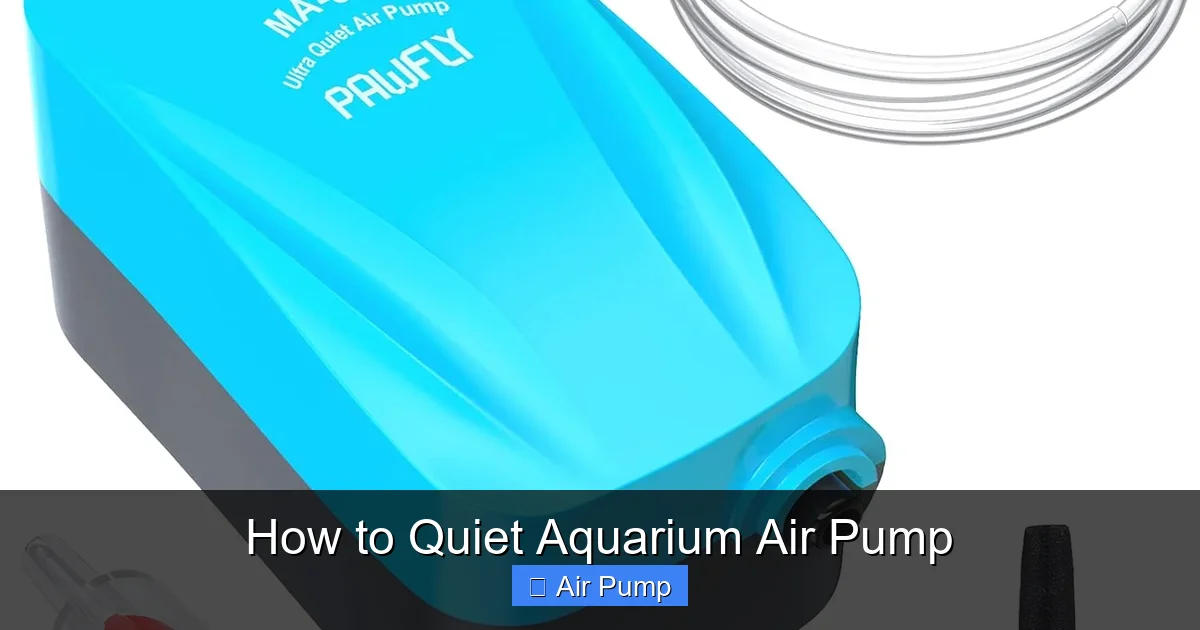
Visual guide about How to Quiet Aquarium Air Pump
Image source: m.media-amazon.com
- Vibrations: The pump’s motor vibrates against surfaces, transmitting sound.
- Resonance: Rattling or humming sounds from loose parts or tubing.
- Airflow sounds: Air bubbles and movement can create noise if not managed properly.
- Mechanical parts: Worn or malfunctioning components can produce abnormal sounds.
Knowing these causes helps you target your noise reduction efforts effectively.
Step 1: Choose the Right Location
Place the pump on a stable, flat surface
Start by positioning your air pump on a solid, level surface. A flat surface ensures even operation and prevents unnecessary vibrations. Avoid placing it on uneven or soft surfaces like carpet, which can amplify noise.
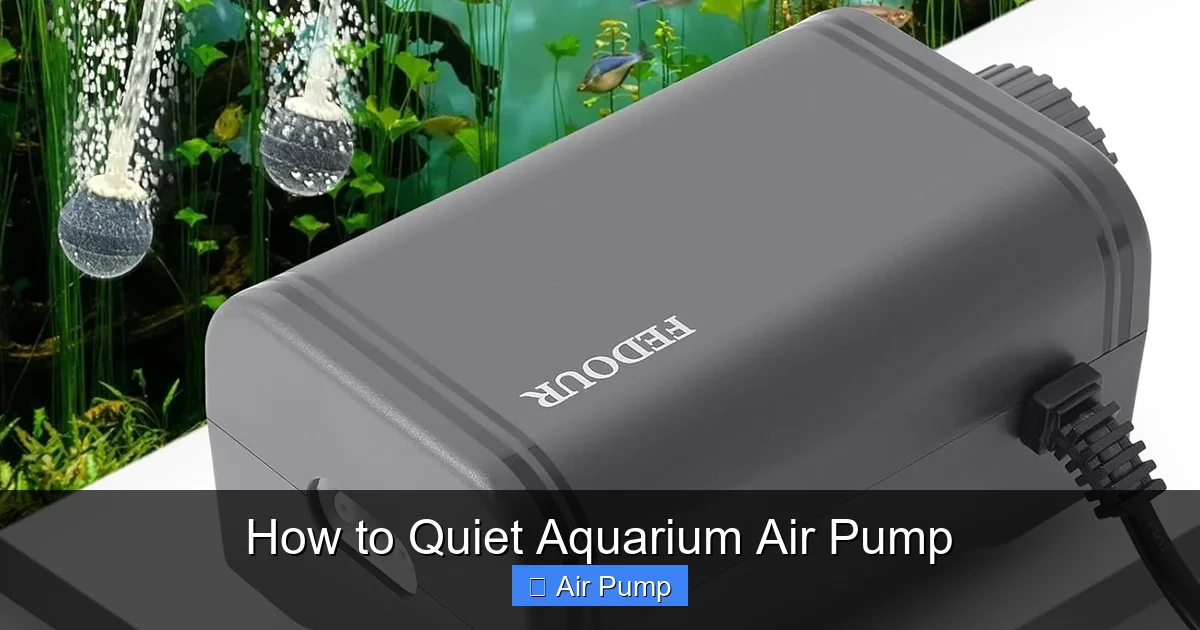
Visual guide about How to Quiet Aquarium Air Pump
Image source: m.media-amazon.com
Use a soft mat or foam pad
Place a foam pad, rubber mat, or sponge underneath the pump. This cushion absorbs vibrations and reduces the transfer of sound to surrounding surfaces. You can find these materials at hardware or pet stores.
Tip: Choose a dense foam that doesn’t compress too much but still dampens vibrations effectively.
Step 2: Secure and Stabilize the Pump
Use mounting brackets or clamps
If your pump has mounting holes or brackets, secure it to a wall or stand. Using clamps or zip ties can keep the pump stable and prevent shifting, which causes extra noise.
Avoid placing the pump in enclosed spaces
Keep the pump in a well-ventilated area. Enclosing it in a box or cabinet can trap heat and amplify noise. If you must hide it, ensure there’s ventilation and it’s not tightly enclosed.
Step 3: Manage the Air Tubing
Proper routing of tubing
Run the air tubing loosely, avoiding tight bends or kinks. Sharp bends can cause vibrations and rattling sounds. Use cable clips or zip ties to secure the tubing along the tank stand or wall.
Use larger or thicker tubing
Thicker, wider tubing can reduce airflow noise. It also minimizes vibrations and rattling. Make sure to connect it securely to the pump and air stones or diffusers.
Step 4: Reduce Vibrations and Rattling
Apply vibration dampening materials
If the pump vibrates excessively, add damping materials like foam strips or rubber washers between the pump and its base. This prevents vibrations from transferring to surrounding surfaces.
Adjust the placement of the pump’s components
Check for loose parts or screws. Tighten any loose screws or fittings. Loose parts can rattle and produce noise during operation.
Step 5: Regular Maintenance and Cleaning
Clean the pump regularly
Dust, dirt, and debris can cause the pump to work harder, increasing noise. Follow the manufacturer’s instructions to clean air filters, impellers, and other parts periodically.
Replace worn-out parts
If your pump is old or malfunctioning, consider replacing worn parts or upgrading to a quieter model. Modern pumps are designed to operate with minimal noise.
Step 6: Consider Upgrading to a Quieter Pump
If your current pump is inherently noisy despite all adjustments, it may be time to upgrade. Look for models labeled as “quiet” or “silent” air pumps. These often use advanced technology to minimize vibrations and humming sounds.
Tip: Read reviews and choose a pump suitable for your tank size and needs.
Troubleshooting Common Noise Issues
- Persistent rattling: Check for loose parts, worn impellers, or unsecured tubing. Tighten or replace as needed.
- Excessive vibration: Ensure the pump sits on a stable, cushioned surface. Add damping materials if necessary.
- Humming noise even after adjustments: Consider upgrading to a quieter model or contacting the manufacturer for support.
Conclusion
Quieting your aquarium air pump doesn’t require complex tools or expensive upgrades. By placing the pump on a soft surface, securing it properly, managing tubing, and maintaining it regularly, you can significantly reduce noise. If needed, investing in a modern, quiet pump can make a big difference. With these tips, you’ll enjoy a peaceful tank environment and a more relaxing space at home.
Remember
Every aquarium setup is unique. Experiment with different placements and adjustments to find what works best for your environment. Quiet pumps not only improve your peace of mind but also create a healthier, calmer aquatic habitat.
