


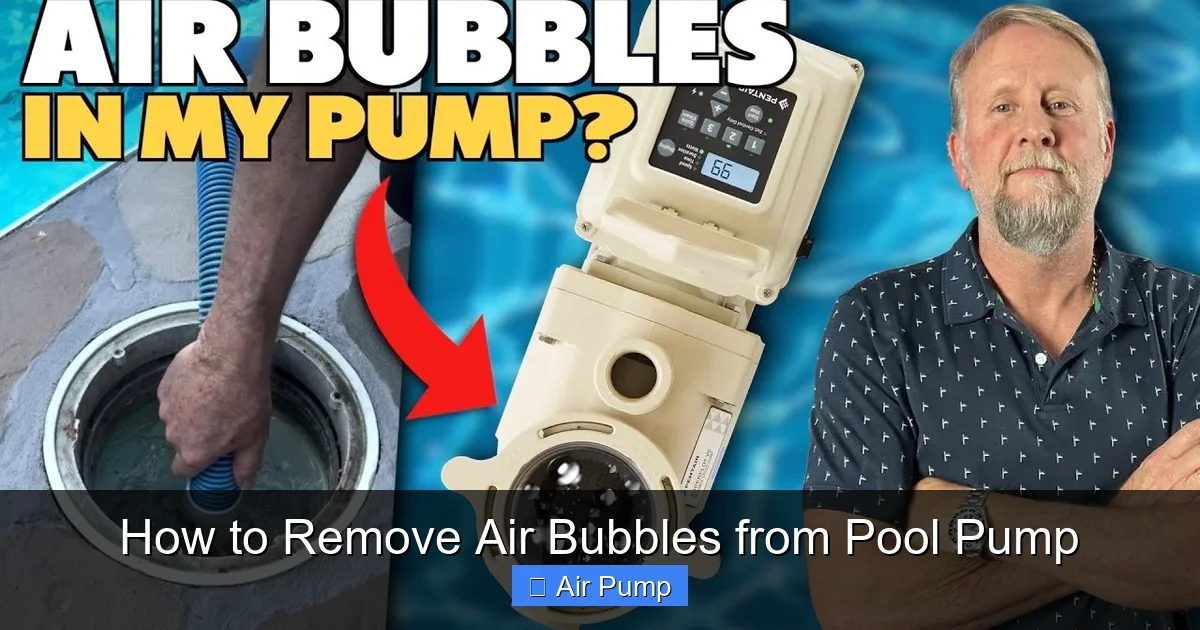
Air bubbles in your pool pump can cause poor circulation and damage over time. This guide will walk you through simple, effective steps to remove air bubbles and restore your pump’s optimal performance. With clear instructions and helpful tips, you’ll ensure your pool stays clean and functioning perfectly.
Key Takeaways
- Identify the problem: Air bubbles indicate air trapped in the pump or filter system.
- Priming the pump: Properly prime the pump to remove air and ensure water flow.
- Check for leaks: Leaks in hoses or fittings can cause air to enter the system.
- Bleed air from the system: Use the air release valve or manual methods to vent trapped air.
- Regular maintenance: Keep the pump and filter clean to prevent air lock issues.
- Troubleshoot persistent bubbles: Inspect and repair damaged seals or fittings if air persists.
Introduction
If you’ve noticed constant air bubbles in your pool pump or reduced water flow, your system might be experiencing an air lock. Air bubbles can hinder the pump’s efficiency, cause noise, and even damage the components over time. Fortunately, removing air from your pool pump isn’t complicated. In this guide, we’ll show you how to eliminate air bubbles step-by-step, ensuring your pool operates smoothly and efficiently.
Understanding Why Air Bubbles Occur
Before diving into the fix, it’s helpful to understand why air bubbles appear in the first place. Common causes include:
Visual guide about How to Remove Air Bubbles from Pool Pump
Image source: i.ytimg.com
- Leaks in hoses, fittings, or seals allowing air to enter.
- Low water levels in the pool or skimmer basket.
- Improper priming of the pump during setup or maintenance.
- Clogs or blockages in the filter or pump basket.
- Worn or damaged pump seals.
Knowing the cause helps you target the right solution and prevent future problems.
Tools and Materials Needed
- Pool pump manual (if available)
- Replacement O-rings or seals (if needed)
- Hose clamps or secure fittings
- Water hose (optional)
- Screwdriver or wrench (for disassembly)
- Pool skimmer or drain plug (if applicable)
- Pool water (for priming)
Step 1: Turn Off the Pool Pump
Why?
Always turn off the pump before inspecting or working on it. This prevents injury and damage to the system.
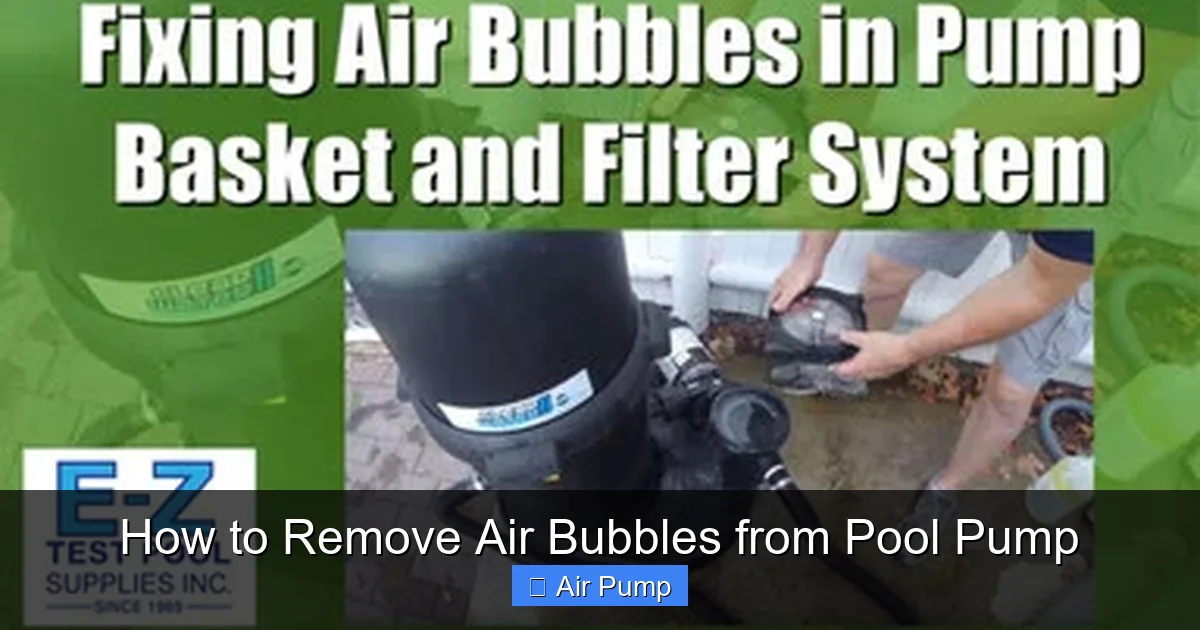
Visual guide about How to Remove Air Bubbles from Pool Pump
Image source: cdn11.bigcommerce.com
How?
- Locate the power switch or unplug the pump from the electrical outlet.
- Ensure the pump is completely off before proceeding.
Step 2: Inspect for Leaks and Loose Fittings
Check Hoses and Fittings
Start by examining all hoses, fittings, and connections for signs of leaks or looseness. Air can enter through small cracks or loose clamps.
Practical Tips
- Look for wet or frothy areas around fittings.
- Ensure clamps are tight and secure.
- Replace any cracked or damaged hoses or fittings.
Step 3: Check and Fill Pool Water Level
Why Water Level Matters
The water level should be at least halfway up the skimmer opening. Low water levels can cause the pump to suck in air.
How to Check
- Inspect the water level in the pool.
- Fill the pool if necessary using a hose or water source.
Tip
Maintain proper water levels to ensure continuous water flow and prevent air from entering the pump.
Step 4: Prime the Pool Pump
What is Priming?
Priming involves removing air from the pump and hose lines to restore water flow.
How to Prime
- Locate the pump’s priming port or lid. Remove the lid carefully.
- Fill the pump basket or chamber with water manually using a hose or bucket.
- Replace the lid securely, ensuring it’s tight and sealed.
- Turn on the pump and observe if the air bubbles diminish.
Tip
If your pump has a priming plug or valve, use it to bleed excess air.
Step 5: Bleed Air Using the Air Relief Valve or Manual Methods
Using an Air Relief Valve
If your pump has an air relief or air release valve, follow these steps:
- Locate the valve typically near the top of the pump or filter.
- Open or turn the valve slowly to release trapped air.
- Watch for water to flow steadily, indicating air has been expelled.
- Close the valve securely once water flows without bubbles.
Manual Bleeding Method
If no valve is available:
- Loosen the pump lid slightly to allow trapped air to escape.
- Hold the lid in place to prevent water loss.
- Wait until bubbles stop escaping, then tighten the lid securely.
Step 6: Restart the Pool Pump and Monitor
Power Up
- Plug in or turn on the pump.
- Observe the water flow and check for persistent bubbles.
What to Look For
- Steady water flow with minimal or no visible air bubbles.
- Unusual noise or vibrations indicating air still trapped.
Recheck Connections
- Ensure all fittings remain tight after restarting.
- Make adjustments if necessary.
Step 7: Troubleshooting Persistent Air Bubbles
If bubbles persist despite following the above steps:
- Inspect the pump seals: Worn or damaged seals can let air in. Replace if needed.
- Check the O-rings: Replace cracked or flattened O-rings.
- Examine the filter: Clean or replace dirty filters to improve water flow.
- Look for leaks: Tighten fittings or replace damaged hoses.
If troubleshooting doesn’t resolve the issue, consider consulting a professional pool technician.
Conclusion
Removing air bubbles from your pool pump is a straightforward process that can dramatically improve your pool’s performance. Regular maintenance, proper priming, and checking for leaks are key to preventing air lock issues. By following these steps, you’ll keep your pool system running smoothly, ensuring crystal-clear water and efficient circulation all season long.
Additional Tips for Preventing Air Bubbles
- Maintain proper water levels in your pool.
- Regularly inspect and tighten all fittings and hoses.
- Clean your filter regularly to prevent blockages.
- Replace worn or damaged seals promptly.
