


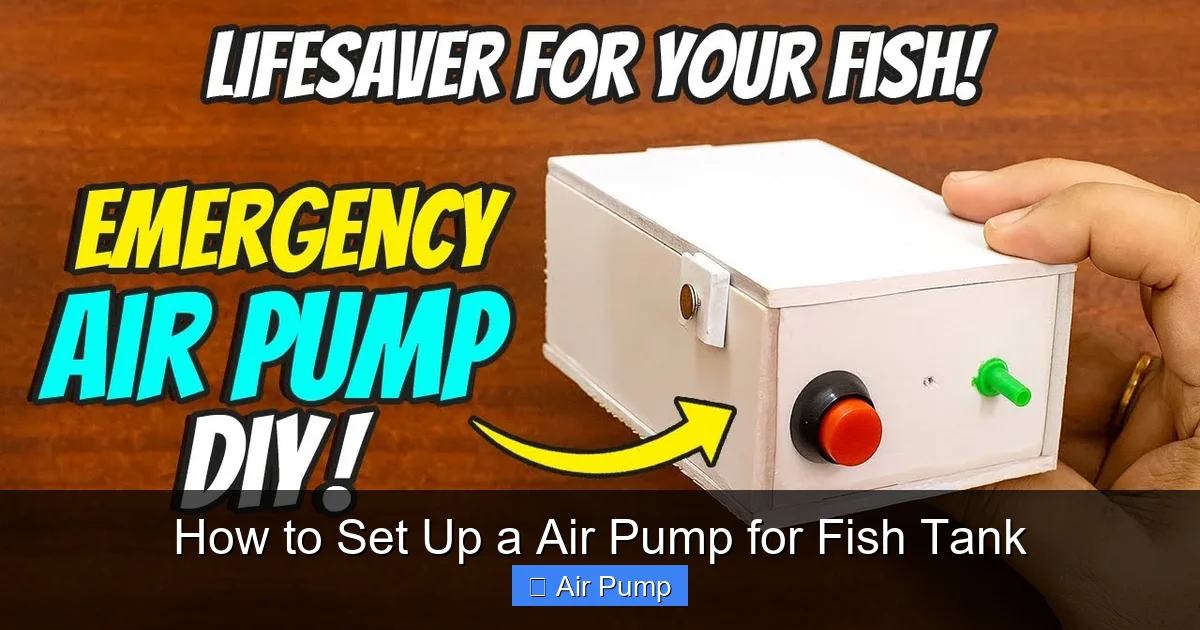
Setting up an air pump for your fish tank is essential for maintaining good oxygen levels and healthy fish. This guide walks you through each step, from choosing the right pump to troubleshooting common issues, ensuring a smooth setup process.
Key Takeaways
- Choose the right air pump: Select a pump suitable for your tank size and fish needs for optimal oxygenation.
- Placement matters: Position the pump and air stones correctly to maximize efficiency and minimize noise.
- Use appropriate tubing: Use durable, flexible tubing that fits your pump and air stones to prevent leaks and kinks.
- Adjust airflow: Set the airflow rate to match your tank requirements, avoiding over or under-aeration.
- Regular maintenance: Clean air stones and check tubing periodically to ensure consistent performance.
- Troubleshooting: Diagnose common issues like no bubbles or noise by inspecting connections and pump function.
Introduction
If you want your fish to thrive, good oxygen levels in your tank are crucial. An air pump helps circulate oxygen and keep your fish healthy. Setting up an air pump might seem challenging at first, but it’s actually simple if you follow the right steps. In this guide, you’ll learn how to select the right air pump, set it up correctly, and troubleshoot common problems. Let’s dive in and make your fish tank a healthy, happy environment!
Step 1: Choose the Right Air Pump
Assess Your Tank Size
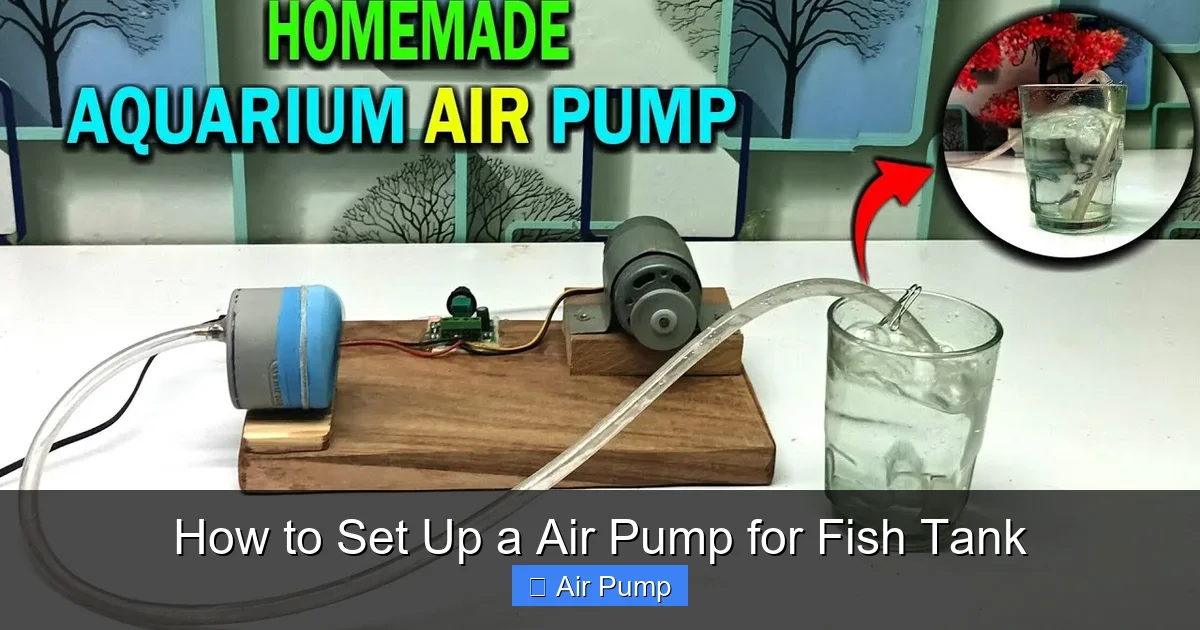
Before buying an air pump, measure your tank’s size. Larger tanks need more powerful pumps to ensure adequate oxygenation. For small tanks (up to 20 gallons), a basic pump with a lower airflow rate is sufficient. For bigger tanks, opt for a higher capacity pump.
Visual guide about How to Set Up a Air Pump for Fish Tank
Image source: i.ytimg.com
Select a Suitable Pump
Look for a pump designed for aquarium use. Check the airflow rate, usually listed in liters per hour (LPH) or gallons per hour (GPH). A good rule of thumb is to have an air pump that can turn over the entire tank volume at least 4-6 times per hour.
Consider Noise and Power Consumption
Choose a quiet pump if your tank is in a living area. Also, check the energy consumption to save on electricity bills. Brands like Tetra, Hygger, and Marina offer reliable, quiet models.
Step 2: Gather Necessary Supplies
- Air pump (selected based on your tank size)
- Air tubing (flexible, durable, and the right diameter)
- Air stones or diffusers (to disperse bubbles evenly)
- Check valves (optional but recommended to prevent water from siphoning back into the pump)
- Aquarium decorations or accessories (optional, for aesthetic purposes)
- Scissors or tubing cutter (for cutting tubing to length)
Step 3: Position the Air Pump
Find a Suitable Location
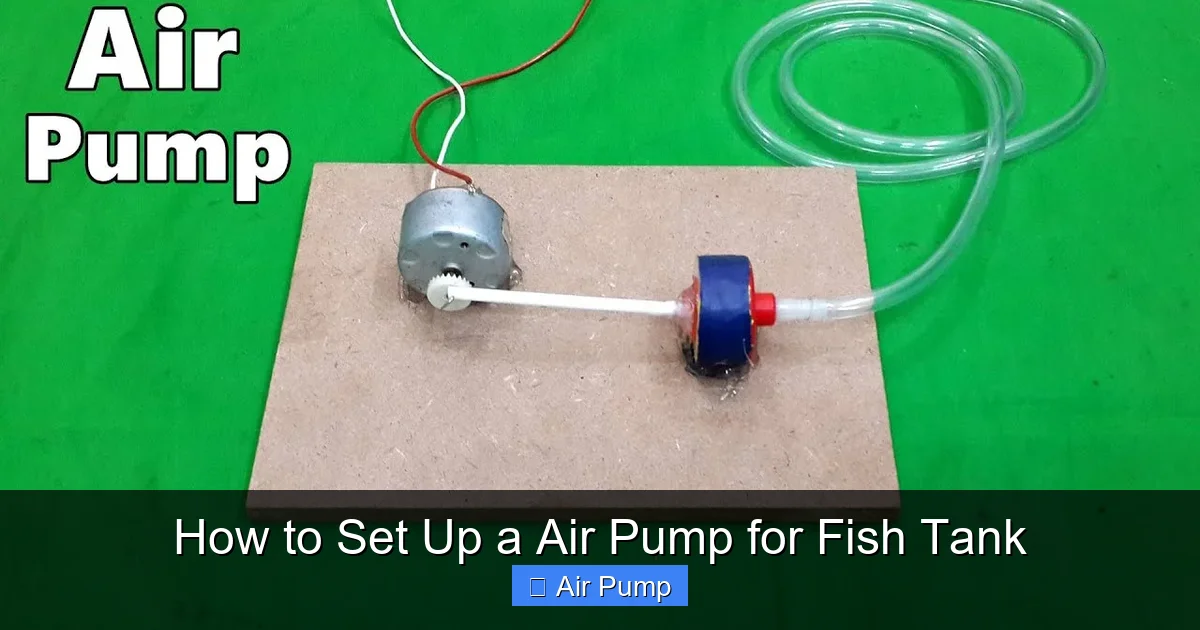
Place the air pump on a flat, stable surface outside the tank, preferably above water level. Keep it in a dry, well-ventilated area to prevent overheating. Avoid placing it near water or in direct sunlight.
Visual guide about How to Set Up a Air Pump for Fish Tank
Image source: i.ytimg.com
Maintain Proper Ventilation
Ensure the area around the pump has good airflow. This helps reduce noise and prolongs the pump’s lifespan. Elevate the pump slightly off the ground using a small stand or shelf if needed.
Step 4: Connect the Tubing and Air Stones
Attach Tubing to the Pump
Connect one end of the air tubing securely to the outlet on the air pump. Make sure the connection fits tightly to prevent leaks. If your pump has multiple outlets, choose the one suitable for your setup.
Cut the Tubing to Length
Measure and cut the tubing so it reaches your desired air stone placement inside the tank. Leave a little extra length for adjustments.
Attach the Air Stone or Diffuser
Insert the free end of the tubing into the air stone or diffuser. Ensure it fits snugly to prevent air leaks. Place the air stone at the bottom of the tank or in a location where bubbles will circulate effectively.
Step 5: Install the Air Stone in the Tank
Positioning
Secure the air stone to the tank bottom using suction cups or aquarium-safe clips. Place it near plants or decorations to help distribute bubbles evenly and oxygenate the water effectively.
Test the Setup
Turn on the air pump and observe if bubbles are forming from the air stone. Adjust the position if necessary to ensure even bubbling without excessive noise or splashing.
Step 6: Adjust the Airflow
Set the Appropriate Rate
Many air pumps have a control dial or knob to regulate airflow. Start with a low setting and gradually increase until you see a steady stream of bubbles. Avoid over-aerating, which can cause water agitation and stress your fish.
Monitor Your Fish
Keep an eye on your fish after setting up. If they seem stressed or if bubbles are causing turbulence, dial down the airflow. The goal is gentle bubbling that oxygenates the water without disturbing your fish.
Step 7: Regular Maintenance
- Clean the air stones monthly to prevent clogging and maintain bubble production.
- Check tubing for kinks or leaks regularly and replace if necessary.
- Inspect the pump for dust or debris and clean the exterior periodically.
- Replace check valves annually or if you notice water backing into the tubing.
Troubleshooting Common Issues
No Bubbles or Weak Bubbles
Check if the tubing is correctly attached and not kinked. Make sure the pump is plugged in and functioning. Clean or replace the air stone if clogged.
Excessive Noise
Place the pump on a soft surface to reduce vibrations. Tighten any loose fittings and ensure the pump is on a level surface. Lubricate or replace the pump if it continues to be noisy.
Water Siphoning Back into the Pump
Install a check valve on the tubing to prevent water from flowing back into the pump, especially if it is positioned below water level.
Conclusion
Setting up an air pump for your fish tank is straightforward and vital for maintaining a healthy environment. By choosing the right pump, positioning it correctly, and maintaining it regularly, you ensure your fish get the oxygen they need to thrive. Follow these steps, troubleshoot issues promptly, and enjoy a vibrant, lively aquarium!
Additional Tips
- Use a timer if you wish to regulate the air pump’s operation, especially in larger or heavily stocked tanks.
- Combine the air pump with live plants for natural oxygenation and filtration.
- Consider noise-reducing features if your setup is in a quiet area.
