


A noisy aquarium air pump can disrupt your peaceful space. This guide will show you practical ways to silence your air pump effectively, making your aquarium a serene haven. From adjusting placement to adding soundproofing, you’ll find easy solutions to reduce noise and enjoy a quieter environment.
Key Takeaways
- Proper placement: Position your air pump on a stable, cushioned surface to minimize vibrations and noise.
- Use soundproofing materials: Adding foam, rubber, or sponge around the pump reduces sound transmission.
- Install a noise-dampening box: Enclosing the pump in a custom or purchased soundproof box can significantly cut noise levels.
- Adjust air flow: Lowering the pump’s output or using a valve can decrease operational noise.
- Maintenance matters: Regularly clean and check your pump to prevent noise caused by dirt or wear.
- Upgrade your pump: Consider quieter models designed specifically for low noise operation.
Introduction
If you have an aquarium, you’ve probably heard the hum or buzz of your air pump. While essential for oxygenating your tank, a loud air pump can be annoying or disruptive, especially in quiet spaces like bedrooms or offices. The good news is, there are simple and effective ways to silence your aquarium air pump. In this comprehensive guide, we’ll explore practical tips and techniques to reduce noise, improve your aquarium environment, and create a peaceful space for both you and your aquatic life.
Understanding Why Aquarium Air Pumps Are Noisy
Before diving into solutions, it’s helpful to understand why air pumps produce noise. The main sources are vibrations, motor sounds, and airflow turbulence. Vibrations occur when the pump’s body or tubing vibrates against surfaces. Motor noise comes from the internal components, and airflow turbulence happens as air passes through the pump and tubing. Knowing these causes helps us target our noise-reduction efforts effectively.

Visual guide about How to Silence an Aquarium Air Pump
Image source: i.ytimg.com
Step 1: Choose the Right Location
Place on a Stable, Cushioned Surface
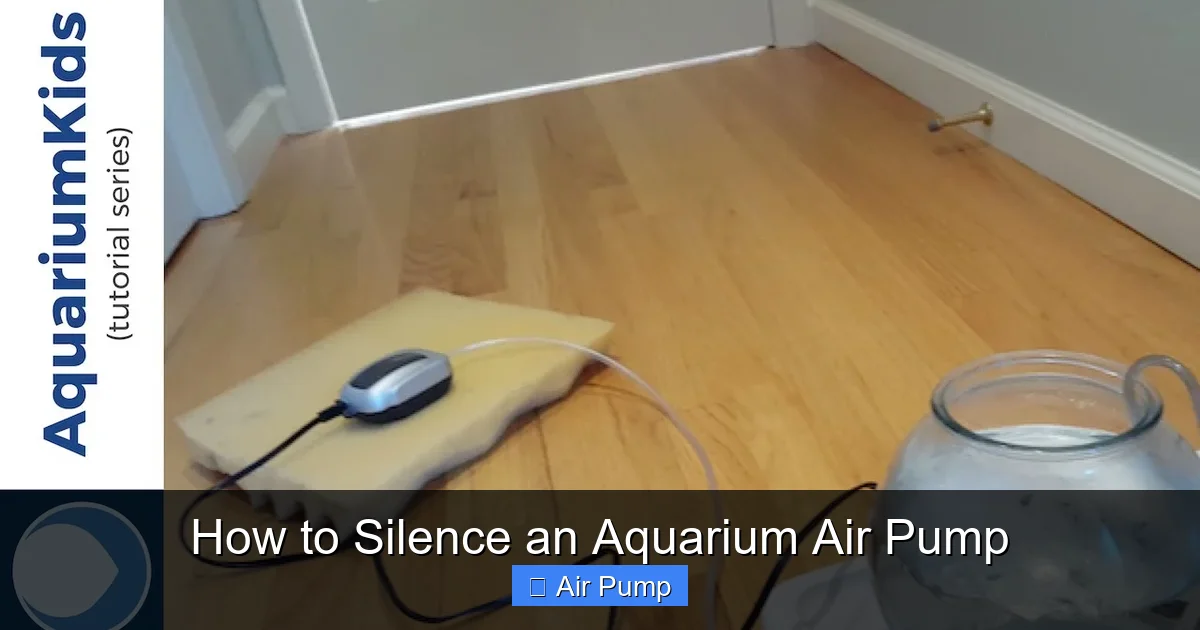
The first step in silencing your air pump is to position it properly. Avoid placing the pump directly on hard surfaces like wood, concrete, or tiles, as these amplify vibrations and noise.
Visual guide about How to Silence an Aquarium Air Pump
Image source: i.ytimg.com
- Use a soft mat or foam pad: Place your pump on a piece of foam, rubber, or a vibration-absorbing mat. This cushions vibrations and reduces noise transmission.
- Opt for a stable surface: Ensure the surface is steady to prevent additional vibrations caused by movement.
Keep the Pump Away from the Tank and Walls
Position the pump at least a few inches away from the aquarium and walls. This prevents vibrations from transferring directly to the tank or furniture, which can amplify noise.
- Use a stand or shelf: Elevate your pump on a small stand or shelf designed to dampen vibrations.
Step 2: Soundproof Your Air Pump
Add Soundproofing Materials
Soundproofing materials are your best friends for reducing noise. Here’s what you can do:
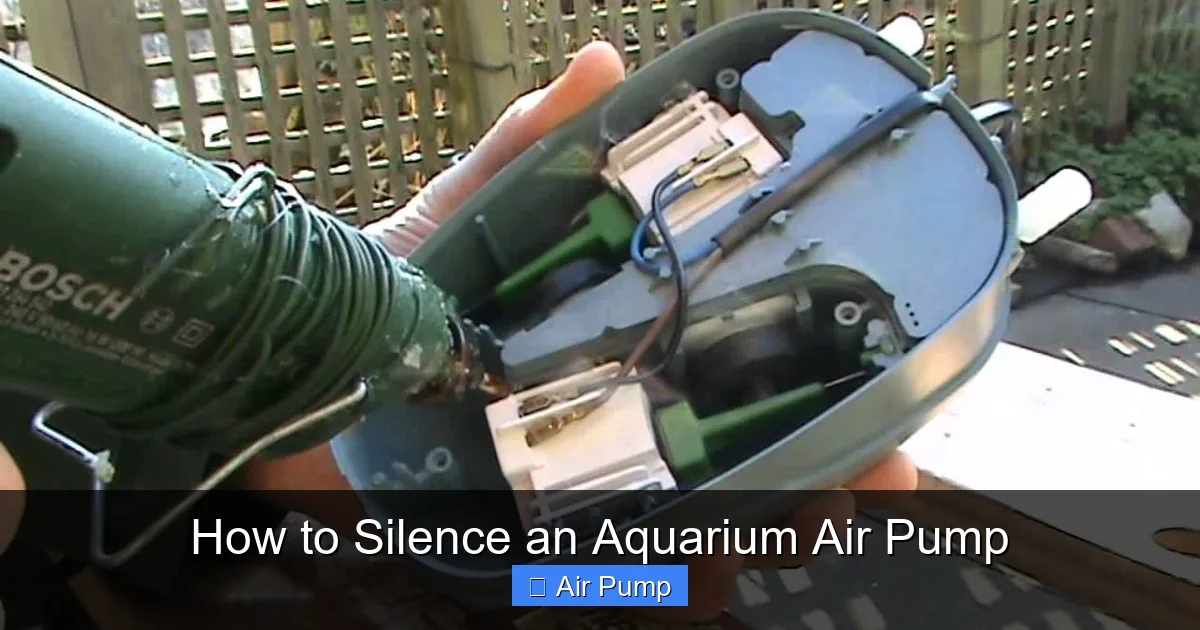
- Foam or sponge: Wrap the pump in acoustic foam or thick sponge. Cut the material to fit snugly around the pump, especially around the motor area.
- Rubber padding: Place rubber pads or strips beneath the pump to absorb vibrations.
- Enclose in a box: Build or buy a soundproof box that houses the pump. Ensure it has ventilation to prevent overheating.
Use a DIY Soundproof Enclosure
If you’re handy, you can create a custom enclosure using materials like plywood lined with soundproof foam. Make sure to leave enough space for airflow and access for maintenance.
- Ventilation: Drill small holes or add a fan to keep the pump cool.
- Accessibility: Design the box so you can easily remove or open it for cleaning and adjustments.
Step 3: Optimize Airflow and Pump Settings
Adjust Air Flow Rate
If your pump has adjustable airflow, try lowering the output. Less airflow often means quieter operation.
- Use a flow regulator valve: Attach a valve on the airline to control the air volume. Turn it down to reduce noise caused by turbulence.
Reduce Tubing Vibrations
Secure your airline tubing with clips or clamps. Avoid tight bends or kinks that can cause airflow turbulence and noise.
- Use thicker or softer tubing: Soft silicone tubing can dampen vibrations and noise better than rigid plastic.
Step 4: Regular Maintenance and Upgrades
Maintain Your Pump
Regular cleaning prevents dirt buildup that can make your pump work harder and noisier. Follow your manufacturer’s instructions for cleaning and replacing parts.
- Check for wear: Replace worn-out diaphragms or hoses promptly.
- Lubricate if needed: Some pumps require lubrication of moving parts to operate smoothly and quietly.
Upgrade to a Quieter Model
If your current pump remains noisy despite adjustments, consider investing in a newer, quieter model. Look for pumps labeled as “silent” or “low noise” designed specifically for home aquariums.
Step 5: Additional Tips for a Quieter Aquarium Setup
- Minimize vibrations: Use anti-vibration pads or mats beneath the entire setup.
- Check tubing connections: Secure all connections tightly to prevent air leaks and rattling.
- Place the pump in a different room: If noise is unavoidable, consider locating the pump in an adjacent room and running airline tubing to your tank.
Troubleshooting Common Issues
- Persistent noise from vibrations: Double-check the placement and add more padding or a soundproof enclosure.
- Humming sounds from motor: Ensure the pump is clean and well-maintained. Consider upgrading to a quieter model if noise persists.
- Air leaks causing noise: Inspect tubing and fittings for leaks or loose connections and fix them promptly.
Conclusion
Silencing your aquarium air pump is achievable with some simple adjustments and thoughtful setup. Proper placement, soundproofing, and regular maintenance can dramatically reduce noise levels, creating a more peaceful environment for your aquatic friends and yourself. Remember, a quieter pump not only enhances your space but also promotes a healthier, less stressful environment for your fish and plants. Start implementing these tips today and enjoy a serene, noise-free aquarium experience.
