


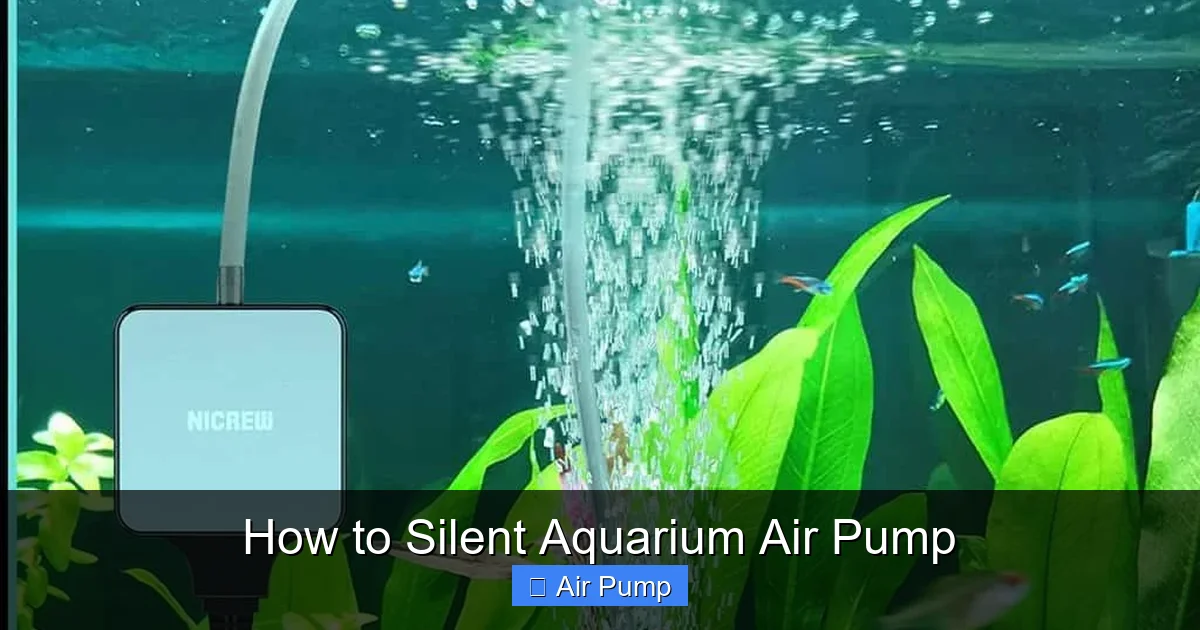
A noisy aquarium air pump can disturb both your fish and your peace. In this guide, you’ll learn easy methods to silence your air pump using practical techniques, DIY adjustments, and maintenance tips. Keep your aquarium quiet and your fish comfortable with these simple steps.
How to Silent Aquarium Air Pump
Having a quiet aquarium air pump is essential for a peaceful home or office environment. Noisy pumps can disturb your peace and even stress your fish. Luckily, there are many ways to reduce or eliminate the noise. This comprehensive guide will walk you through practical steps, DIY tips, and maintenance strategies to silent your aquarium air pump effectively. Whether you’re a beginner or experienced hobbyist, you’ll find useful advice to keep your tank serene.
Key Takeaways
- Identify the source of noise: Determine if the noise comes from the pump motor, tubing, or vibrations for targeted solutions.
- Choose a quiet pump: Investing in a low-noise or silent aquarium air pump can significantly reduce noise levels.
- Use vibration dampening: Applying foam pads or rubber mats under the pump minimizes vibrations and noise.
- Proper placement: Position your air pump away from the tank and in a soundproof area to reduce noise transmission.
- Maintain your pump: Regular cleaning and maintenance prevent excess noise caused by dirt or wear.
- DIY modifications: Simple DIY tricks like adding silencing materials or adjusting tubing can make a big difference.
Understanding Why Aquarium Air Pumps Are Noisy
Before we dive into solutions, it’s helpful to understand why air pumps make noise. The main causes are:
- Motor vibrations: The moving parts inside the pump generate vibrations that produce sound.
- Airflow turbulence: Air rushing through tubing and vents creates noise.
- Physical vibrations: Contact with surfaces transfers vibrations, amplifying the sound.
Knowing these causes helps you target specific solutions for a quieter setup.
Step 1: Choose a Low-Noise or Silent Air Pump
Research and Select the Right Pump
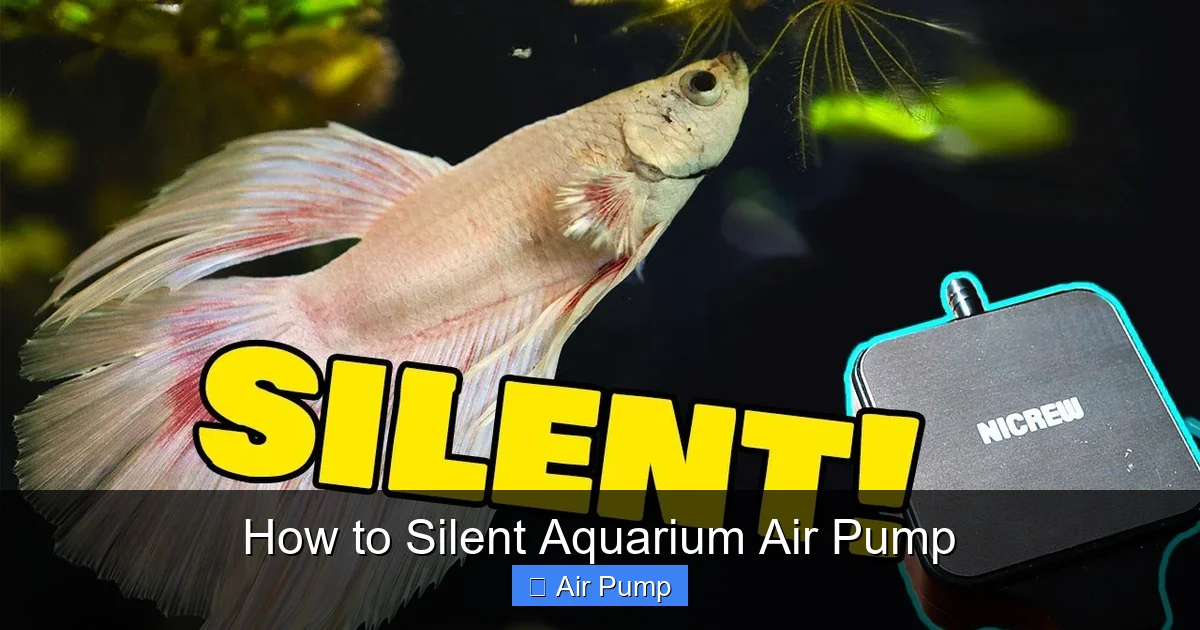
The first step in silencing your aquarium air pump is selecting a quiet model. Look for pumps specifically designed for silent operation. Features to consider include:
Visual guide about How to Silent Aquarium Air Pump
Image source: i.ytimg.com
- Brushless motors: These generate less vibration and noise.
- Noise ratings: Check product specifications for decibel (dB) levels; opt for models under 30 dB.
- Size and capacity: Choose a pump suitable for your tank size to avoid overworking it, which can cause more noise.
Recommended Brands and Models
Some popular quiet air pumps include Tetra Whisper Air Pump, Hydrofarm Active Aqua, and Eheim Air Pump. Read reviews and compare specs to find the best fit for your needs.
Step 2: Proper Placement of the Air Pump
Location Tips
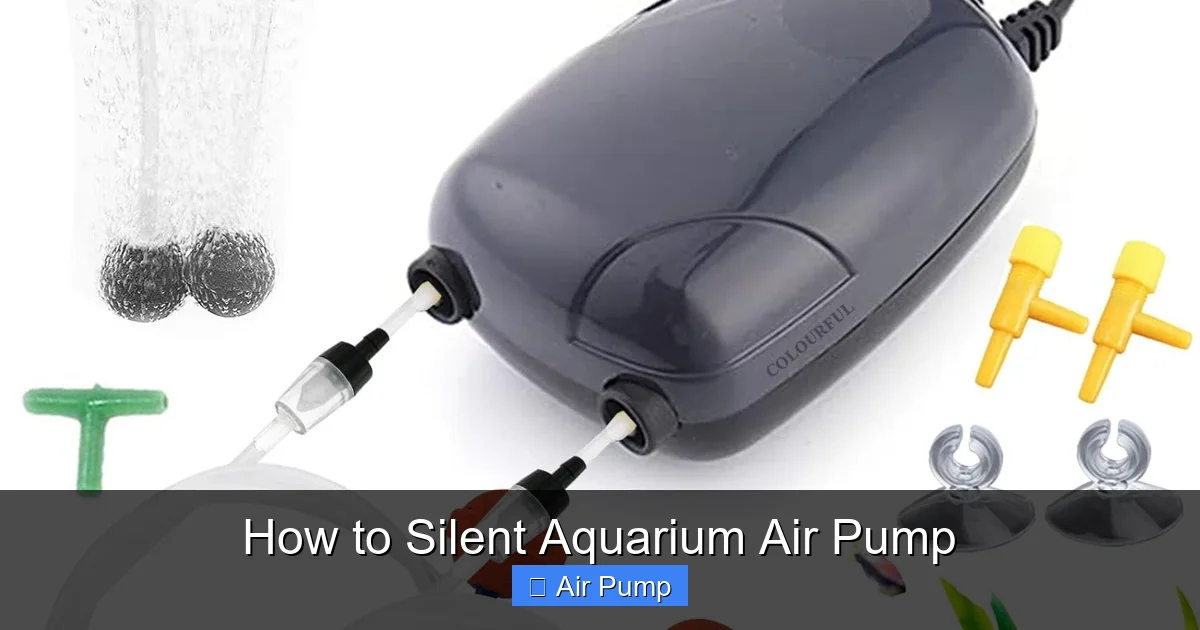
Where you place your air pump greatly influences noise levels. Follow these tips:
Visual guide about How to Silent Aquarium Air Pump
Image source: m.media-amazon.com
- Distance from the tank: Keep the pump at least several feet away from the aquarium to reduce transmitted vibrations.
- Soundproof area: Place it in a closet, cabinet, or a room with soundproofing materials.
- Elevation: Place the pump on a stable, elevated surface to prevent vibrations from transferring to the floor.
Use of Barriers
Creating physical barriers, like a foam enclosure, around the pump can dampen sound further. Just ensure there’s enough ventilation to prevent overheating.
Step 3: Vibration Dampening Techniques
Using Foam Pads or Rubber Mats
Vibrations from the pump are a major noise source. To minimize this:
- Place foam pads or rubber mats: Put them under the pump to absorb vibrations.
- DIY vibration dampers: Wrap the pump in soft materials like foam or felt for extra noise insulation.
Securing the Pump
Ensure the pump is stable and not wobbling. Use Velcro straps or brackets to keep it in place, reducing movement and noise.
Step 4: Optimize Airflow and Tubing
Use Quality Tubing
Choose smooth, wide-bore tubing to reduce airflow turbulence and noise. Avoid kinks and sharp bends.
Adjust Tubing Placement
Keep tubing loosely connected to prevent vibrations and rattling. Secure tubing with clips or zip ties, but avoid excessive tension.
Install Air Silencers
Adding an air silencer or muffler to the tubing can significantly reduce noise caused by airflow turbulence.
Step 5: Regular Maintenance and Cleaning
Clean the Pump
Over time, dirt and debris can cause the motor to work harder, increasing noise. Regularly clean the pump’s components according to the manufacturer’s instructions.
Replace Worn Parts
Check and replace worn diaphragms, filters, or other parts to keep the pump running smoothly and quietly.
Monitor and Adjust
Ensure the pump is functioning properly and make adjustments if noise levels increase.
Step 6: DIY Noise Reduction Tricks
Create a Soundproof Box
Build a simple enclosure using foam panels or thick cardboard lined with sound-absorbing material. Remember to allow ventilation for cooling.
Use Acoustic Foam
Line the area around the pump with acoustic foam panels to absorb sound waves and reduce noise transmission.
Apply Extra Padding
Wrap the pump in soft cloth or bubble wrap, but ensure it doesn’t overheat.
Troubleshooting Common Issues
- Persistent loud noise: Check if the pump is damaged or misaligned. Consider replacing it with a quieter model.
- Vibration noises: Improve vibration dampening and ensure the pump is stable.
- Airflow issues: Clean or replace tubing and check for kinks or blockages.
Conclusion
Silencing your aquarium air pump doesn’t require complex tools or expensive equipment. By choosing a low-noise model, optimizing placement, damping vibrations, and performing regular maintenance, you can enjoy a peaceful, quiet tank. Remember, small adjustments can make a big difference. Keep your fish happy and your space tranquil with these simple tips!
Additional Tips
- Always follow the manufacturer’s instructions for maintenance.
- Consider combining multiple methods—like using a silent pump and vibration dampening—for best results.
- Test noise levels after each adjustment to find what works best for your setup.
