

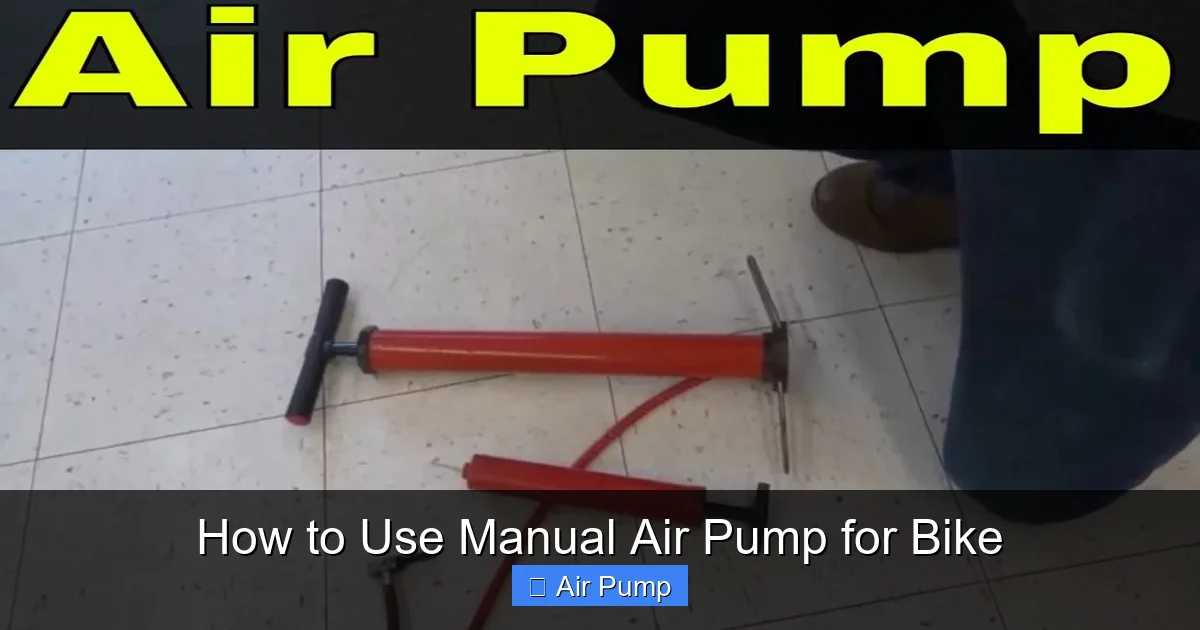
A manual air pump is an essential tool for every cyclist. In this guide, you’ll learn how to use a manual air pump for your bike, ensuring your tires stay properly inflated for safe and smooth rides. Follow our simple steps, tips, and troubleshooting advice to become confident in maintaining your bike tires.
How to Use Manual Air Pump for Bike
Keeping your bike tires properly inflated is key to safe and comfortable riding. A manual air pump is a simple, reliable tool that every cyclist should have. If you’re new to bike maintenance or just want to refresh your skills, this guide will walk you through the process of using a manual air pump effectively. We’ll cover everything from choosing the right pump to troubleshooting common issues, so you can confidently keep your bike in top shape.
Key Takeaways
- Choose the right pump: Use a pump compatible with your bike’s valve type (Presta or Schrader).
- Check tire pressure: Know your tire’s recommended PSI before inflating.
- Properly attach the pump: Ensure the pump head is securely connected to avoid air leaks.
- Use steady pressure: Pump with controlled, steady strokes for efficient inflation.
- Monitor pressure: Use a pressure gauge if available to avoid over-inflation.
- Regular maintenance: Keep your pump clean and store it properly for longevity.
Understanding Your Bike’s Valve Types
Before we dive into how to use the pump, it’s important to identify your bike’s valve type. Most bikes have one of two types:
- Presta Valve: Thin, tall valve with a small locknut at the top. Common on road bikes and high-performance bikes.
- Schrader Valve: Wider, similar to car tire valves. Found on many mountain bikes and hybrids.
Knowing your valve type ensures you select the right pump head and accessories for a secure fit.
Step 1: Choose the Correct Manual Air Pump
Check Compatibility
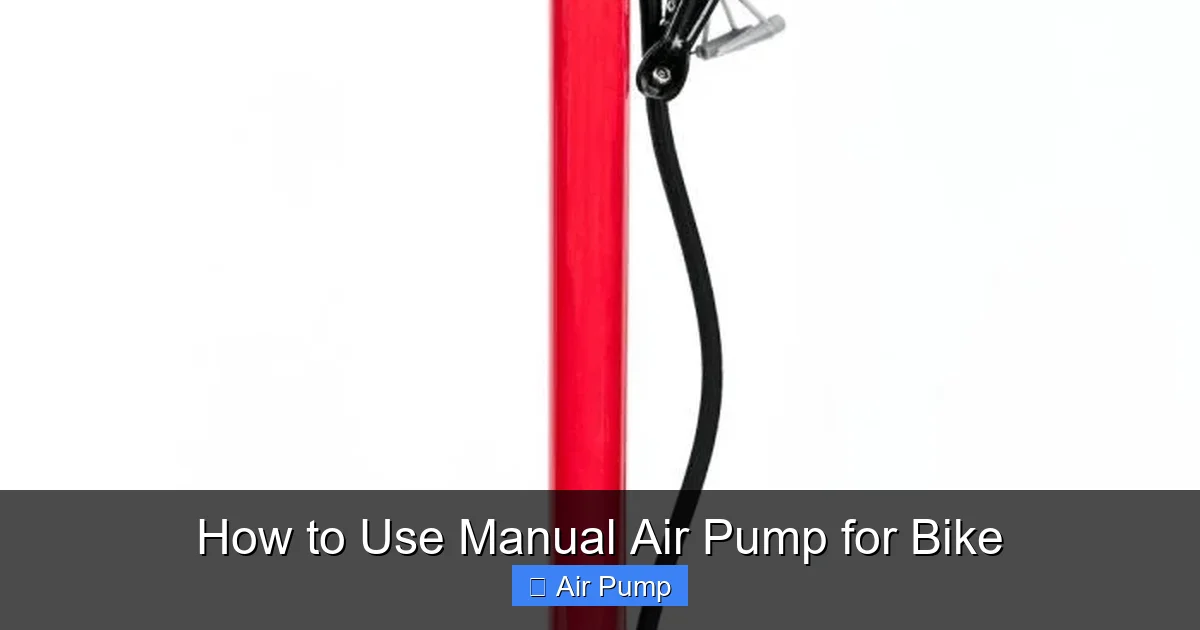
Make sure your pump is compatible with your valve type. Most pumps come with dual heads or adapters for both Presta and Schrader valves. If your pump doesn’t, you might need to purchase an adapter.
Visual guide about How to Use Manual Air Pump for Bike
Image source: tech-outdoors.com
Assess Pump Quality
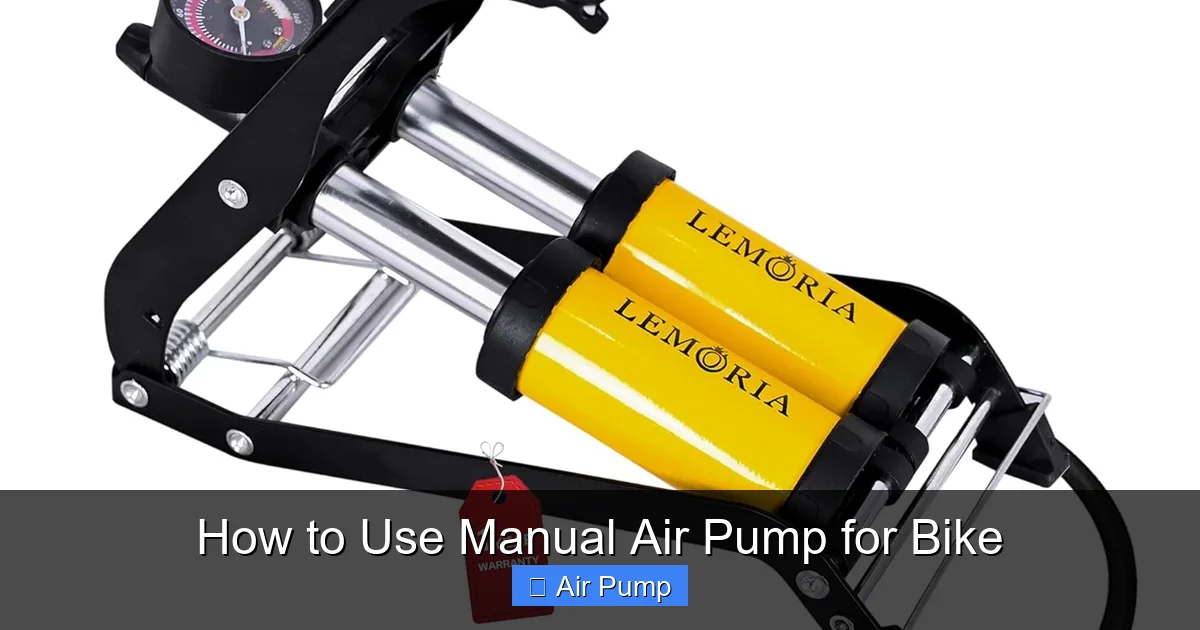
Opt for a sturdy, well-built pump with a comfortable handle. A pump with a built-in pressure gauge can help you monitor PSI easily. Manual pumps come in various sizes; choose one that’s portable yet powerful enough for your needs.
Step 2: Prepare Your Bike and Pump
Remove the Valve Cap
Unscrew the cap on your bike’s valve and set it aside. Keep it in a safe place so you don’t lose it.
Visual guide about How to Use Manual Air Pump for Bike
Image source: m.media-amazon.com
Inspect the Pump and Components
Check the pump for any damage or dirt. Clean the nozzle if needed to ensure a good seal.
Step 3: Attach the Pump to Your Bicycle Valve
Identify the Pump Head
Most manual pumps have a head with a lever or a screw mechanism. Make sure you understand how to secure the head onto the valve.
Attach the Pump Head Securely
- For Presta valves: Unscrew the small locknut at the top of the valve (if present). Attach the pump head, then tighten the locknut if your pump has one.
- For Schrader valves: Simply press the pump head onto the valve. Some pumps have a lever you need to flip to lock in place.
Ensure the connection is tight to prevent air leaks during pumping.
Step 4: Pump Air into the Tire
Start Pumping
Hold the pump handle and begin to pump with steady, controlled strokes. Do not rush; smooth, consistent pressure helps avoid damaging the valve or causing leaks.
Monitor the Pressure
If your pump has a built-in pressure gauge, watch the PSI as you pump. If not, you’ll need to use an external gauge or check the recommended PSI on your tire sidewall.
Stop at the Correct PSI
Once you reach the recommended pressure, stop pumping. Over-inflating can make your tires less safe and more prone to punctures.
Step 5: Detach the Pump and Final Checks
Remove the Pump Head Carefully
Release the pump head by flipping the lever or unscrewing it, depending on your pump design. Do this gently to prevent air from escaping.
Replace the Valve Cap
Screw the valve cap back onto the valve to keep dirt and debris out. This also helps maintain proper pressure.
Inspect Your Tire
Check your tire for any bulges or unevenness. Confirm the pressure with a gauge if possible.
Practical Tips for Using a Manual Air Pump
- Keep your pump in your bike tools kit: Always have it ready for quick repairs during rides.
- Use a pressure gauge: For accurate inflation, especially if your pump doesn’t have a built-in gauge.
- Inflate in increments: Check pressure frequently to avoid over-inflation.
- Store your pump properly: Keep it in a dry, accessible place to extend its lifespan.
- Regularly check your tires: Properly inflated tires last longer and perform better.
Troubleshooting Common Issues
Leakage During Pumping
If air escapes at the connection, ensure the pump head is securely attached and the valve is properly engaged. Recheck the fit and tighten as needed.
Difficulty Attaching the Pump
Make sure you are aligning the pump head correctly with your valve. Some valves may be recessed or have a tight fit; take your time to attach firmly.
Inability to Reach Desired PSI
This could be due to a faulty pump or a leak. Check for leaks, and consider using a different pump or external gauge for accuracy.
Conclusion
Using a manual air pump for your bike is a simple skill that ensures your tires are always ready for the road. With proper technique and regular maintenance, you can keep your bike performing at its best. Remember to choose the right pump, attach it securely, pump steadily, and monitor the pressure. Happy cycling!
Final Tips
- Practice attaching and detaching your pump before you need it.
- Keep your pump clean and free of dirt and debris.
- Check your tire pressure regularly, especially before long rides.
