


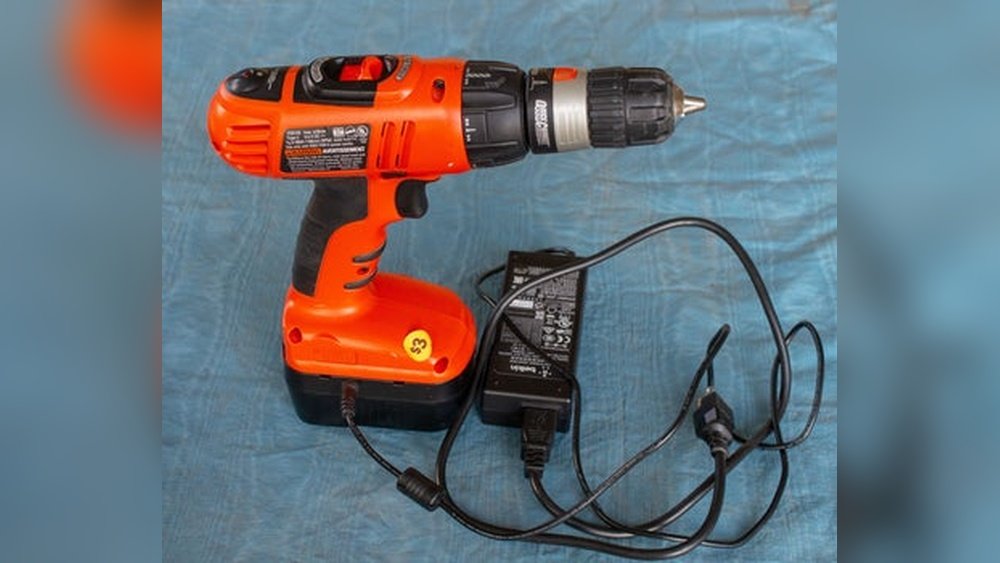
Have you ever been in the middle of a project when your cordless drill suddenly dies? It’s frustrating, right?
What if you could turn that cordless drill into a corded one and never worry about battery life again? You’re about to discover a simple way to keep your drill powered up without stopping. Keep reading, and you’ll learn how to make this quick conversion yourself—saving time, money, and hassle on your next job.
Tools And Materials Needed
To convert a cordless drill to a corded one, you need specific tools and materials. The right items make the process easier and safer. Prepare everything before starting the project.
This section explains what tools and materials you need. It helps you gather the correct parts and avoid mistakes.
Selecting The Right Drill
Choose a cordless drill with a simple design. Older models often work best. Avoid drills with complex electronics inside. Make sure the drill is in good condition. A well-maintained drill lasts longer after conversion.
Required Tools
You will need a soldering iron for connecting wires. Wire cutters and strippers help prepare cables. A screwdriver set is important for opening the drill case. Use electrical tape to secure connections. A multimeter checks voltage and continuity. Safety gloves protect your hands during work.
Choosing Power Supply Components
Pick a power supply that matches the drill’s voltage. A 110V or 220V adapter usually works. Look for a power supply with enough current output. A plug and cable provide the corded connection. Use a voltage regulator if needed. This keeps power steady and safe for the drill.
Safety Precautions
Converting a cordless drill to a corded one involves working with electricity. Safety is the top priority. Taking the right precautions prevents accidents and injuries. Follow all safety steps carefully to protect yourself.
Handling Electrical Components
Always unplug tools before starting any work. Check wires for damage before use. Use insulated tools to avoid electric shocks. Keep the work area dry and clean. Avoid touching metal parts while the drill is plugged in. Double-check connections before powering the drill.
Using Protective Gear
Wear safety glasses to protect your eyes. Use gloves to shield your hands from cuts and shocks. Wear closed-toe shoes to protect your feet. Avoid loose clothing that can catch on parts. Keep your hair tied back during work. Protective gear reduces the risk of injury.
Preparing The Drill
Preparing the drill is the first step to convert a cordless drill into a corded one. This process needs care and attention. It ensures the drill is ready for safe modification. Understanding the drill’s parts helps avoid damage and keeps you safe. Start by removing the battery pack. Then, access the internal wiring for the next steps.
Removing The Battery Pack
Remove the battery pack from the drill. This step is crucial to avoid electric shock. Most cordless drills have a release button or latch near the battery. Press or slide this to detach the battery pack. Keep the battery away from your workspace. This prevents accidental power flow during the conversion process. Make sure the drill is off before starting.
Accessing Internal Wiring
Next, open the drill casing to find the internal wiring. Use a screwdriver to remove screws holding the casing. Place screws safely so you don’t lose them. Carefully separate the two halves of the drill body. Inside, locate the wires connected to the battery terminals. Take note of wire colors and connections. This helps in reconnecting wires to the power cord later. Handle all parts gently to avoid damage.
Wiring The Power Supply
Wiring the power supply is a key step in converting a cordless drill to a corded one. It involves connecting the drill to a steady power source. Proper wiring ensures the drill runs safely and efficiently. Pay close attention to each part of the process for the best results.
Connecting To A Power Adapter
Choose a power adapter that matches the drill’s original battery voltage. Look for adapters with correct output voltage and a suitable plug size. Connect the adapter’s positive wire to the drill’s positive terminal. Attach the negative wire to the drill’s negative terminal. Make sure to keep the wires from touching each other.
Ensuring Proper Voltage And Current
Check the drill’s voltage rating before wiring. Use an adapter that supplies the right voltage to avoid damage. The current rating of the adapter should meet or exceed the drill’s needs. Too low current causes overheating. Too high voltage can burn the drill’s motor. Measuring with a multimeter helps confirm correct values.
Securing Connections
Use solder or wire connectors for strong connections. Wrap wires with electrical tape to prevent shorts. Avoid loose connections that cause sparks or power loss. Place heat shrink tubing around soldered areas. Secure all wires neatly to avoid strain on the connections. This step improves safety and durability.
Testing The Modified Drill
Testing the modified drill is a crucial step after converting a cordless drill to a corded one. It helps ensure safety and proper function. This phase confirms that the drill runs smoothly on the new power source. It also reveals any issues early before using the drill for work.
Careful testing protects the drill from damage and keeps the user safe. Follow each test step with attention. Take notes of any unusual signs or sounds during the tests.
Initial Power-on Test
Plug the drill into the power outlet. Keep your hand clear of the drill bit. Switch the drill on briefly to check power flow. The drill should start running without hesitation. Listen for any strange noises or vibrations. If it doesn’t start, unplug and check all connections. Confirm the wiring is secure and correct. Repeat the power-on test only after fixing any issues found.
Checking For Overheating Or Malfunctions
Run the drill at low speed for a few minutes. Touch the drill housing carefully to feel heat levels. It should be warm but not hot. Watch for smoke or burning smells. These signs indicate electrical problems or poor wiring. Check the drill switch and motor for smooth operation. Stop testing immediately if overheating occurs. Let the drill cool down before further use. Proper ventilation and wiring prevent overheating. Make sure the cord and plug stay cool during use.

Credit: www.instructables.com
Final Assembly And Mounting
The final assembly and mounting step is crucial for a safe and stable drill conversion. At this stage, you ensure the power cable is firmly attached and all wires are protected. Proper assembly prevents electrical hazards and keeps the drill working smoothly.
Take your time with this step. It sets the foundation for your new corded drill’s durability and performance.
Securing The Power Cable
Start by attaching the power cable to the drill body. Use a cable clamp or zip ties to hold it tightly. This stops the cable from moving or pulling loose during use. Make sure the cable enters the drill housing at a safe angle. Avoid sharp bends that can damage the wire inside. Tighten screws or fasteners to hold the clamp firmly in place. Check that the cable is secure but not pinched or stretched.
Enclosing Exposed Wires
Cover all exposed wires with electrical tape or heat shrink tubing. This protects against short circuits and electric shocks. Wrap tape evenly and smoothly to avoid gaps. For extra safety, place wires inside a plastic or rubber sleeve. Reassemble the drill casing carefully, ensuring no wires get trapped or pinched. Test the drill by plugging it in briefly to confirm it works well. Safe wiring is key to a reliable corded drill conversion.
Troubleshooting Common Issues
Troubleshooting is a key step after converting a cordless drill to a corded one. Problems can occur during or after the process. Identifying common issues helps fix the drill quickly and safely.
Some issues may seem complex but have simple solutions. Knowing what to check first saves time and frustration. Below are common problems and ways to address them.
Power Fluctuations
Power fluctuations cause the drill to run unevenly. This can happen if the power supply is unstable. Check the power source and connections. Loose wires or poor contacts often cause this problem.
Make sure the adapter matches the drill’s voltage. Using the wrong voltage can cause damage. Tighten all connections and test again. A stable power source ensures smooth operation.
Motor Not Running
The motor may not run if wiring is incorrect. Double-check all wiring connections. The positive and negative wires must be connected properly. Look for broken wires or loose joints.
Test the drill switch for proper function. A faulty switch can stop the motor. Use a multimeter to check continuity. Repair or replace damaged parts as needed.
Cable Damage
Cables can get damaged during the conversion. Check the cable for cuts or wear. Exposed wires can cause short circuits or shocks. Replace any damaged cable immediately.
Use strong, flexible cables suitable for power tools. Secure cables to avoid pulling or bending. Proper cable care extends the drill’s life and safety.

Credit: www.youtube.com
Tips For Long-term Use
Converting a cordless drill to a corded one can save money and increase work time. For long-term use, care and upgrades help keep the drill working well. Small efforts can extend its life and boost performance.
Maintaining The Drill
Clean the drill after each use. Dust and dirt can block vents and cause overheating. Check the cord for cuts or damage often. Replace damaged cords immediately to avoid shocks. Keep the chuck free from rust by applying light oil. Tighten loose screws to prevent parts from falling off. Store the drill in a dry place to avoid moisture damage.
Upgrading Power Supply
Use a power supply with steady voltage to protect the drill. A power adapter with enough wattage avoids overloading. Consider a surge protector to prevent damage from power spikes. Replace the original adapter if it shows wear or poor performance. Check the connection points often for corrosion or looseness. A stable power supply ensures smooth and safe operation.

Credit: www.youtube.com
Frequently Asked Questions
Can I Convert Any Cordless Drill To A Corded Drill?
Yes, most cordless drills can be converted. It requires adding a power adapter and modifying the battery compartment carefully.
What Tools Do I Need For This Conversion?
You need a power supply adapter, soldering iron, wires, and basic hand tools like screwdrivers and pliers.
Is Converting Safe For The Drill’s Motor And Electronics?
If done properly, yes. Ensure correct voltage and secure connections to avoid damage or overheating.
Will The Drill Performance Improve After Conversion?
The drill gets continuous power, so it won’t run out of charge. Performance depends on power supply quality.
Conclusion
Converting a cordless drill to a corded one saves battery troubles. You get constant power without stopping. The process is simple and cost-effective. Just follow the steps carefully for safety. This change can make your work easier and faster. Keep your tools ready anytime with steady electricity.
Try this method and see the difference yourself. It’s a smart way to use your drill longer. No more waiting for charging or replacing batteries. A steady power source means less hassle and more work done.
