


Have you ever wondered if you can get a shock from a cordless drill? It’s a question that might cross your mind when you’re working on a project or fixing something around the house.
You want to stay safe, but you also want to use your tools with confidence. You’ll discover the truth about cordless drills and electrical shocks. By the end, you’ll know exactly how to protect yourself and keep your work smooth and worry-free.
Keep reading to learn what every drill user needs to understand.

Credit: www.ebay.com
How Cordless Drills Work
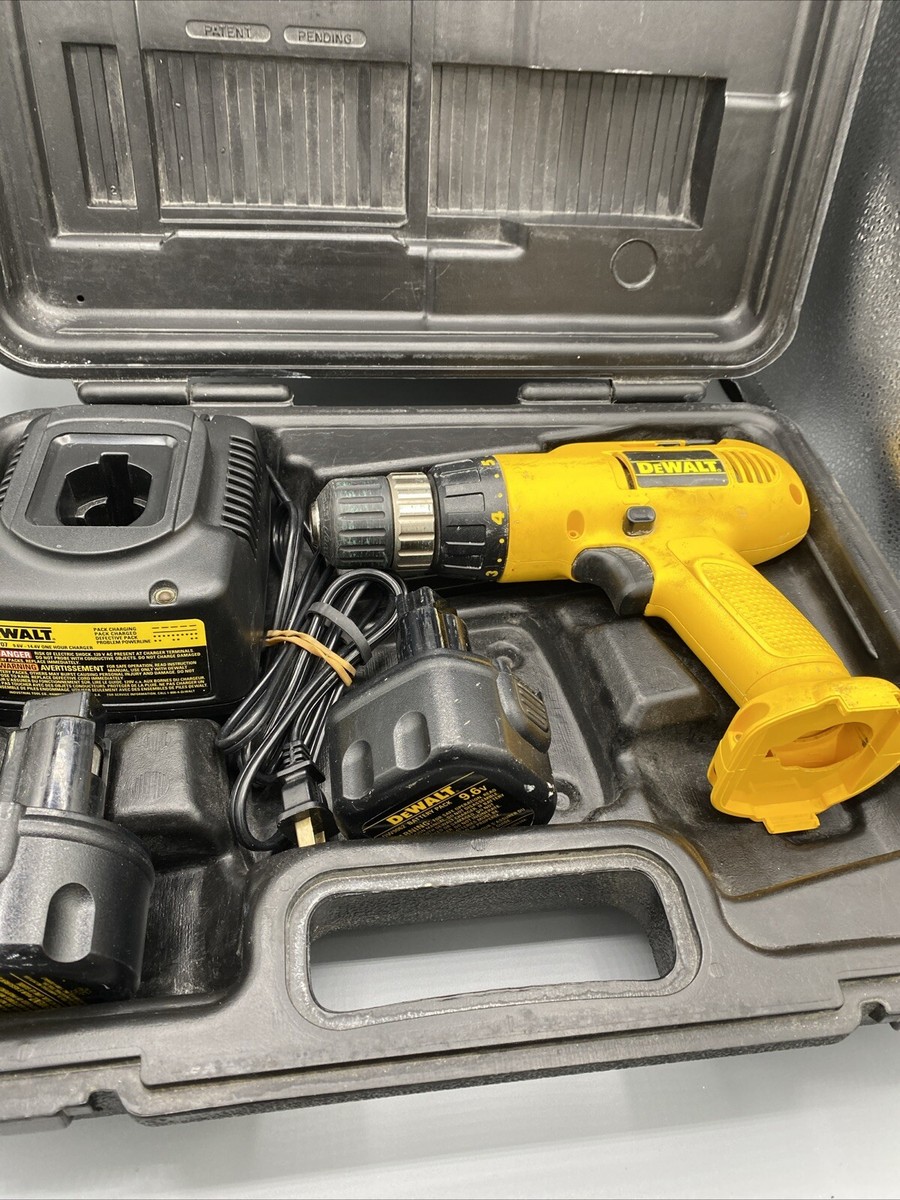
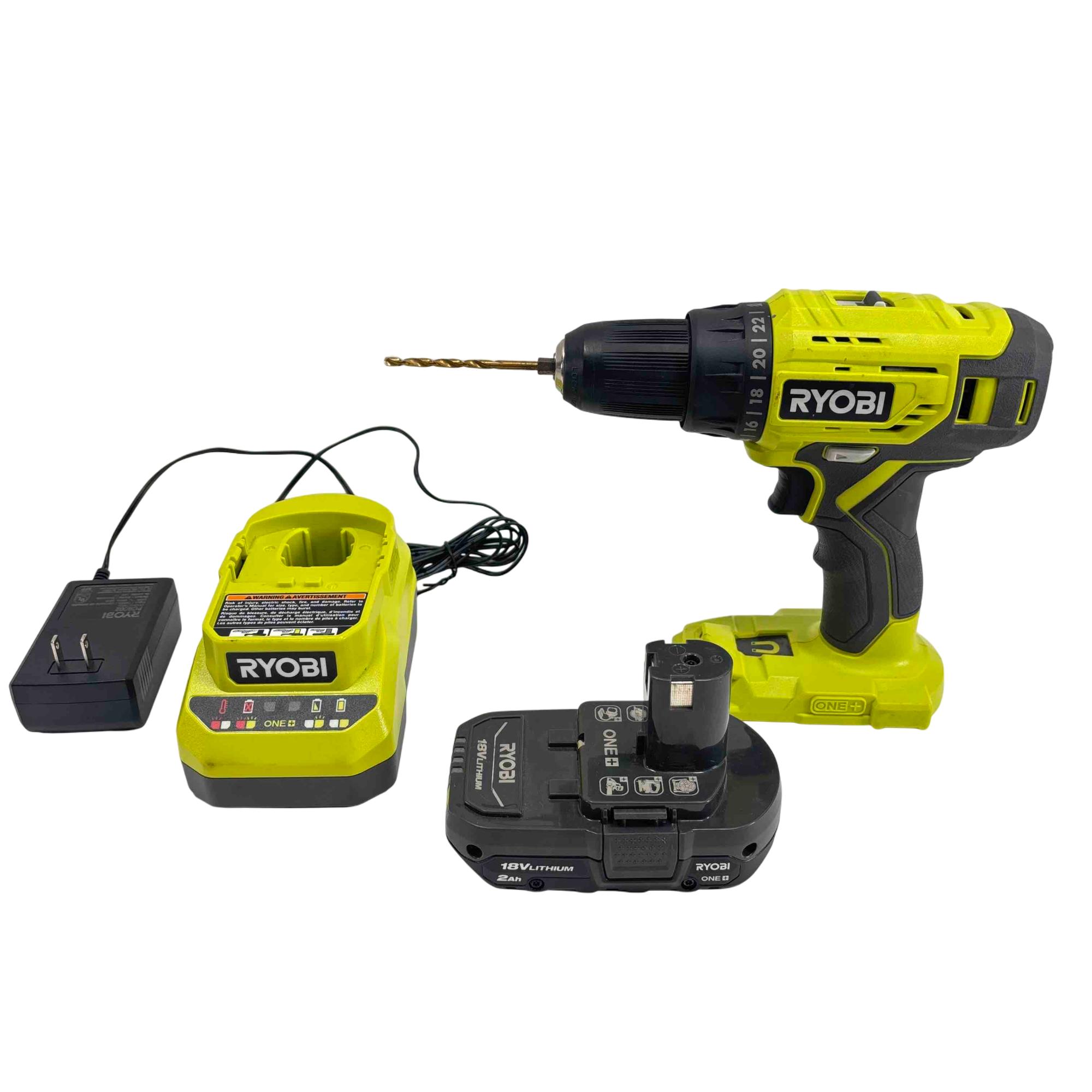
Cordless drills run on batteries and do not need wires. This makes them easy to carry and use anywhere. They have parts inside that help turn the drill bit fast. The drill uses electricity from the battery to power the motor. This motor then spins the drill bit to bore holes or drive screws.
Understanding the main parts inside helps know how safe these tools are. The design keeps the user safe from electric shock. Let’s look at the key features that make cordless drills work.
Battery And Power Source
The battery is the main power source for cordless drills. It stores electrical energy that runs the motor. Most drills use rechargeable lithium-ion batteries. These batteries give strong power and last long.
Battery packs are removable. You can charge them separately from the drill. This makes the drill handy and easy to use in places without power outlets.
Electrical Components Inside
Inside the drill, wires connect the battery to the motor. The motor changes electricity into motion. This makes the drill bit spin fast. There is also a switch to control the power flow.
The drill has circuits to manage the power safely. These parts stop too much electricity from flowing. This helps avoid damage and electric shocks.
Safety Features Built In
Cordless drills have safety features to protect users. The battery and motor are sealed inside plastic cases. This stops contact with live wires. Many drills include a fuse that cuts power during faults.
The drill’s design keeps the electrical parts away from the user’s hands. This lowers the chance of getting an electric shock. Using the drill properly keeps it safe and efficient.
Potential Causes Of Electric Shock
Electric shocks from cordless drills can happen if the battery or wires are damaged. Wet hands or broken insulation may also cause shocks. Using the drill with care helps prevent accidents.
Electric shock from a cordless drill can happen for several reasons. Understanding the causes helps you stay safe while using the tool. Most shocks occur due to problems in the drill’s wiring, battery, or the environment around you.
Knowing these causes lets you spot risks early. This way, you can avoid accidents and keep your work safe and smooth.
Damaged Or Exposed Wiring
Wiring inside a cordless drill can wear out over time. If the wires break or the insulation cracks, electricity can leak. Touching these exposed wires can give you a shock. Always check your drill’s cord and internal wiring for damage before use.
Faulty Battery Or Charger
Batteries and chargers power cordless drills. A faulty battery may have internal shorts or leaks. A damaged charger can deliver wrong voltage or current. Both issues increase the chance of electric shock. Use only original batteries and chargers to reduce risk.
Contact With Wet Surfaces
Water and electricity do not mix well. Using a cordless drill on wet surfaces raises shock risks. Moisture can cause electricity to travel through the tool’s parts. Keep your drill dry and avoid working in wet conditions to stay safe.
Real Risk Of Getting Shocked
Using a cordless drill is common in many homes and workshops. Many wonder about the risk of electric shock when using these tools. Understanding the real risk helps keep users safe and confident while working.
Voltage Levels In Cordless Drills
Cordless drills run on batteries, usually between 12 to 20 volts. This voltage is low compared to household electricity. Low voltage means the chance of a serious shock is very small. Batteries inside are sealed, reducing exposure to electrical parts.
Comparison With Corded Tools
Corded tools connect to wall outlets with 110 or 220 volts. This high voltage can cause dangerous shocks if handled wrongly. Cordless drills have no direct connection to mains power. This makes them safer from electric shock risks.
User Error And Common Mistakes
Most shocks come from user mistakes, not the tool itself. Using a damaged charger or wet hands can increase risk. Opening the drill’s battery compartment might expose electrical parts. Always follow safety instructions and inspect tools regularly.
Preventing Electric Shock
Electric shock from a cordless drill is rare but possible. Taking steps to prevent shock keeps you safe. Follow simple rules to reduce risks. Focus on maintenance, handling, and protective gear.
Regular Maintenance Tips
Check your drill often for damage. Look for cracks or frayed wires. Replace worn parts quickly. Keep the battery contacts clean and dry. Store the drill in a dry place. Avoid using a drill with loose parts.
Safe Handling Practices
Always hold the drill firmly with both hands. Keep your hands away from the drill bit. Avoid using the drill near water or wet surfaces. Turn off and unplug the battery before changing bits. Do not force the drill to work too hard. Use the right drill bit for the job.
Using Protective Gear
Wear rubber gloves to reduce electric shock risk. Use safety glasses to protect your eyes. Wear non-slip shoes to keep steady. Avoid loose clothing that can catch in the drill. Use ear protection if the drill is loud. Proper gear keeps you safe and comfortable.
What To Do If Shocked
Getting a shock from a cordless drill can be scary. Knowing what to do next is very important. Acting fast can reduce harm and keep you safe. This section explains the steps to take after a shock.
Immediate Actions
Stop using the drill right away. Do not touch the tool if it still shocks you. Turn off the power source if possible. Move away from the tool and stay calm. Check yourself for any burns or pain. If you feel weak or dizzy, sit down carefully.
When To Seek Medical Help
Call a doctor if you have chest pain or trouble breathing. Get help if your muscles hurt or you feel numb. Visit a clinic if the shock caused burns or cuts. Even small shocks can cause hidden health problems. It is better to be safe and see a doctor.
Reporting And Repairing The Tool
Tell the store or company where you bought the drill. Report the shock and explain what happened clearly. Stop using the drill until a professional checks it. Have a certified technician repair or inspect the tool. Do not try to fix electrical parts yourself.
Credit: www.ebay.com
Myths Vs Facts About Cordless Drills
Many people wonder if cordless drills can cause electric shocks. Some stories spread fear about these handy tools. It is important to separate myths from facts. Understanding the truth helps you use cordless drills safely and confidently.
Common Misconceptions
Some think cordless drills carry dangerous electric shocks. This idea comes from traditional corded tools. Cordless drills use batteries, not direct electricity. They are low voltage devices. The chance of shock from a cordless drill is very low.
Others believe water or wet hands make cordless drills risky. While it is best to avoid water with any tool, cordless drills are less risky than corded ones. Still, safety rules apply to all power tools.
Expert Opinions
Experts say cordless drills are safe if used correctly. The battery power is not strong enough to cause serious shocks. Manufacturers build extra safety measures in these tools. They test drills to meet safety standards. Experts remind users to check batteries and cords for damage.
Electricians advise using drills with dry hands and on dry surfaces. Wearing gloves can add a layer of protection. Following basic safety tips prevents most accidents.
Safety Myths Busted
Myth: Cordless drills can shock you like a wall socket. Fact: Batteries deliver low voltage, much safer than outlets.
Myth: You cannot use a cordless drill in damp places. Fact: Use caution, but the risk is much less than with corded drills.
Myth: Old batteries increase shock risk. Fact: Old batteries may cause tool failure, not shocks. Replace worn batteries for best safety.
Knowing facts helps reduce fear and encourages safe use. Cordless drills are safe tools with smart handling.
Credit: www.pawnamerica.com
Frequently Asked Questions
Can A Cordless Drill Give You An Electric Shock?
Yes, a cordless drill can cause a mild electric shock if its battery or wiring is damaged. Proper handling and regular inspection reduce this risk significantly.
How To Prevent Shocks From A Cordless Drill?
Always use the drill with dry hands, inspect the battery and wiring, and avoid drilling into live electrical wires. Wearing insulated gloves adds extra protection.
Is It Safe To Use A Cordless Drill In Wet Conditions?
Using a cordless drill in wet conditions is risky and can increase shock chances. Always operate the drill in dry environments for safety.
Can A Faulty Battery Cause Shocks In Cordless Drills?
Yes, a faulty or damaged battery can leak current, causing electric shocks. Replace damaged batteries immediately and avoid using the drill until fixed.
Conclusion
Cordless drills usually do not give electric shocks. They use batteries, not direct electricity. Still, damaged wires or wet hands can cause shocks. Always check your drill before use. Keep it dry and in good condition. Use tools safely to avoid accidents.
Small steps prevent big problems. Stay alert and protect yourself while working. Safety matters most with any power tool.
