

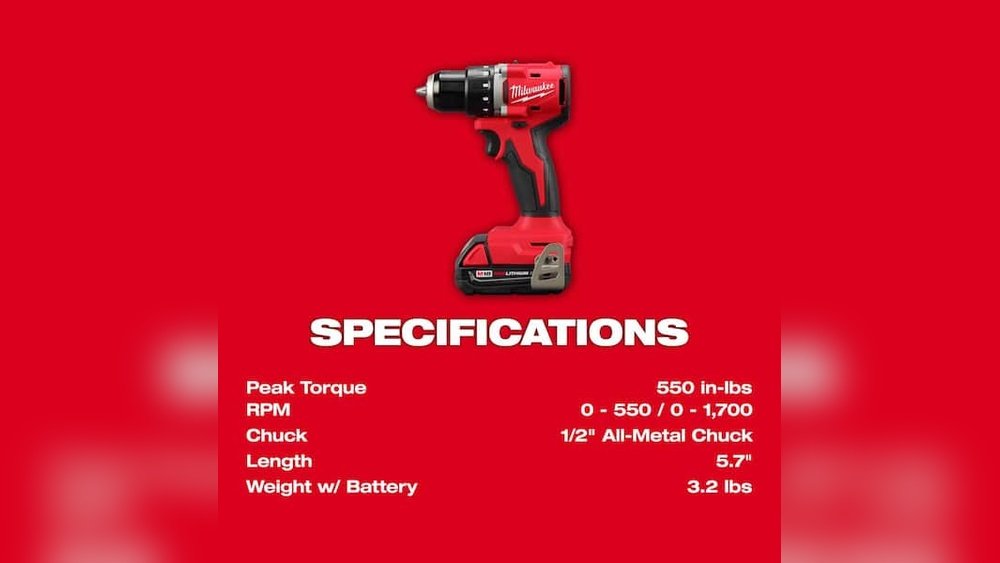
Are you tired of struggling with heavy tools that wear you out before you even start your project? Knowing how much a cordless drill weighs can make a huge difference in your comfort and efficiency.
Whether you’re a DIY enthusiast or a professional, the right weight can help you work longer without fatigue and improve your control. You’ll discover the typical weight range of cordless drills and why it matters for your next job. Keep reading to find out how to choose the perfect drill that fits your needs and keeps your hands happy.
Credit: www.ebay.com
Cordless Drill Weight Basics
Cordless drills are popular tools for many tasks. Their weight plays a big role in how easy they are to use. Knowing the weight helps you choose the right drill for your needs. This section explains the basics of cordless drill weight.
Average Weight Range
Most cordless drills weigh between 3 and 6 pounds. Lighter drills near 3 pounds are easier to handle. They suit small jobs and longer work periods. Heavier drills up to 6 pounds provide more power. These are better for tough materials and big projects.
Factors Influencing Weight
The battery size affects the drill’s weight a lot. Larger batteries give longer use but add weight. The motor type also matters. Brushless motors tend to be lighter and more efficient. The drill’s build materials influence weight too. Metal parts add weight, while plastic parts reduce it.
Credit: www.homedepot.com
Battery Impact On Weight
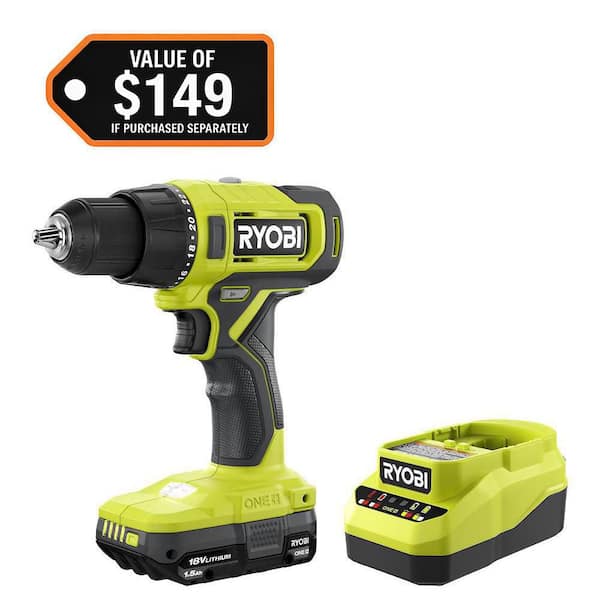
The battery has a big effect on the total weight of a cordless drill. It is one of the heaviest parts of the tool. The type and size of the battery change the drill’s weight. Understanding this helps you choose a drill that feels comfortable to use for longer times.
Types Of Batteries Used
Cordless drills mainly use three battery types: nickel-cadmium, nickel-metal hydride, and lithium-ion. Nickel-cadmium batteries are heavier and older. Nickel-metal hydride batteries weigh less but have less power. Lithium-ion batteries are the lightest and most powerful. Most new drills use lithium-ion batteries for their light weight and strong energy.
Battery Size And Weight
Bigger batteries hold more power but add more weight. Small batteries make the drill lighter but run out faster. The size depends on the drill’s power needs. For heavy tasks, a large battery is common. For small jobs, a smaller battery keeps the drill easy to handle.
Battery Life Vs. Weight Tradeoff
Long battery life means a heavier drill. Short battery life means less weight but more charging breaks. Choose a battery that fits your work style. If you work long hours, a heavier battery may help. For quick jobs, a lighter drill with a shorter battery life works well.
Material And Build
The material and build of a cordless drill play a big role in its weight. Different materials affect how heavy or light the drill feels. The design also matters for comfort and ease of use.
Many manufacturers focus on making drills lighter without losing strength. This balance helps users work longer without feeling tired.
Lightweight Materials
Most cordless drills use plastic for the outer shell. This plastic is strong but light, cutting down the drill’s total weight. Some drills also use aluminum parts inside. Aluminum helps keep the drill light while adding strength.
Battery packs add weight too. Newer batteries use lithium-ion technology. These batteries weigh less than older types. This change makes the whole drill easier to carry.
Durability Considerations
Lightweight does not mean weak. Many drills use tough plastics that resist cracks and breaks. Some models have rubber grips and seals. These parts protect the drill from drops and dust.
Metal parts inside the drill help it last longer. Gearboxes and motors often contain steel. This metal keeps the drill working well even after heavy use.
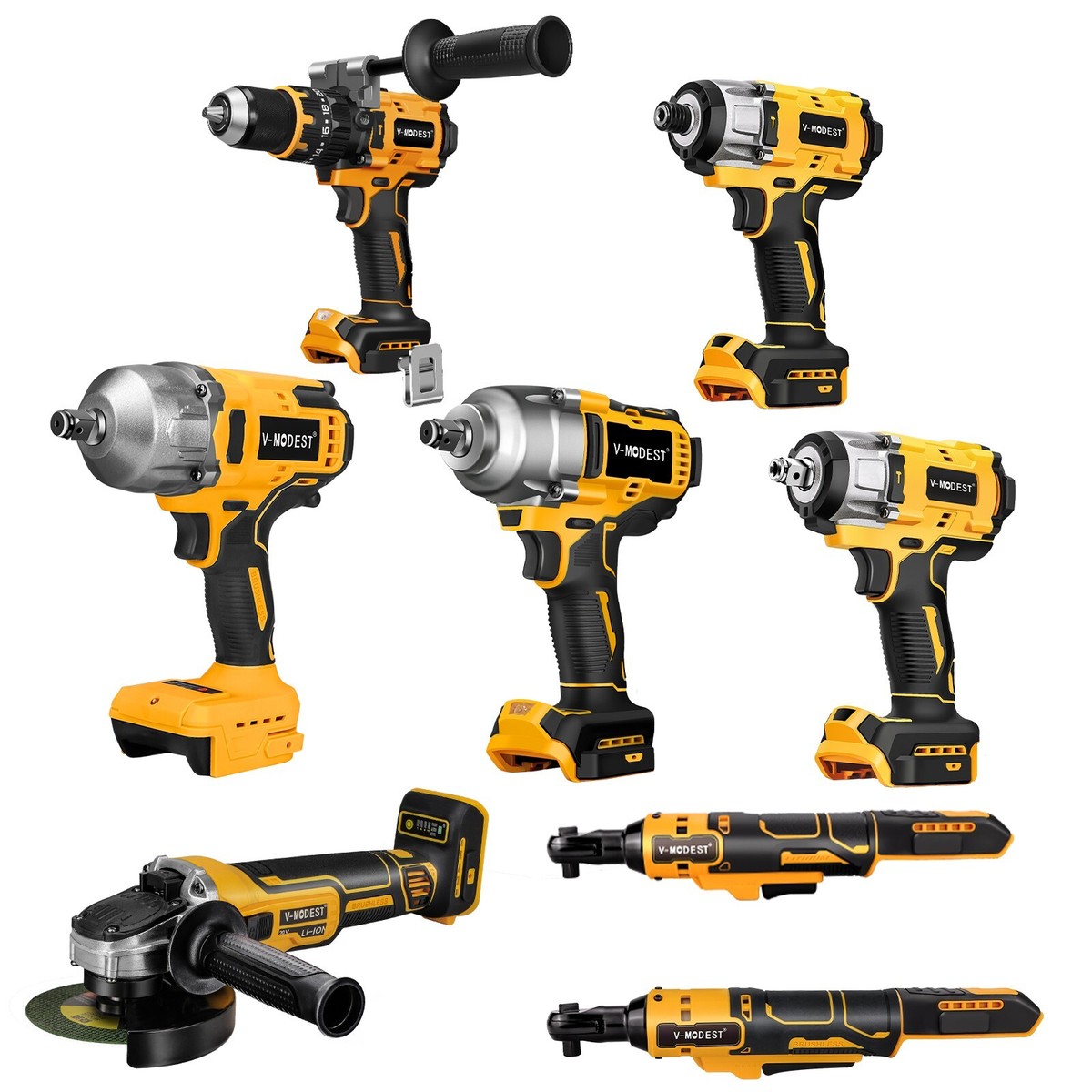
Weight By Drill Type
The weight of a cordless drill depends greatly on its type. Different drills serve different purposes. Their weight affects how easy they are to hold and use. Understanding weight by drill type helps you choose the right tool. Below, explore the average weights of common cordless drill types.
Compact Drills
Compact drills are small and light. They usually weigh between 2 to 4 pounds. Their lightweight design makes them perfect for quick jobs. You can easily carry them around or use them for long periods. Compact drills are ideal for light tasks and tight spaces.
Standard Drills
Standard drills are a bit heavier. They often weigh between 4 to 6 pounds. These drills offer more power and battery life. They balance weight and strength for everyday use. Standard drills work well for most home projects and repairs.
Heavy-duty Drills
Heavy-duty drills are the heaviest type. Their weight ranges from 6 to 8 pounds or more. These drills provide maximum power for tough jobs. The extra weight helps with control and stability. Heavy-duty drills are best for professional use and large projects.
Ergonomics And Handling
Ergonomics and handling are key when choosing a cordless drill. A drill that feels good in hand helps you work better and longer. Weight affects comfort, but balance and grip matter just as much. A well-designed drill reduces strain and improves control.
Balance And Grip
Balance means how weight spreads in the drill. A balanced drill feels steady and easy to move. It does not pull your wrist down or forward. Grip is how you hold the drill. Soft, textured handles stop slipping. They give a firm, comfortable hold. Good grip and balance together make drilling smooth and precise.
User Fatigue Factors
Heavy drills cause tired hands and arms fast. Poor balance adds pressure on your wrist. Hard grips can hurt your fingers after time. Vibration from the drill also wears you down. Choosing a light drill with soft grip lowers fatigue. This lets you work longer without pain. Small changes in weight and design help a lot.
Weight Vs. Performance
The weight of a cordless drill affects how easy it is to use. Lighter drills are easier to hold for long times. Heavier drills may feel hard to control but often have more power. Finding the right balance matters. You want a drill that works well and is comfortable.
Performance depends on many factors. Weight is one of them. Some heavy drills give strong power and speed. Others are light but may lack strength. Choosing the best drill means looking at both weight and what it can do.
Power Output Comparison
Heavier drills usually have bigger batteries. Bigger batteries give more power. This power helps in drilling tougher materials. Lighter drills often use smaller batteries. These batteries may run out faster. They work well for small jobs but not for heavy tasks.
Power output is measured in volts or amps. Higher numbers mean more power. Heavy drills tend to have higher volts. This means they can handle harder work. Light drills have lower volts but are easier to carry.
Speed And Torque Effects
Speed shows how fast the drill spins. Torque is the twisting force. Heavy drills usually have higher torque. This helps in driving screws and drilling thick wood. Light drills have lower torque but spin fast. Fast speed helps in light drilling and small screws.
Choosing speed and torque depends on the job. High torque is good for tough work. High speed suits quick, easy tasks. Weight influences these features. Heavy drills often offer more torque and steady speed. Light drills are good for quick, less forceful jobs.
Choosing The Right Weight
Choosing the right weight for your cordless drill matters a lot. The weight affects how long you can use it without feeling tired. It also changes how easy it is to handle and control. Picking the right weight makes your work faster and safer.
Task Requirements
Think about the job you want to do. Heavy drills work well for tough materials like metal or thick wood. Lighter drills suit small jobs like hanging pictures or assembling furniture. Choose a drill weight that matches the task to avoid strain and get better results.
User Strength And Comfort
Consider your own strength and comfort. A drill too heavy can cause arm pain and reduce accuracy. A lighter drill feels easier to hold for long periods. Pick a weight that you can manage comfortably. This helps you work longer without feeling tired or sore.

Credit: www.familyhandyman.com
Top Lightweight Cordless Drills
Lightweight cordless drills make work easier and less tiring. They are best for long tasks and small jobs around the house. These drills offer good power without heavy weight. Choosing a light drill means better control and less strain on your hands and arms.
Many brands design drills that weigh less than 3 pounds. These tools balance strength and comfort well. You can carry them easily and use them for hours without fatigue. Here are some popular models and their pros and cons.
Popular Models
The Dewalt DCD771C2 is a top pick. It weighs about 3.6 pounds with the battery. It has good battery life and strong torque.
The Makita XFD10R is lighter at 3.3 pounds. It is compact and fits well in small hands. The battery charges quickly for fast work.
Bosch PS31-2A weighs only 2.8 pounds. It is easy to handle and perfect for light to medium jobs. It offers smooth speed control.
Pros And Cons
Lightweight drills reduce arm and wrist strain. They allow more precise drilling in tight spaces. Their smaller size is good for beginners and casual users.
Some lightweight models may lack power for heavy tasks. Battery life can be shorter in smaller drills. They may not fit well with large drill bits.
Overall, lightweight cordless drills are great for daily jobs. They make drilling simpler and less tiring. Choose one that fits your needs and hand size.
Frequently Asked Questions
How Much Does A Typical Cordless Drill Weigh?
A typical cordless drill weighs between 3 to 6 pounds. The weight varies depending on battery size and drill design. Lightweight models are easier to handle for extended use. Heavier drills offer more power but may cause fatigue faster.
Does Battery Size Affect Cordless Drill Weight?
Yes, larger batteries increase a cordless drill’s overall weight. Lithium-ion batteries are common and provide a good balance of weight and power. Smaller batteries reduce weight but may offer less runtime. Choose battery size based on your job needs.
Are Cordless Drills Heavier Than Corded Drills?
Cordless drills are generally heavier than corded models due to the battery pack. Corded drills are lighter but require a power source. Cordless drills offer more portability despite the extra weight. Weight differences depend on specific brands and models.
What Is The Lightest Cordless Drill Available?
The lightest cordless drills weigh around 2 to 3 pounds. These models are designed for light-duty tasks and easy maneuverability. They use smaller batteries to keep weight low. Ideal for DIY projects and overhead work.
Conclusion
Cordless drills come in different weights for different jobs. Lighter drills help reduce tired arms during long work. Heavier drills often have more power but can feel bulkier. Choosing the right weight depends on what you need. Think about how long you will use the drill each time.
Comfort and control matter a lot when working. Now you know how weight affects cordless drills. Use this to pick a drill that fits your needs well.
