

Are you wondering if hammer drill bits are universal? If you’ve ever picked up a hammer drill and hesitated about which bit to use, you’re not alone.
Choosing the right bit can save you time, effort, and money. But can one type of bit really fit all your drilling needs? Keep reading to find out the truth about hammer drill bits and how to make the best choice for your projects.
This simple knowledge could change the way you work with your tools forever.
Credit: www.diablotools.com
Hammer Drill Basics
Hammer drills are powerful tools designed to drill into hard materials. They combine regular drilling with a hammering action. This makes holes faster and easier in concrete, brick, and stone. Understanding how they work helps you choose the right drill and bits.
Not all drills are the same. Hammer drills have special features that set them apart. Knowing these features helps you use the tool safely and effectively.
How Hammer Drills Work
Hammer drills use two actions at the same time. The drill bit spins to cut into the material. At the same time, the drill moves forward and backward quickly. This hammering action breaks the surface, making drilling easier.
The hammering motion is different from a regular drill. It adds force to the bit, helping it penetrate tough surfaces. This is why hammer drills are ideal for masonry and concrete work.
Types Of Hammer Drills
There are two main types of hammer drills: rotary hammer drills and standard hammer drills. Standard hammer drills are lighter and best for small jobs. They work well on brick and soft concrete.
Rotary hammer drills are heavier and more powerful. They use a piston mechanism for stronger hammering. These drills handle big projects and hard materials with ease.
Each type uses different bits. Knowing the type helps pick the right bit for your project.
Drill Bit Compatibility
Drill bit compatibility is key to getting the best results from your hammer drill. Not all drill bits fit every drill. Choosing the right bit ensures better performance and avoids damage. Understanding what makes a bit universal helps you find the right tools for your projects.
What Makes A Bit Universal
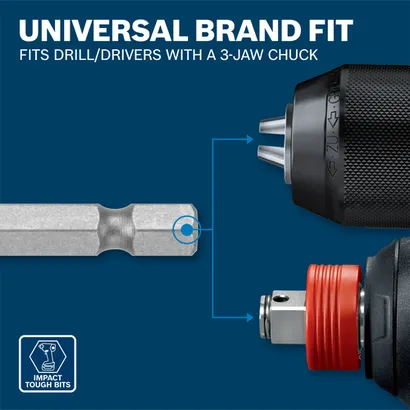
A universal drill bit fits many types of drills. It has a shank designed to work with most drill chucks. This design allows quick changes and secure holding. Universal bits often have a special shape or size that matches common drill types. They save time and reduce the need for many different bits.
Common Bit Shank Types
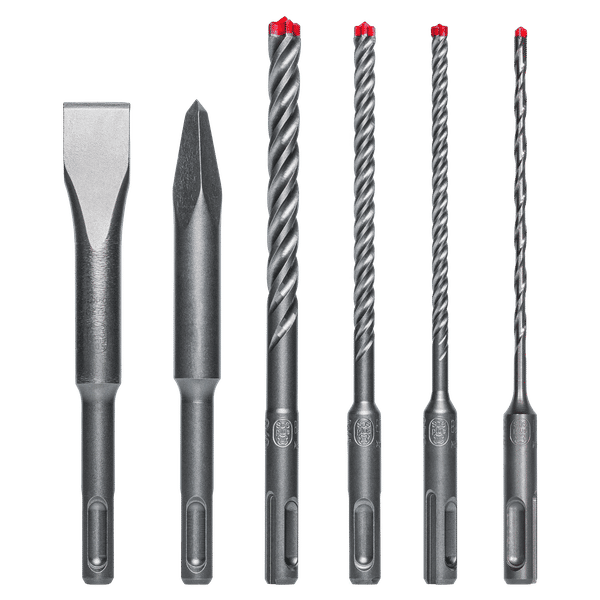
Shanks come in various shapes and sizes. The most common are round, hex, and SDS shanks. Round shanks fit standard drill chucks but may slip under heavy use. Hex shanks provide a stronger grip and prevent slipping. SDS shanks are made for hammer drills and allow fast bit changes. Knowing your drill’s shank type helps pick compatible bits.
Hammer Drill Bit Varieties
Hammer drill bits come in different types for various tasks. Choosing the right bit helps you work faster and cleaner. Each variety suits specific materials and drill models. Understanding these options makes your job easier.
Masonry Bits
Masonry bits are common for drilling into brick, stone, and concrete. They have a sharp, pointed tip to break hard surfaces. These bits usually have a spiral flute to remove dust. They fit most standard hammer drills and work well on tough walls.
Sds And Sds-plus Bits
SDS and SDS-Plus bits have special shanks for quick bit changes. They fit only hammer drills designed for SDS systems. These bits deliver stronger impact and better control. SDS-Plus is popular for medium-duty jobs, while SDS is for heavier tasks.
Carbide-tipped Bits
Carbide-tipped bits last longer and cut harder materials easily. Their tips resist wear and stay sharp under pressure. These bits work well on reinforced concrete and tough masonry. They suit both standard and SDS hammer drills, depending on the shank type.
Credit: maiamidwifery.com
Using The Right Bit For Your Drill
Using the right bit for your drill is important for good results and safety. Each drill type works best with certain bits. Choosing the correct bit makes drilling easier and protects your tools. It also helps you avoid damage to the material you work on.
Matching Bits To Drill Types
Different drills need different bits. A hammer drill uses bits designed to handle hammering action. Regular drill bits may break or wear out fast in a hammer drill. SDS bits fit hammer drills with special chucks. Standard bits fit normal drills without hammer mode. Always check your drill type before picking a bit. This match keeps your tools working well and lasts longer.
Risks Of Using Incompatible Bits
Using the wrong bit can cause problems. Bits may slip or break during drilling. The drill motor can overheat or get damaged. The hole might not be clean or the right size. Materials can crack or chip if the bit is wrong. Safety risks increase with poor bit choice. Proper bits reduce accidents and improve your work quality.
Tips For Choosing Hammer Drill Bits
Choosing the right hammer drill bits makes a big difference in your drilling work. Good bits help you drill faster and last longer. Picking the best bit depends on several important factors. These tips will guide you to select bits that fit your needs and tools.
Material Considerations
Hammer drill bits come in different materials. The most common ones include high-speed steel (HSS), carbide-tipped, and tungsten carbide. HSS bits work well for soft materials like wood and plastic. Carbide-tipped bits are stronger and better for hard materials such as concrete and masonry. Tungsten carbide bits offer the highest toughness and last longer on tough surfaces. Choose the material based on the type of work and surface you will drill.
Bit Durability And Lifespan
Durability matters for saving money and effort. Bits with strong tips resist wear and breakage. Look for bits with heat-resistant coatings or extra hardness. These features help the bit stay sharp and cool during use. Longer lifespan means fewer replacements and better value. Always check reviews or ask for recommendations about bit durability before buying.
Credit: www.boschtools.com
Maintaining Hammer Drill Bits
Maintaining hammer drill bits helps them last longer and work better. Dirt and debris can damage the bits. Proper care keeps them sharp and ready for any job. Simple steps protect your investment and improve drilling results.
Cleaning And Storage
After each use, wipe the bits with a dry cloth. Remove dust and small particles stuck on the surface. Avoid using water to clean bits as it may cause rust. Store bits in a dry case or box to protect them. Keep them separate from other tools to prevent damage.
When To Replace Bits
Replace bits if they become dull or chipped. Dull bits make drilling hard and slow. Look for cracks or broken edges before starting work. If bits overheat or bend, it is time to change them. Using worn bits can harm your drill and the material.
Frequently Asked Questions
Are Hammer Drill Bits Compatible With All Hammer Drills?
No, hammer drill bits are not universally compatible. Different drills may require specific bit shanks. Always check the drill’s chuck size and bit type before purchasing to ensure proper fit and optimal performance.
Can I Use Regular Drill Bits In A Hammer Drill?
Regular drill bits are not ideal for hammer drills. They lack the durability and design to withstand hammering action. Using proper hammer drill bits ensures efficiency and prevents damage to both the bit and the drill.
What Types Of Materials Do Hammer Drill Bits Work On?
Hammer drill bits are designed for hard materials like concrete, brick, and stone. They have a specialized tip that handles impact drilling. Using them on softer materials may cause damage or reduced effectiveness.
How Do I Know If A Hammer Drill Bit Is High Quality?
High-quality hammer drill bits have carbide tips and strong steel shafts. They offer durability and clean drilling performance. Look for reputable brands and check customer reviews to ensure you buy reliable bits.
Conclusion
Hammer drill bits are not always universal. Different drills need specific bits. Choosing the right bit helps your drill work well. Using the wrong bit can damage your tools. Always check your drill’s requirements before buying bits. This keeps your projects smooth and safe.
Knowing the right bit saves time and money. Quality bits make drilling easier and faster. Keep this in mind for your next task. Simple steps lead to better results.
