


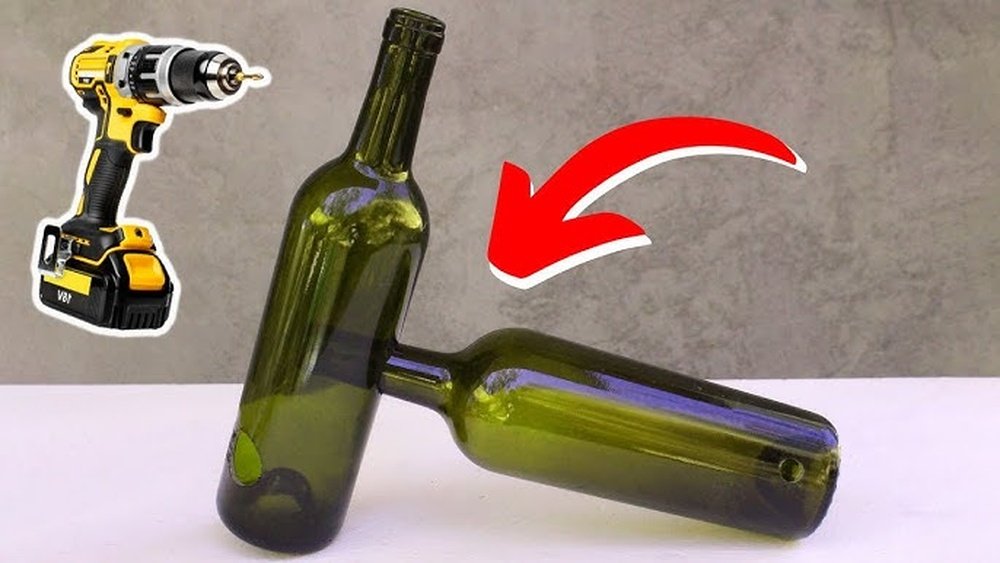
Have you ever wanted to turn an empty glass wine bottle into something new and creative? Drilling a hole in a glass wine bottle might sound tricky, but with the right steps, you can do it safely and easily.
Whether you’re making a stylish lamp, a unique vase, or a DIY project, knowing how to drill a hole in your bottle opens up endless possibilities. Keep reading, and you’ll discover simple tips and tricks that will help you get the job done without cracking or breaking the glass.
Let’s get started!
Credit: makeitagarden.com
Tools Needed
Drilling a hole in a glass wine bottle needs the right tools. Using proper tools makes the job safer and easier. The right equipment helps avoid cracks and breaks in the glass. Prepare all tools before starting to work.
Choosing The Right Drill Bit
Pick a diamond-tipped drill bit for glass. It cuts smoothly without cracking. The bit size depends on the hole size you want. Smaller bits work best for precise holes. Avoid regular metal bits; they can break the glass.
Protective Gear
Wear safety glasses to protect your eyes from glass shards. Use gloves to keep your hands safe. A dust mask helps avoid breathing tiny glass dust. Always wear long sleeves to protect your arms.
Additional Supplies
Keep a bucket of water nearby to cool the drill bit. Use tape on the bottle to mark the drilling spot. It also stops the drill from slipping. Have a soft cloth ready to clean the bottle after drilling.
Preparing The Bottle
Preparing the bottle is the first step before drilling a hole in a glass wine bottle. This step helps to avoid mistakes and keeps the process safe. Taking time to prepare makes drilling easier and more precise.
Cleaning The Surface
Clean the glass surface with warm water and soap. Remove all dirt, dust, and oil. Dry the bottle completely with a soft cloth. A clean surface helps the drill bit grip the glass better.
Marking The Spot
Choose the exact place for the hole. Use a marker or tape to mark the spot clearly. The mark guides the drill bit and prevents slipping. Double-check the position before starting to drill.
Securing The Bottle
Place the bottle on a flat, stable surface. Use a clamp or soft cloth to hold it steady. Keeping the bottle still stops it from moving while drilling. Secure the bottle gently to avoid cracking the glass.
Drilling Techniques
Drilling a hole in a glass wine bottle needs careful technique. Glass is delicate and can crack easily. Using the right methods helps avoid breaks and makes the job safer. Follow these drilling techniques to get clean, smooth holes without damaging the bottle.
Using Water As Lubricant
Water cools the drill bit and glass surface. It stops heat build-up that can crack the glass. Keep the drill area wet while drilling. You can use a spray bottle or run water slowly over the hole. This also removes glass dust from the drill spot.
Starting The Drill Slowly
Begin drilling at a low speed. Slow drilling keeps the bit from slipping on the glass. Hold the drill steady and start with light pressure. This helps make a small groove to guide the drill. Increase speed only after the bit grips the glass well.
Maintaining Steady Pressure
Apply gentle, even pressure while drilling. Too much force can crack the bottle. Too little pressure can cause slipping. Keep your hand steady and let the drill bit do the work. Patience is key for a smooth hole without damage.
Credit: makeitagarden.com
Handling Common Issues
Drilling a hole in a glass wine bottle can be tricky. Common problems may slow you down or cause damage. Knowing how to handle these issues will make your project easier and safer. Follow simple tips to avoid cracks, slippage, and incomplete holes. These tips help keep your bottle intact and your work smooth.
Preventing Cracks
Cracks often appear when the glass gets too hot or pressure is uneven. Use water to cool the glass while drilling. Wet the bottle surface and the drill bit. Drill slowly and gently. Avoid pushing hard on the glass. Let the drill bit do the work. Keep the bottle steady on a soft surface to reduce stress.
Dealing With Slippage
Slippage happens when the drill bit slips on the smooth glass. Mark the spot with a marker or tape. Use a small piece of masking tape on the drill area. This helps the drill bit grip the surface better. Start drilling at a low speed to keep control. Hold the bottle firmly but carefully. Keep your hands steady to avoid slips.
Fixing Incomplete Holes
Sometimes the hole may stop before going through the glass. Stop drilling and check the hole. Remove any glass dust from the drill bit and bottle. Continue drilling slowly, applying light pressure. If the hole is uneven, use a fine file or sandpaper to smooth edges. Take breaks to avoid overheating the glass. Patience leads to clean, complete holes.
Finishing Touches
After drilling a hole in your glass wine bottle, the job is not quite done. Finishing touches are important. They make your project safe and neat. Taking time to smooth edges and clean up ensures a professional look. Follow safety tips to avoid accidents after drilling.
Smoothing The Edges
The drilled hole may have sharp or rough edges. Use fine sandpaper or a sanding block to smooth them. Move the sandpaper gently around the hole’s edge. Check frequently to avoid removing too much glass. Smooth edges prevent cuts and make the bottle safer to handle.
Cleaning Up Residue
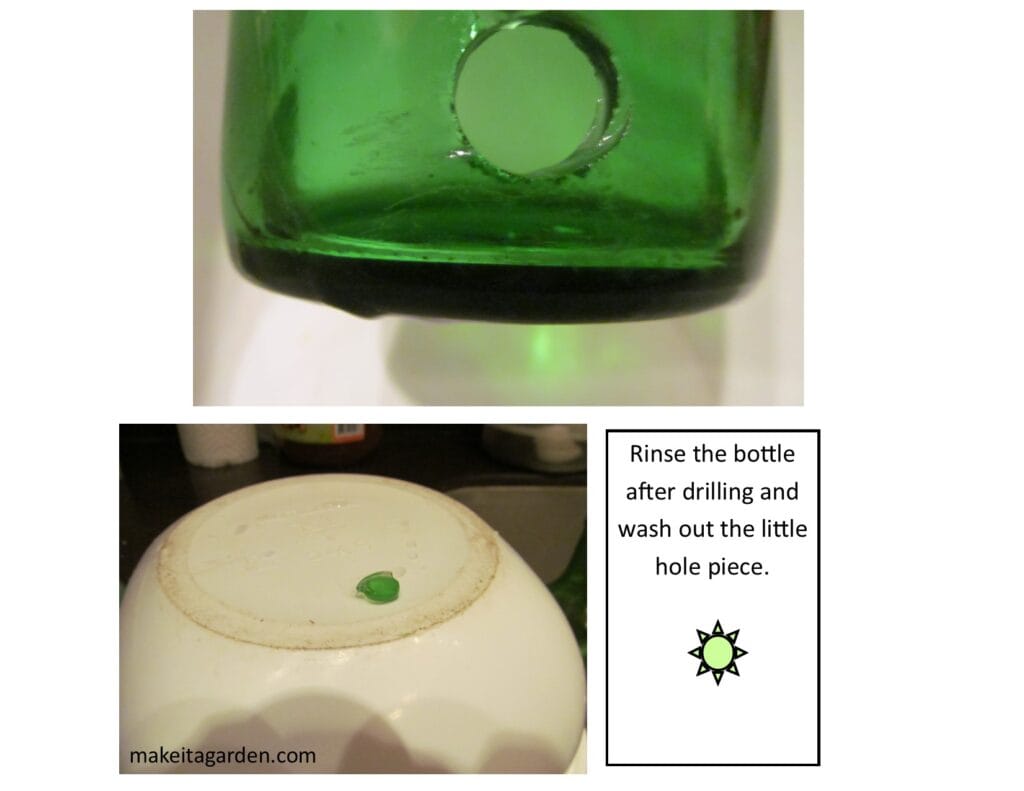
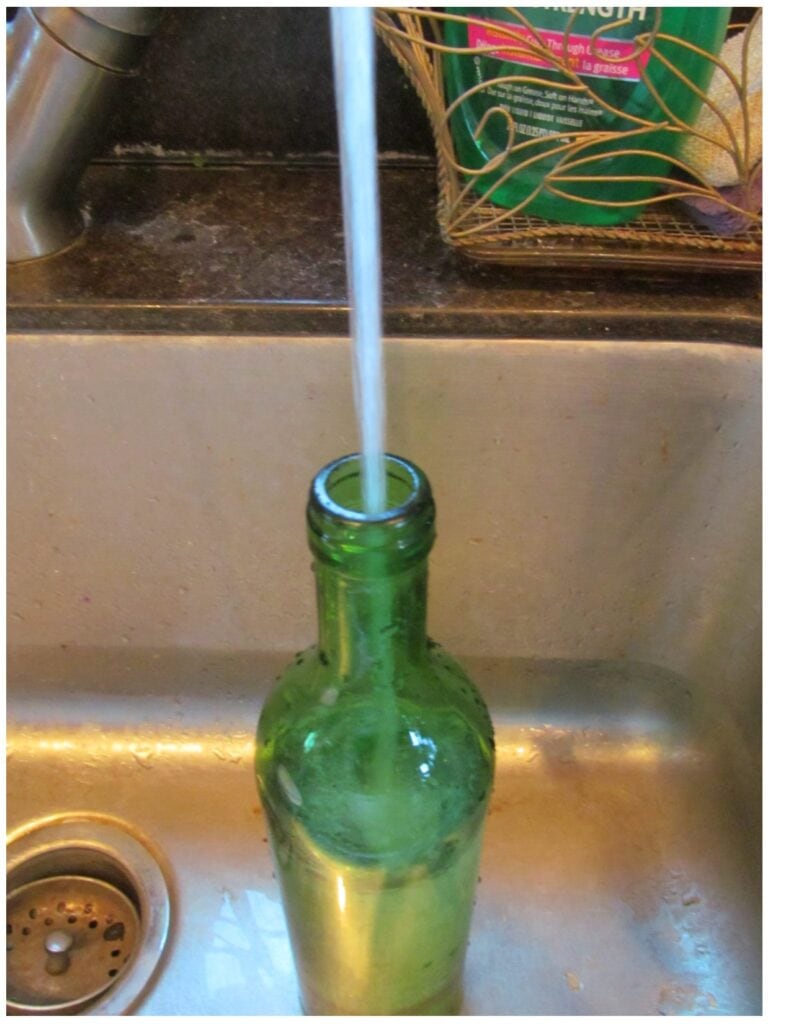
Drilling glass creates dust and small glass pieces. Use a damp cloth to wipe away dust from the bottle. Rinse the bottle with water to clear remaining residue. Avoid harsh chemicals that may damage the glass. A clean bottle looks better and is safer to use.
Safety Tips After Drilling
Wear gloves to protect your hands from sharp edges. Keep the bottle away from children and pets. Store it in a safe place to avoid accidents. Inspect the hole for cracks or weaknesses before use. Handle the bottle gently to prevent breaking.

Credit: www.youtube.com
Creative Uses For Drilled Bottles
Drilled glass wine bottles have many creative uses. They turn ordinary bottles into unique objects. These projects add style and function to your home or garden. Drilled holes open new ways to reuse glass bottles.
Decorative Projects
Drilled bottles make beautiful candle holders. Place a tea light inside and enjoy soft light. Use them as hanging lanterns with a rope through the hole. They also work well as flower vases. Small holes let you thread string lights inside for a glowing effect. Paint or decorate the bottle to match your style. Group several bottles for an eye-catching display.
Functional Applications
Drilled bottles serve many practical purposes. They can become water or oil dispensers by adding a spout. Use them as plant watering tools by inserting a tube through the hole. Bottles with holes make great bird feeders. Hang them outside and fill with seeds. Some use drilled bottles as unique soap dispensers. The hole allows attaching a pump easily. These bottles combine beauty with everyday use.
Frequently Asked Questions
How Do I Safely Drill A Hole In A Glass Wine Bottle?
Use a diamond-tipped drill bit and secure the bottle firmly. Keep the bottle wet to reduce heat and prevent cracking. Drill slowly and steadily without applying too much pressure for best results.
What Tools Are Needed To Drill Glass Wine Bottles?
You need a diamond-tipped drill bit, a drill, water for cooling, clamps to secure the bottle, and safety gloves. These tools ensure precision and safety while drilling glass.
Can I Drill A Hole Without Breaking The Wine Bottle?
Yes, by drilling slowly with a diamond bit and keeping the bottle wet. Using steady pressure and proper tools reduces the risk of cracking or breaking the glass.
How Long Does It Take To Drill Through A Glass Bottle?
It typically takes 5 to 10 minutes depending on drill speed and glass thickness. Patience and steady pressure are key to avoid damaging the bottle.
Conclusion
Drilling a hole in a glass wine bottle takes care and the right tools. Go slow and keep the bottle wet to avoid cracks. Use a diamond drill bit for the best results. Take your time and stay safe throughout the process.
This simple skill can help you create unique crafts or decorations. Practice makes perfect, so don’t rush. Enjoy making something special with your own hands.
