


Have you ever found yourself locked out, staring at a door that just won’t budge? Knowing how to drill a lock can be a lifesaver in those frustrating moments.
But before you grab the drill, you need to understand the right steps to take—doing it wrong can cause more damage or even make things worse. In this guide, you’ll discover clear, simple instructions to help you get through that lock safely and effectively.
Keep reading, because by the end, you’ll have the confidence to handle the situation like a pro.
Types Of Locks
Locks come in many types. Each type works in a different way. Knowing the type helps when drilling a lock. It guides the process and tools needed. Here are some common locks you might find.
Pin Tumbler Locks
Pin tumbler locks are the most common type. They use pins of different lengths to block the lock. When the right key is inserted, pins align, and the lock turns. Drilling this lock requires precision to avoid damage.
Wafer Locks
Wafer locks have flat wafers inside. These wafers move to open or lock the mechanism. They are simpler than pin tumbler locks. Drilling wafer locks is easier but still needs care.
Disc Detainer Locks
Disc detainer locks use rotating discs instead of pins or wafers. The discs must align correctly to open the lock. These locks are tougher to drill. They need special attention and tools.

Credit: www.youtube.com
When To Drill A Lock
Drilling a lock is a serious step. It causes permanent damage. Knowing the right time to drill helps avoid mistakes. This guide explains when drilling is necessary and safe.
Emergency Situations
Drilling a lock is often needed in emergencies. For example, if someone is trapped inside a room or car. Quick access can save lives. In these cases, drilling is faster than picking or calling a locksmith.
Lock Damage Scenarios
Locks can break or jam over time. Rust, dirt, or worn parts stop keys from turning. When repair or picking fails, drilling is the last option. It removes the lock so you can replace it.
Legal Considerations
Drilling a lock is legal only on your property. Never drill locks that belong to others without permission. Breaking locks without consent can lead to legal trouble. Always check local laws before drilling a lock.
Essential Tools Needed
Drilling a lock requires the right tools to work safely and effectively. Having the essential tools helps you complete the task without damage or injury. The correct drill, bits, and safety gear are crucial parts of this process.
Drill Types And Bits
A powerful drill with good control is necessary for drilling locks. Cordless drills offer flexibility and ease of use. Choose a drill with variable speed settings for better precision.
Use high-quality drill bits designed for metal. Cobalt or titanium-coated bits work best. Start with a small pilot bit, then switch to a larger bit to widen the hole. This method reduces slipping and damage.
Safety Gear
Safety is important when drilling locks. Always wear safety goggles to protect your eyes from metal shavings. Gloves protect your hands from sharp edges and hot surfaces.
Use ear protection if your drill is loud. A dust mask can prevent inhaling metal dust. Keep a first aid kit nearby for emergencies.
Additional Equipment
A center punch helps mark the drilling spot and prevents the bit from wandering. Clamps or a vise keep the lock steady while drilling. This ensures accuracy and safety.
Have a flashlight or good lighting to see details clearly. A magnet or brush helps clean metal debris after drilling. These extra tools make the job easier and safer.

Credit: www.wikihow.com
Preparing For Drilling
Preparing for drilling is a key step to open a lock safely. This process helps avoid damage and makes drilling easier. It involves checking the lock, marking the exact spot, and securing the area. These steps save time and effort.
Assessing The Lock
Look closely at the lock type and material. Understand the lock’s size and shape. Check if it has a hardened steel plate. This plate can make drilling harder. Knowing the lock’s make helps pick the right drill bit.
Marking The Drill Spot
Find the center of the lock cylinder. Use a pencil or marker to mark it clearly. The mark guides the drill bit to the right place. Accurate marking prevents slipping and damage.
Securing The Work Area
Clear the space around the lock. Remove any objects that may get in the way. Use clamps or a vice to hold the lock steady. A stable lock ensures smooth and safe drilling.
Step-by-step Drilling Process
Drilling a lock requires care and the right steps. Following a clear process helps to do it safely and effectively. This guide explains each step, from setting up the drill to handling resistance. Read carefully and work slowly for the best results.
Setting Up The Drill
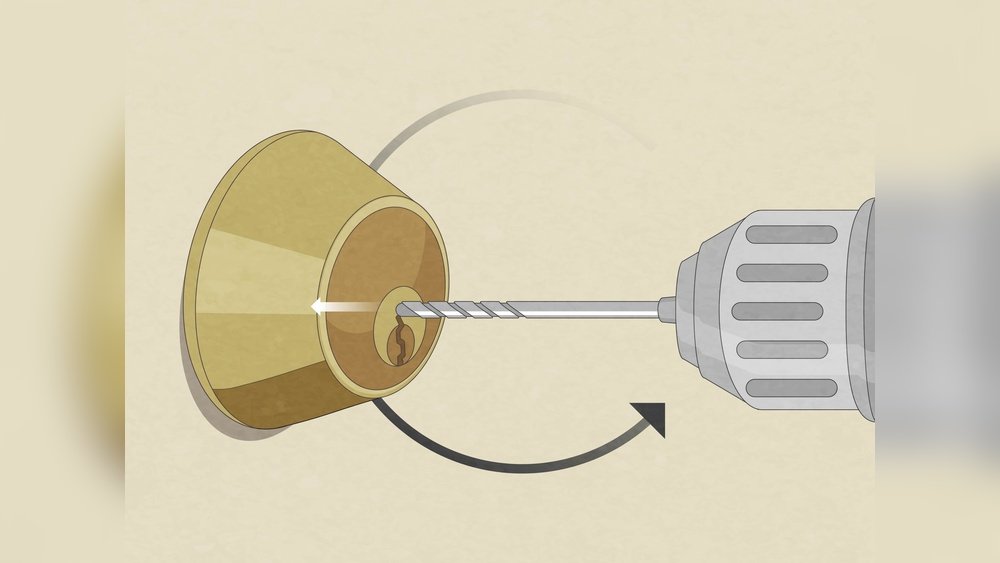
Choose a drill with a metal drill bit. A 3/8 inch bit works for most locks. Wear safety glasses to protect your eyes. Hold the drill firmly with both hands. Position the drill bit at the center of the lock cylinder. Make sure the drill is straight and steady before starting.
Drilling Technique
Start drilling at a low speed. Apply steady pressure without pushing too hard. Let the drill bit do the work. Drill slowly to avoid overheating the bit. Stop occasionally to check progress. Clear metal shavings from the hole. Keep the drill perpendicular to the lock surface.
Dealing With Resistance
Locks may have hard pins inside. If you feel strong resistance, pause drilling. Pull back the drill bit slightly. Try drilling again with less pressure. Use oil to lubricate the drill bit if needed. Avoid forcing the drill, as it may break the bit. Be patient and drill carefully until the lock opens.
Safety Tips
Drilling a lock is a task that needs care and attention. Safety is the top priority. Without safety, accidents can happen easily. Follow these safety tips to protect yourself and your property.
Protective Measures
Wear safety glasses to protect your eyes from metal shards. Use gloves to avoid cuts and improve grip. Work in a well-lit area to see clearly. Keep your clothes tight to stop them from catching on tools.
Avoiding Damage
Mark the drill spot to stay accurate. Use the correct drill bit size for the lock type. Drill slowly to avoid overheating the bit. Stop if you hear strange noises or see sparks. This protects the lock and drill from damage.
Handling Tools Properly
Hold the drill firmly to keep control. Keep both hands on the tool for stability. Check the drill’s power cord for cuts or damage. Turn off the drill before changing bits. Store tools safely after use to prevent accidents.
After Drilling Actions
After drilling a lock, the work is not over yet. The next steps are very important to finish the job properly. These actions make sure the lock area is clean and ready for a new lock. Proper care prevents damage and keeps your door secure.
Removing Lock Components
Start by taking out all loose pieces from the drilled lock. Use pliers or a screwdriver to remove screws and parts. Clear out broken bits inside the lock hole carefully. This step is key for easy installation of the new lock.
Cleaning The Area
Brush away metal shavings and dust from the drilling process. Use a small vacuum or cloth to clean the hole and surrounding area. A clean surface helps the new lock fit well and work smoothly. Avoid leaving debris that could block the lock parts.
Installing A New Lock
Choose a lock that fits the hole and door thickness. Follow the lock’s instructions for proper placement and fixing. Tighten screws firmly but not too tight to avoid damage. Test the new lock several times to ensure it works right. This step restores your door’s security quickly.
Common Mistakes To Avoid
Drilling a lock requires care and the right approach. Avoiding common mistakes can save time and prevent damage. Mistakes often lead to broken tools or ruined locks. Focus on key points to drill safely and correctly.
Incorrect Drill Bit Choice
Using the wrong drill bit can damage the lock or drill. Choose a bit designed for metal, like a cobalt or titanium bit. Avoid wood or plastic bits, as they wear out quickly. The right bit makes drilling easier and cleaner.
Excessive Force
Applying too much pressure can break the drill bit or lock parts. Let the drill do the work with steady, gentle pressure. Pushing hard may cause the drill to slip, causing injury or damage. Control speed and force for smooth drilling.
Ignoring Safety Protocols
Skipping safety steps increases the risk of injury. Always wear safety glasses to protect your eyes. Use gloves to avoid cuts and scrapes. Work in a well-lit area and secure the lock firmly before drilling.
Alternatives To Drilling
Drilling a lock can damage it and the door. Many people prefer other ways to open a lock without drilling. These alternatives are safer and can save money. Below are some common methods to try before drilling.
Lock Picking Basics
Lock picking uses tools to move the lock’s pins into place. This allows the lock to open without a key. It takes practice but works well on many locks. A simple set of picks and a tension wrench can help. Always pick locks only if you own them or have permission.
Using Bump Keys
Bump keys fit many locks of the same type. When tapped gently, they push the pins inside the lock. This can open it quickly with little damage. Bump keys are easy to carry and use. They do not work on all lock types but are worth trying.
Calling A Locksmith
A locksmith has the tools and skills to open locks safely. They can open your lock without damage. Professionals know many techniques beyond drilling. Hiring a locksmith saves time and avoids costly repairs. Always choose a licensed and trusted locksmith service.

Credit: www.youtube.com
Frequently Asked Questions
How Do You Safely Drill A Lock Without Damage?
Use a drill bit smaller than the lock cylinder. Drill slowly at the pin area to avoid damage. Wear safety goggles and apply steady pressure for control.
What Tools Are Needed To Drill A Lock Effectively?
You need a power drill, various drill bits, safety goggles, and lubricant. A center punch can help mark the drilling spot accurately.
Can Drilling A Lock Be Done Without Prior Experience?
Yes, but it requires caution. Follow step-by-step instructions and use proper tools. Practice on a spare lock first to build confidence.
Is Drilling A Lock A Legal Method To Open It?
Drilling is legal only on locks you own or have permission to open. Unauthorized drilling can be illegal and punishable by law.
Conclusion
Drilling a lock takes care, the right tools, and clear steps. Always wear safety gear and work slowly. Practice on old locks before trying real ones. Remember, drilling can damage the lock permanently. Use this method only when absolutely necessary.
Stay patient and focused for the best results. This skill helps in emergencies but should be used responsibly. Keep learning and improving your technique over time.
