


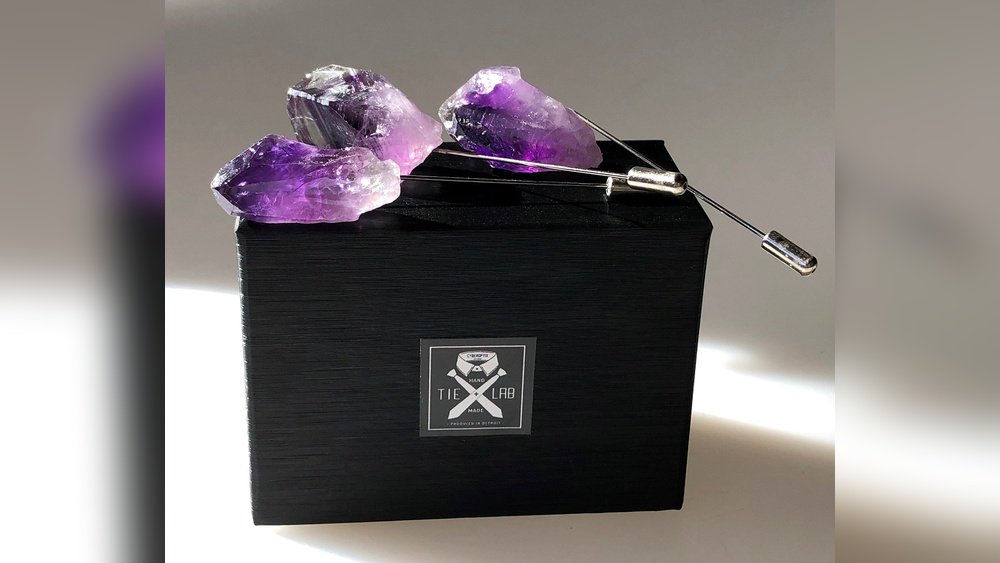
Have you ever wanted to create your own unique jewelry or craft using amethyst? Drilling through this beautiful purple stone might seem tricky, but with the right approach, you can do it safely and effectively.
Imagine turning your raw amethyst into stunning beads, pendants, or decorations that are truly one of a kind. In this guide, you’ll discover simple steps and expert tips to drill through amethyst without cracking or damaging it. Keep reading, and soon you’ll have the skills to bring your creative ideas to life.

Credit: www.youtube.com
Choosing The Right Tools
Choosing the right tools is key to drilling through amethyst safely and cleanly. Using the correct drill bits and equipment protects the stone from cracking. It also makes the process faster and easier. This section guides you on selecting proper tools for your project.
Selecting Drill Bits For Amethyst
Diamond drill bits work best for amethyst. They cut through the hard surface without chipping. Choose bits with a fine diamond grit to avoid damage. Small drill bits around 1-3mm are ideal for delicate holes. Larger bits require slower drilling to prevent overheating.
Avoid regular metal bits, as they cause cracks and breaks. Water cooling the bit helps reduce heat and dust. Keep the drill bit wet during the process for smoother results.
Recommended Drills And Accessories
A rotary drill or a Dremel tool offers good control and precision. Choose one with variable speed settings to match your drilling pace. Low speed prevents overheating and protects the amethyst.
Use a drill press if possible. It holds the stone steady and ensures straight holes. Clamps or a soft vise can secure the amethyst safely. Wear safety glasses and a mask to protect from dust and debris.
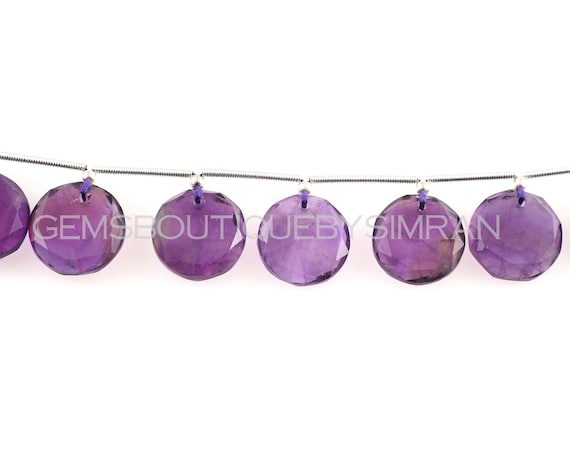
Credit: www.etsy.com
Preparing Your Workspace
Preparing your workspace is the first step to drill through amethyst safely and effectively. A clean, organized area helps you focus and reduces risks. Taking time to set up ensures a smooth drilling process without distractions.
Safety Gear Essentials
Wear safety glasses to protect your eyes from dust and small chips. Use a dust mask to avoid breathing in fine particles. Gloves protect your hands from sharp edges and rough surfaces. Ear protection reduces noise from the drill. Make sure all safety gear fits well and is comfortable.
Setting Up A Stable Work Area
Choose a flat surface like a workbench or sturdy table. Clear the area of clutter and loose items. Use clamps or a vise to hold the amethyst firmly in place. This prevents movement and helps you drill accurately. Good lighting is important to see the drilling spot clearly. Keep water nearby to cool the drill bit and reduce dust.
Marking And Securing The Stone
Marking and securing the amethyst stone is a key step before drilling. This step helps avoid mistakes and keeps the stone safe. Without careful marking, the hole may be in the wrong spot. Without proper support, the stone may move or crack. Take time to do this right.
Accurate Hole Placement
Use a fine-tip marker or pencil to mark the drilling spot. Check the stone from all sides to pick the best location. Choose a flat or slightly curved area for easy drilling. Measure twice to make sure the mark is in the right place. Avoid spots near cracks or weak areas in the stone.
Using Clamps And Supports
Place the amethyst on a soft, stable surface like a rubber mat. Use clamps with soft pads to hold the stone firmly. This prevents slipping and reduces pressure on the stone. Do not tighten clamps too much to avoid cracks. If clamps are not available, use a vise with padding or hold the stone gently but firmly.
Drilling Techniques
Drilling through amethyst requires care and the right methods to avoid damage. The techniques used help keep the stone intact and make the process smoother. Understanding the proper speed, pressure, and cooling methods is key. These steps protect the amethyst from cracks and chips.
Each technique plays a role in preserving the beauty and strength of the stone. Using the correct tools and approach ensures clean holes without breaking the crystal.
Proper Speed And Pressure
Use a slow drill speed to avoid overheating the amethyst. High speeds can cause the stone to crack or break. Apply light, steady pressure. Pressing too hard may damage the crystal structure. Let the drill bit do the work. Pausing often helps reduce heat and stress on the stone.
Cooling Methods To Prevent Cracks
Keep the amethyst cool during drilling by using water or a coolant. Cooling prevents heat buildup that causes cracks. Dip the stone in water or spray it gently while drilling. Avoid letting the drill bit dry out. Use a small container to hold water for easy cooling. Constant cooling extends the life of the drill bit and protects the amethyst.
Handling Common Challenges
Drilling through amethyst can be tricky. The stone is beautiful but fragile. Many face problems like cracks and uneven surfaces. Handling these challenges carefully helps protect the stone and achieve good results. Follow simple steps for safer drilling.
Avoiding Stone Fractures
Amethyst breaks easily under pressure. Use a slow drill speed to reduce heat and stress. Keep the drill bit wet to cool down the stone. Use a special diamond drill bit made for hard stones. Press gently and do not force the drill. Let the drill do the work. Stop often to check progress and avoid cracks.
Dealing With Uneven Surfaces
Uneven surfaces make drilling unstable. Start by smoothing the area with fine sandpaper. Use a small amount of tape or clay to hold the stone steady. Mark the drill point clearly for accuracy. Hold the stone firmly or fix it in a clamp. This stops slipping and keeps the hole straight. Take your time and work carefully on rough spots.
Finishing The Hole
Finishing the hole in your amethyst is a key step. It makes your piece look neat and safe to handle. Rough edges can cause cracks or cuts. Taking time to smooth and clean the hole ensures better results.
Smoothing And Polishing Edges
Use a fine diamond file or sanding paper to smooth the hole’s edges. Move gently around the hole to remove sharp points. Do this slowly to avoid damaging the amethyst. After sanding, use a polishing cloth or a soft brush. This will give the edges a smooth, shiny finish. Polished edges reduce the chance of breaking or chipping.
Cleaning Residue And Dust
Dust and small particles remain after drilling and sanding. Clean the hole with warm water and mild soap. Use a soft toothbrush to reach inside the hole. Rinse the amethyst well to remove all soap. Dry it carefully with a soft cloth. Clean holes prevent dirt buildup and keep the amethyst bright.
Maintenance And Care Tips
Proper maintenance and care keep your amethyst drilling tools and pieces in top shape. Taking simple steps helps protect your tools and gemstones for a long time. Below are key tips to keep your equipment clean and your amethyst looking beautiful.
Tool Cleaning And Storage
Clean your drill bits after every use. Use warm water and a soft brush to remove dust and stone particles. Avoid harsh chemicals that damage the metal.
Dry tools completely before storing. Moisture can cause rust and reduce tool life. Store bits in a dry box or case to prevent damage.
Keep your tools organized to avoid losing small parts. Proper storage also protects the sharp edges of drill bits.
Preserving Drilled Amethyst Pieces
Handle drilled amethyst pieces gently. Avoid dropping or knocking them against hard surfaces.
Clean stones with a soft cloth and mild soap. Rinse well to remove any residue.
Store amethyst pieces separately to prevent scratches. Use soft pouches or padded compartments in your jewelry box.

Credit: www.ebay.com
Frequently Asked Questions
How Do I Safely Drill Through Amethyst At Home?
Use a diamond-tipped drill bit and secure the amethyst firmly. Keep it wet to reduce heat and prevent cracking. Drill slowly with light pressure for best results.
What Drill Bit Is Best For Amethyst Stones?
A diamond-coated drill bit is ideal for drilling amethyst. It cuts smoothly through the hard crystal without causing damage or excessive heat.
How Can I Avoid Cracking Amethyst While Drilling?
Keep the stone wet and apply light, steady pressure. Avoid overheating by drilling slowly and letting the drill bit cool down frequently.
What Tools Do I Need To Drill Amethyst Effectively?
You need a diamond drill bit, a drill, water for cooling, clamps to hold the stone, and safety goggles for protection.
Conclusion
Drilling through amethyst requires care and the right tools. Take your time and keep the stone cool. Use a steady hand to avoid cracks or breaks. Small drill bits work best for delicate holes. Always wear safety gear to protect yourself.
With patience and practice, you can create beautiful pieces. Enjoy the process and learn from each attempt. This skill adds value to your jewelry projects. Keep your workspace clean and organized for better results. Drilling amethyst is simple when done correctly.
