


Are you confused about whether a cordless drill and a cordless screwdriver are the same tool? You’re not alone.
Many people use these terms interchangeably, but knowing the difference can save you time, effort, and even money. If you want to pick the right tool for your next project, it’s important to understand how each one works and when to use it.
Keep reading, and by the end, you’ll be confident about which tool fits your needs perfectly.

Credit: www.reddit.com
Basic Features
Understanding the basic features helps to see the difference between a cordless drill and a cordless screwdriver. Both tools are designed to make tasks easier, but they have unique traits. Knowing these traits can guide you in choosing the right tool.
Design And Size
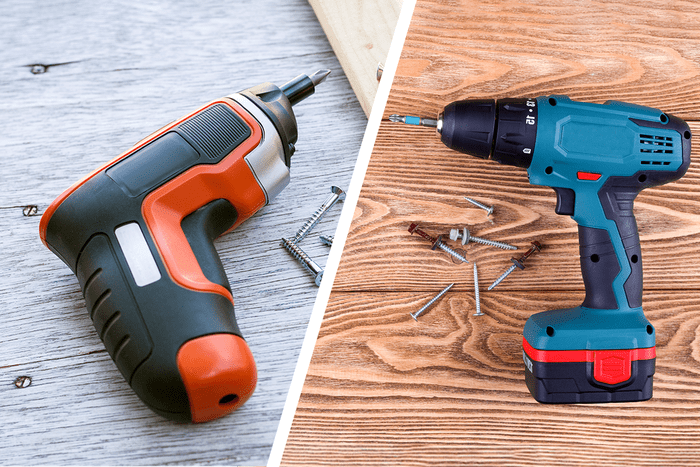
Cordless drills are usually larger and heavier. They have a strong build to handle tough jobs. The handle is designed for a firm grip during drilling. Cordless screwdrivers are smaller and lighter. They fit comfortably in one hand. Their compact size makes them easy to use in tight spaces.
Power Source And Battery
Both tools use rechargeable batteries. Most cordless drills have higher voltage batteries. This gives them more power for drilling into hard materials. Cordless screwdrivers have smaller batteries. They provide enough power for driving screws. Battery life varies but drills often last longer under heavy use.
Credit: www.familyhandyman.com
Primary Functions
The primary functions of cordless drills and cordless screwdrivers differ. Each tool serves a specific purpose in home projects or professional tasks. Understanding these functions helps you choose the right tool for your needs.
Drilling Capabilities
Cordless drills are designed to bore holes into various materials. They can drill into wood, metal, plastic, and even masonry. The drill uses a rotating bit to cut through surfaces. It offers variable speed settings for different tasks. Cordless drills often have a hammer function for tougher materials. This makes them versatile for many home repairs and building projects.
Screwdriving Tasks
Cordless screwdrivers focus on driving screws quickly and easily. They provide high torque at low speeds for better control. These tools are lighter and smaller than drills. They fit into tight spaces where drills might not reach. Cordless screwdrivers usually have a magnetic bit holder to keep screws in place. They are perfect for assembling furniture or fixing appliances.
Performance And Power
Performance and power define the main difference between a cordless drill and a cordless screwdriver. Both tools use batteries, but their strength and speed vary. These differences affect what tasks each tool can handle best. Understanding torque, speed, battery life, and efficiency helps choose the right tool for your needs.
Torque And Speed
Torque measures the twisting force a tool produces. Cordless drills have higher torque than cordless screwdrivers. This allows drills to handle tougher jobs like drilling into wood or metal. Screwdrivers have lower torque, perfect for driving screws without stripping them.
Speed also differs between these tools. Drills can spin at higher speeds to drill holes quickly. Screwdrivers spin slower to control screw placement carefully. The balance of torque and speed determines how well each tool performs its tasks.
Battery Life And Efficiency
Battery life depends on the power demands of the tool. Cordless drills use more battery power due to higher torque and speed. This means their batteries may drain faster during heavy use. Screwdrivers use less power, so they often last longer on a single charge.
Efficiency comes from matching tool power to the job. Using a drill for simple screw driving wastes battery and effort. A screwdriver uses energy more efficiently for light tasks. Choosing the right tool saves battery life and improves work quality.
Tool Versatility
Tool versatility plays a big role in choosing between a cordless drill and a cordless screwdriver. Both tools serve different purposes but share some common features. Understanding their versatility helps you pick the right one for your projects. Below, we explore how attachment options and suitable materials affect their uses.
Attachment Options
Cordless drills often come with various attachments. These include drill bits, sanding pads, and mixing paddles. Changing attachments is easy and fast. This makes drills suitable for many tasks beyond screwing.
Cordless screwdrivers usually support fewer attachments. Most have a fixed bit holder for screwdriver bits only. This limits their use to driving screws and small fastening jobs. Their focus is on simplicity and speed.
Suitable Materials
Cordless drills work well on wood, metal, plastic, and even masonry. Their power and speed adjust to different materials. This allows for drilling holes or driving screws into tough surfaces.
Cordless screwdrivers are best for light materials like wood and plastic. They struggle with hard materials or thick screws. These tools are ideal for assembling furniture or small repairs.
User Experience
User experience plays a big role in choosing the right tool. Both cordless drills and cordless screwdrivers offer ease of use. Yet, they differ in comfort and noise, affecting how users feel during work. Understanding these differences helps you pick the best tool for your needs.
Ergonomics And Handling
Cordless screwdrivers are usually lighter and smaller. They fit well in one hand. This makes them easy to hold for a long time. Ideal for small jobs and tight spaces. Cordless drills are bigger and heavier. They need a two-hand grip for better control. This can cause fatigue in long tasks. Still, drills offer more power and grip options. The handle design in drills often includes soft grips. It helps reduce hand strain.
Noise Levels
Cordless screwdrivers are quieter. They produce low noise during use. This makes them better for indoor work. Cordless drills are louder. Their motors generate more sound because of higher power. Noise can be distracting or tiring. Using ear protection may be needed for drills. Quieter tools improve comfort, especially in shared spaces.
Price And Value
Price and value are key factors when choosing between a cordless drill and a cordless screwdriver. Both tools serve different purposes, which affects their cost and worth. Understanding these differences helps you decide which tool fits your needs and budget better.
Cost Comparison
Cordless screwdrivers usually cost less than cordless drills. The price difference comes from the power and features. Screwdrivers have lower torque and simpler motors. Drills offer more power and versatile functions. Prices for drills start higher but cover more tasks. Basic screwdrivers can be under $30. Entry-level drills often begin around $50 to $70. Advanced drills with extra features can cost over $150. Choose based on how much work you plan to do.
Long-term Investment
Cordless drills last longer and handle tougher jobs. They can drill holes and drive screws in thick materials. This makes them useful for many projects. Screwdrivers work best for light tasks and small screws. Investing in a drill might save money over time. You avoid buying multiple tools later. Battery packs and chargers often fit both tools if the brand is the same. This adds value and convenience to your purchase.
Choosing The Right Tool
Choosing the right tool between a cordless drill and a cordless screwdriver depends on the task. Each tool suits different projects and skill levels. Understanding these differences helps you pick the best option for your needs.
Project Requirements
Consider the type of work you need to do. A cordless drill works well for drilling holes and driving screws into tough materials. It offers more power and versatility. A cordless screwdriver is lighter and best for small tasks like assembling furniture or fixing cabinets. It is easier to control but less powerful.
Think about the size and hardness of the screws. Large screws and hard materials need a drill. Small screws in soft materials need a screwdriver. Also, the speed and torque settings on a drill provide more control for complex jobs.
Skill Level Considerations
Beginners often find cordless screwdrivers easier to use. They are simple, lightweight, and have fewer settings. This helps avoid mistakes and saves time. A cordless drill requires more experience to handle its power and settings correctly.
People with basic skills should start with a screwdriver. Skilled users benefit from a drill’s flexibility and strength. Choose a tool that matches your comfort level to work safely and efficiently.
Credit: ronixtools.com
Frequently Asked Questions
What Is The Main Difference Between Cordless Drill And Screwdriver?
A cordless drill is versatile for drilling and screwing. A cordless screwdriver is smaller, designed mainly for driving screws. Drills offer higher power and speed, while screwdrivers focus on precision and ease of use in light tasks.
Can Cordless Screwdrivers Replace Cordless Drills?
Cordless screwdrivers cannot fully replace cordless drills. Drills handle tougher materials and larger holes. Screwdrivers are ideal for quick, light screwing jobs. For heavy-duty work, a cordless drill is necessary.
Which Tool Is Better For Diy Home Projects?
For most DIY projects, a cordless drill is better. It offers more power and versatility. Cordless screwdrivers are handy for small, quick tasks. Choose based on the project’s complexity and material type.
Are Cordless Drills Heavier Than Cordless Screwdrivers?
Yes, cordless drills are generally heavier due to larger motors and batteries. Cordless screwdrivers are lightweight, making them easier for prolonged use. Weight affects comfort and control during tasks.
Conclusion
Cordless drills and cordless screwdrivers look similar but serve different jobs. Drills handle tougher tasks, like making holes in wood or metal. Screwdrivers focus on driving screws quickly and easily. Choosing the right tool saves time and effort. Think about what you need before buying one.
Both tools make home projects easier. Understanding their differences helps you work smarter, not harder. Simple tools, clear purposes. That’s the key.
