


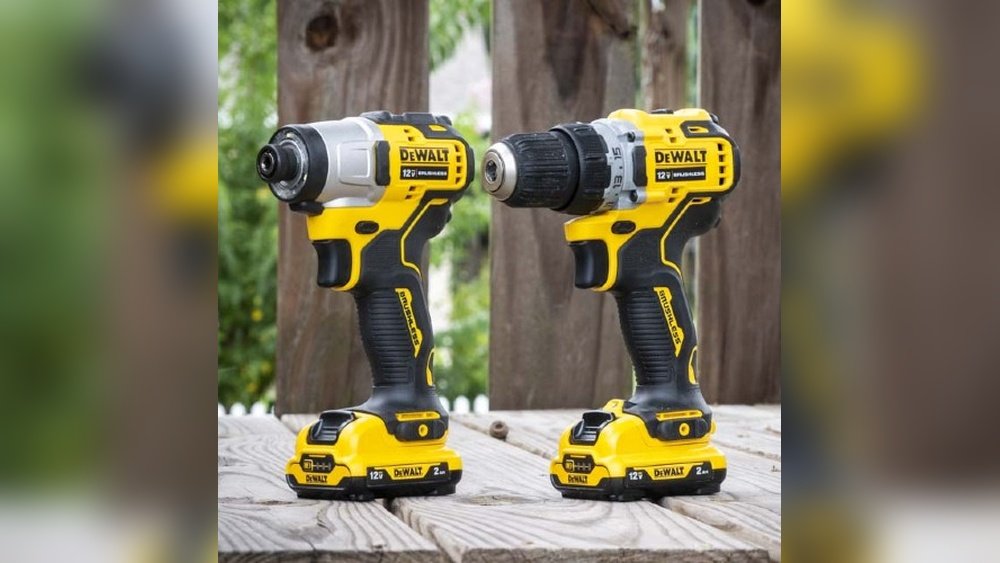
Are you confused about whether a hammer drill and an impact drill are the same tool? You’re not alone.
Many people mix them up because they look similar and both help with drilling tasks. But using the wrong drill can slow you down or even damage your project. You’ll discover the key differences between these two power tools. By the end, you’ll know exactly which drill to pick for your next job—and why it matters.
Keep reading to make your work easier and more efficient!
Hammer Drill Basics
The hammer drill is a popular power tool used for drilling holes in hard materials. It looks like a regular drill but works differently. This tool combines rotary motion with a hammering action. It makes drilling into tough surfaces easier and faster.
Understanding the basics of a hammer drill helps to know how it differs from an impact drill. The following sections explain its design, uses, and benefits.
Design And Mechanism
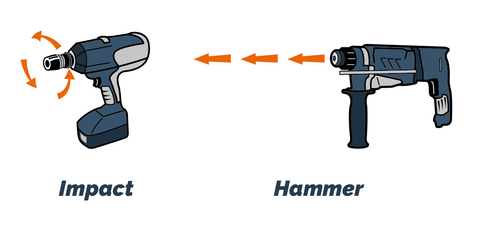
A hammer drill has a special mechanism inside. It delivers rapid hammering blows while rotating the drill bit. This action breaks up hard materials like concrete or brick. The hammering is powered by two metal discs that push against each other. This creates a forward and backward motion. The drill bit moves in and out quickly while spinning. This is different from a regular drill, which only spins.
Common Uses
Hammer drills are mainly used for drilling into masonry and concrete. They work well on bricks, stone, and cement walls. People use them to install anchors, screws, and pipes in hard surfaces. It is a useful tool for construction and home improvement projects. It is not ideal for wood or metal, where a regular drill works better.
Advantages
The main advantage of a hammer drill is its power on tough materials. It drills holes faster than a standard drill. It reduces user effort by breaking hard surfaces with hammering. The tool is versatile because it can work as a regular drill too. It offers better control and precision on rough surfaces. This makes it valuable for both professionals and DIYers.
Credit: holemaker-technology.com
Impact Drill Essentials
Impact drills are common tools in many toolkits. They help with tasks that need more power than a regular drill. Knowing how an impact drill works and what it can do helps choose the right tool for your job.
This section explains the basics of impact drills. It covers how they work, where they are used, and their main benefits.
How It Works
An impact drill uses two types of motion: rotation and quick bursts of force. The drill spins the bit like a normal drill. It also hits the bit forward in short, strong bursts. This hitting action helps drive screws and drill into hard materials more easily.
The force comes from a mechanism inside the drill called the hammering mechanism. It adds extra power without needing extra effort from you. This makes tough jobs easier and faster.
Typical Applications
Impact drills work well for driving screws into wood, metal, and plastic. They are great for building furniture or fixing things around the house. They also work well for drilling into concrete or brick when fitted with the right bit.
Many people use impact drills for construction and DIY projects. They handle jobs that need more force than a regular drill but less than a heavy hammer drill.
Benefits
Impact drills provide strong power with less strain on your hands. The hammering action reduces the chance of the bit slipping. This makes the work safer and cleaner.
They are usually lighter and smaller than hammer drills. This makes them easier to carry and use in tight spaces. Impact drills also use less battery power, so you can work longer between charges.
Comparing Hammer And Impact Drills
Comparing hammer drills and impact drills helps understand their unique features. Both tools serve different purposes in construction and DIY projects. Knowing their differences ensures you pick the right tool for the job.
Power And Performance
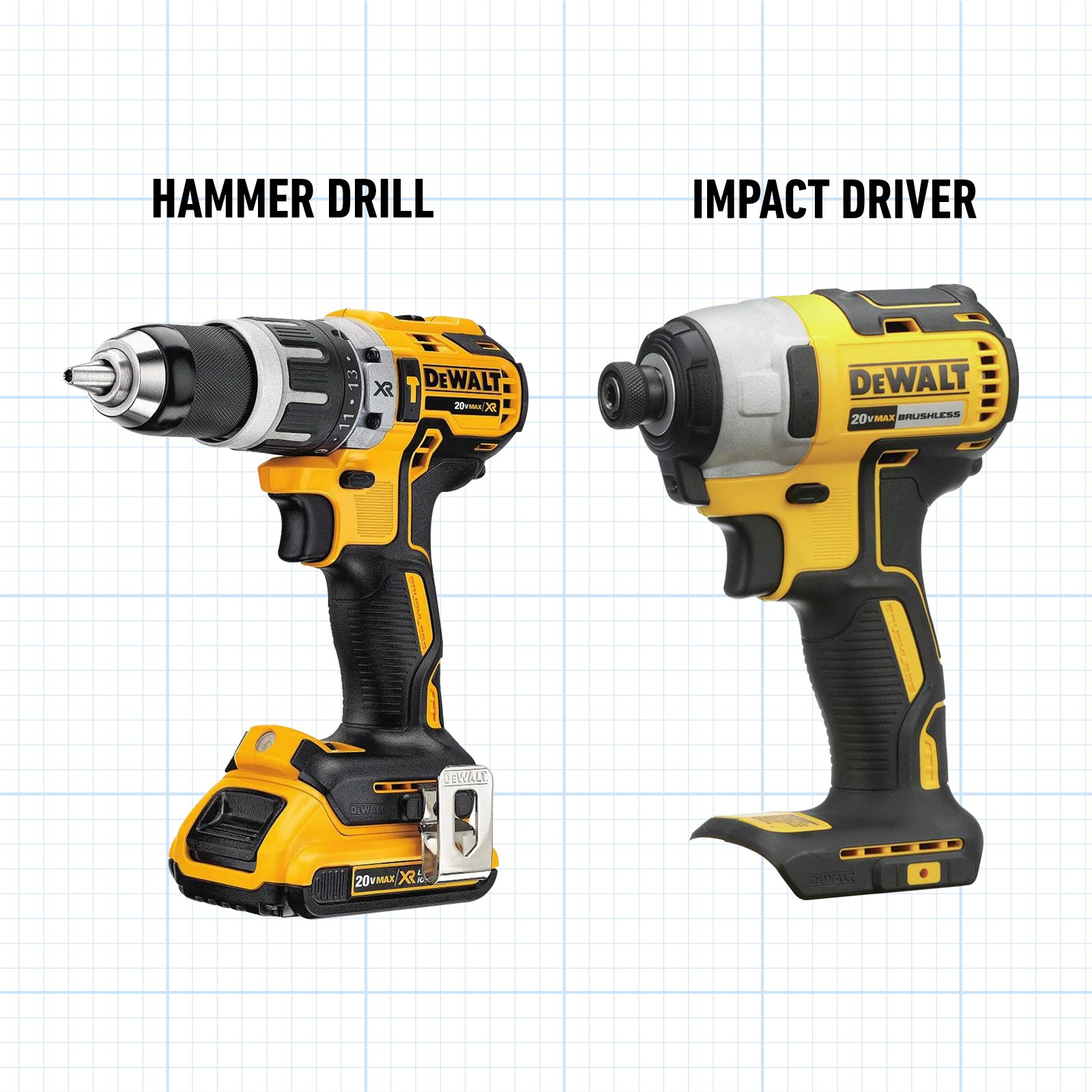
Hammer drills deliver steady power for drilling into hard materials. Impact drills focus on high torque to drive screws and bolts. Hammer drills handle tough jobs with strong, consistent force. Impact drills excel in tasks needing quick bursts of power.
Drilling Action
Hammer drills combine rotation with a hammering motion. This action breaks up concrete or brick while drilling. Impact drills use rotational impacts to tighten or loosen fasteners. They do not hammer but deliver quick, strong hits.
Material Suitability
Hammer drills work well on masonry, stone, and concrete. Impact drills suit wood, metal, and plastic. Hammer drills handle hard surfaces that need hammering. Impact drills are best for driving screws into softer materials.
Noise And Vibration
Hammer drills produce louder noise due to the hammering motion. They also create more vibration, which can tire the user. Impact drills are quieter and produce less vibration. This makes impact drills easier to use for long periods.
Choosing The Right Drill
Choosing the right drill depends on what you need to do. Both hammer drills and impact drills serve different purposes. Picking the right one makes your work easier and faster. Consider your project, budget, and skill level before buying a drill.
Each drill has strengths that suit different tasks. Knowing these helps you decide which drill fits your needs best.
Project Requirements
Think about the materials you will drill. Hammer drills work well on hard surfaces like concrete and brick. Impact drills are good for driving screws and drilling into wood or metal. The drill’s power and speed should match your project’s needs. Choose a drill that handles your tasks without extra effort.
Budget Considerations
Drills vary in price based on features and brand. Hammer drills tend to cost more than impact drills. Set a budget before shopping. Cheaper drills may lack durability or power. Spending a bit more can save money on repairs or replacements later. Balance cost with quality and features you need.
User Experience Level
Your skill with tools matters. Beginners may find impact drills easier to use. Hammer drills can be heavier and harder to control. Practice improves your skill and safety. Choose a drill you feel comfortable handling. This reduces mistakes and makes work faster.
Maintenance Tips
Proper maintenance keeps your hammer drill and impact drill working well. It helps avoid damage and extends the tool’s life. Simple care routines save money and prevent frustration during work.
Cleaning And Storage
After use, clean dust and debris from the drill. Use a dry cloth or brush to remove dirt. Avoid using water or harsh chemicals on the tool. Store the drill in a dry, cool place. Keep it in a case to protect from dust and damage.
Regular Checks
Check the drill for loose parts or worn-out bits. Tighten screws and replace damaged parts quickly. Inspect the power cord for cuts or frays. Test the drill’s function before each use to ensure safety. Regular checks prevent bigger problems later.
Troubleshooting Common Issues
If the drill won’t start, check the battery or power source. Overheating means the tool needs a break to cool down. Unusual noises can signal worn gears or loose parts. Slow or weak drilling may need a bit replacement. Fix small issues early to avoid costly repairs.
Credit: www.familyhandyman.com

Credit: www.youtube.com
Frequently Asked Questions
What Is The Main Difference Between Hammer And Impact Drills?
A hammer drill uses a hammering motion to drill into hard materials. An impact drill delivers rotational force combined with concussive blows to drive screws. They serve different purposes and are not interchangeable.
Can I Use A Hammer Drill As An Impact Drill?
No, hammer drills are designed for drilling into masonry, not driving screws. Impact drills provide better torque and control for fastening tasks, making them unsuitable for hammer drill functions.
Which Drill Is Better For Masonry Work, Hammer Or Impact?
Hammer drills are better for masonry because they combine rotation with hammering action. Impact drills lack the hammering mechanism, making them less effective for drilling into concrete or brick.
Are Hammer Drills Suitable For Driving Screws?
Hammer drills are not ideal for driving screws. Their hammering action can damage screws and materials. Impact drills offer better precision and torque control for fastening jobs.
Conclusion
Hammer drills and impact drills serve different purposes. Hammer drills are best for drilling into hard materials like concrete. Impact drills work well for driving screws and bolts. Choosing the right tool depends on your task. Both tools can make work easier when used correctly.
Understanding their differences saves time and effort. Use each drill for what it does best. This way, you get better results and avoid damage. Knowing these basics helps you work smarter and safer.
