


Are you wondering if your cordless drill can double as a screwdriver? You’re not alone.
Many people ask this question because having one tool that does both jobs sounds like a great time-saver. But before you start using your drill to drive screws, there are a few important things you should know. You’ll discover how a cordless drill works as a screwdriver, when it’s a good idea to use it, and how to avoid common mistakes that could damage your project or your tool.
Keep reading to make sure you get the most out of your cordless drill without any hassle.
Cordless Drill Basics
A cordless drill is a popular tool for many tasks at home or work. It runs on batteries, so there is no need for a power cord. This makes it easy to move and use in different places. Understanding the basics of a cordless drill helps you know if it can replace a screwdriver.
Cordless drills come in many shapes and sizes. They are simple to operate and carry out drilling and screwing jobs. Knowing its key features and common uses gives a clear picture of its abilities.
Key Features
A cordless drill has a motor powered by a rechargeable battery. It includes a chuck to hold drill bits or screwdriver bits. Speed control allows you to adjust how fast the drill spins. Many models have a clutch to control the torque. This prevents overdriving or stripping screws. Lightweight design makes it easy to handle. LED lights help work in dark spaces.
Common Uses
People use cordless drills to make holes in wood, metal, or plastic. It also drives screws into different materials. It helps assemble furniture, fix appliances, or build shelves. The drill can mix paint or small batches of cement. Some use it for sanding with the right attachment. Its versatility makes it a helpful tool for many jobs.
Credit: stonedesignbysantos.com
Cordless Drill Vs Screwdriver
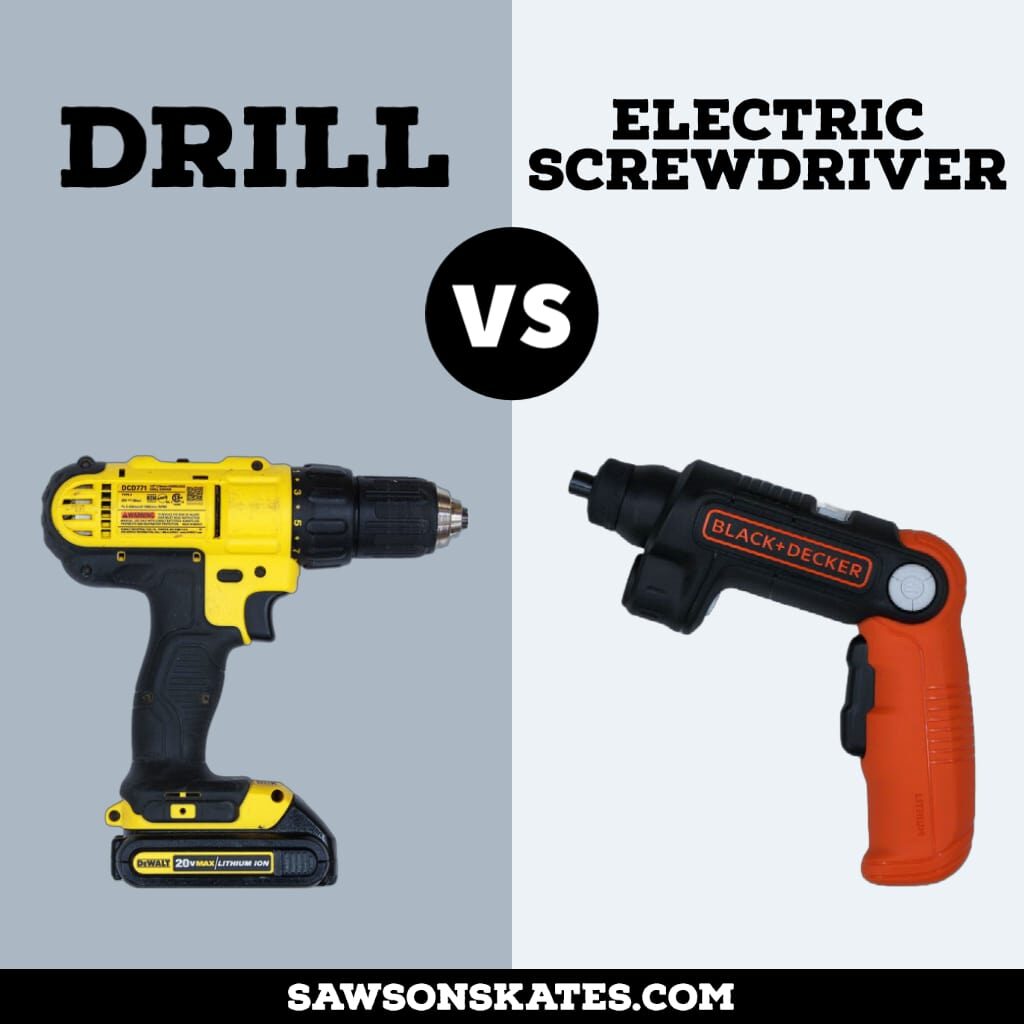
Choosing between a cordless drill and a screwdriver can be confusing. Both tools help with screws but serve different purposes. Understanding their differences helps in picking the right tool for your task. Below, we compare their design and functionality to clarify which tool suits your needs better.
Design Differences
Cordless drills have a larger body to house the motor and battery. They usually come with a keyless chuck to change drill bits easily. This design makes them versatile for drilling holes and driving screws.
Screwdrivers are smaller and lighter. They have a fixed or interchangeable bit holder. Their compact design fits tight spaces and allows better control during screw driving.
Functionality Comparison
Cordless drills offer variable speed settings and adjustable torque. This flexibility helps in handling different materials and screw sizes. They also work well for drilling holes.
Screwdrivers provide consistent torque and speed. They are designed mainly for driving screws without slipping or stripping them. Their simpler mechanism focuses on precision rather than power.
Using A Cordless Drill As A Screwdriver
Using a cordless drill as a screwdriver can save time and effort. Many drills have features that make them suitable for driving screws. Understanding how to use a drill this way can help you complete tasks faster and with less strain.
Choosing The Right Bit
Select a bit that fits the screw head tightly. A loose fit can strip the screw or damage the bit. Common bits include Phillips, flathead, and Torx. Use a magnetic bit holder to keep screws in place. This prevents slipping and speeds up your work.
Adjusting Speed And Torque
Set your drill to a low speed for better control. High speed may cause screws to go in too fast or strip. Adjust the torque setting to match the screw size. Lower torque works for small screws, higher torque for large ones. Stop drilling once the screw is flush with the surface.
Pros And Cons
Using a cordless drill as a screwdriver has its benefits and drawbacks. It can save space and money by combining two tools into one. Yet, it may not always perform like a dedicated screwdriver. Understanding the pros and cons helps you decide if it suits your needs.
Advantages
A cordless drill offers strong power for driving screws quickly. It can handle tough materials like wood and metal with ease. Adjustable speed settings give control for delicate or heavy tasks. Its cordless design allows freedom of movement without cords. Many drills have built-in clutch settings to avoid over-tightening screws. This tool can replace multiple screwdrivers, reducing clutter.
Limitations
Drills are often bulkier than regular screwdrivers, which affects precision. Small screws or tight spaces can be hard to reach with a drill. The drill’s power may strip or damage soft screws easily. Battery life limits how long you can use it without recharging. Some drills lack the fine control needed for delicate jobs. Using a drill for light screwing might feel awkward or heavy.
Safety Tips
Using a cordless drill as a screwdriver can make tasks easier. Safety is very important during this process. Following simple safety tips helps avoid injuries and damage. Always focus on control and care when handling tools.
Proper Handling
Hold the drill firmly with both hands. Keep fingers away from the spinning bit. Wear safety glasses to protect your eyes from flying debris. Use the right drill bit for screws. Start at a low speed to keep control. Make sure the drill is off before changing bits. Never force the drill into the screw. Let the drill do the work gently.
Preventing Damage
Check the screw and drill bit size before starting. Using the wrong size can strip screws or damage wood. Do not over-tighten screws; it can break them or ruin the material. Keep the drill battery charged but do not overheat it. Avoid pressing too hard to protect the drill motor. Store the drill in a dry place to prevent rust. Clean the drill bits regularly for better performance.

Credit: www.youtube.com
Best Practices For Efficient Use
Using a cordless drill as a screwdriver can save time and effort. To get the best results, follow some simple tips. These help the tool work well and last longer. Proper care makes your work smoother and more efficient.
Battery Management
Charge the battery fully before starting your task. Avoid letting it drain completely. Store the battery in a cool, dry place. Remove the battery when the drill is not in use. Keep spare batteries ready to avoid delays. Clean battery contacts regularly for better connection.
Maintaining The Tool
Keep the drill clean and free from dust. Wipe it after each use with a dry cloth. Check the drill bits and screwdriver heads often. Replace worn or damaged bits to avoid slipping. Tighten loose parts to keep the tool stable. Lubricate moving parts as per the manual’s advice.

Credit: www.youtube.com
Frequently Asked Questions
Can A Cordless Drill Replace A Screwdriver Effectively?
Yes, a cordless drill can replace a screwdriver for most tasks. It provides more power and speed, making screw driving faster and easier. However, use the right drill bit and adjust torque settings to avoid overdriving or damaging screws.
What Settings Make A Cordless Drill Good For Screwing?
Use low torque and a slow speed setting for screwing tasks. This prevents stripping screws or damaging materials. Most cordless drills have adjustable clutch settings to control torque, which is essential for precise screw driving.
Are Cordless Drills Suitable For Delicate Screw Jobs?
Yes, cordless drills can be used for delicate jobs if torque is set low. Always use the correct bit size and apply gentle pressure to avoid stripping screws or damaging surfaces.
How To Choose The Right Bit For Cordless Drill Screwdriving?
Select a bit that matches your screw head type and size exactly. Common types include Phillips, flathead, and Torx. Proper bits ensure efficient driving and prevent damage to screws or drill bits.
Conclusion
A cordless drill works well as a screwdriver in many cases. It offers power and speed to drive screws quickly. Just use the right bit and set the torque low. This helps avoid stripping screws or damaging materials. For small jobs, it saves time and effort.
Yet, for delicate tasks, a manual screwdriver may be better. Knowing when to switch tools makes your work easier and safer. In short, a cordless drill can do the job, but use it carefully.
