


Have you ever wondered if your trusty cordless drill can handle nails instead of just screws? It’s a question many DIY enthusiasts and homeowners ask when tackling quick fixes or projects around the house.
Using nails with a cordless drill might sound like a time-saver, but is it really possible—or even safe? You’ll discover the truth about cordless drills and nails, what tools work best, and how to avoid common mistakes that could cost you time and money.
Keep reading to unlock the secrets to making your next project easier and more efficient.
Cordless Drill Basics
A cordless drill is a handy tool for many jobs around the house. It uses a battery, so you don’t need a power cord. This makes it easy to carry and use in different places. Knowing how a cordless drill works helps to use it better and safely.
Many people wonder if a cordless drill can work with nails. To answer that, first, you must understand the basics of cordless drills. This section explains how these tools operate and their common uses.
How Cordless Drills Work
A cordless drill runs on a rechargeable battery. The battery powers a small motor inside the drill. This motor turns a chuck, which holds drill bits or screwdriver bits. You can change the bits depending on the job.
The drill has a trigger to control the speed. Pressing it lightly makes the drill turn slowly. Pressing it fully makes the drill spin faster. Some drills also let you change the direction to tighten or loosen screws.
Common Uses For Cordless Drills
Cordless drills are mainly for drilling holes in wood, metal, or plastic. They also drive screws into different materials. This helps in building furniture or fixing things at home.
People use cordless drills for installing shelves, hanging pictures, and assembling kits. They save time and effort compared to manual screwdrivers. Many also use cordless drills for light construction tasks.

Credit: modelones.com
Nails Vs. Screws
Nails and screws are both common fasteners in construction and woodworking. Each has unique features that suit different projects and tools. Understanding their differences helps choose the right fastener.
Differences In Design
Nails are smooth or have small ridges. They rely on friction to hold materials together. Screws have threads that grip wood or metal tightly. This threading creates a stronger hold than nails.
Nails are easier to insert quickly using a hammer or nail gun. Screws need a drill or screwdriver to turn them into the material. The head shapes differ too. Nails have flat or rounded heads. Screws have slotted or cross-shaped heads for drivers.
When To Choose Nails
Nails work best for quick, temporary holds. They are good in framing or attaching trim where some movement is okay. Nails bend instead of breaking under pressure, allowing some flexibility.
Use nails for lightweight wood projects or where speed matters. They work well with cordless nailers or manual hammering. Nails are less likely to split thin wood pieces.
Using Nails With Cordless Drills
Using nails with cordless drills is a common question for many DIY enthusiasts. Cordless drills are designed mainly for screws, not nails. Nails and screws serve different purposes in construction and repair work. Understanding how these tools work helps in choosing the right one for your project.
Feasibility And Limitations
Cordless drills cannot drive nails directly. Nails require a hammer or a nail gun for proper installation. The drill’s chuck cannot hold nails securely. Nails lack the threads that screws have, so drills cannot twist them in. Trying to use nails with a cordless drill can cause damage to the tool or workpiece. Some nails may bend or slip when forced by a drill. This makes nails unsuitable for cordless drills in most cases.
Safety Considerations
Using nails incorrectly with a drill can be dangerous. Nails can fly out or break, causing injury. The drill bit or chuck may slip and cause accidents. Always wear safety glasses and gloves when working with nails or drills. Use the right tool for the job to avoid mishaps. Nail guns or hammers are safer and more effective for nails. Protect your hands and eyes from flying debris or broken nails.

Credit: www.amazon.com
Alternative Tools For Nails
Using nails with a cordless drill is not the best choice. Nails need a different tool to be set properly. Many tools exist to make nailing easier and faster. These tools help keep nails in place and avoid damage. Below are some common alternatives for working with nails.
Nail Guns
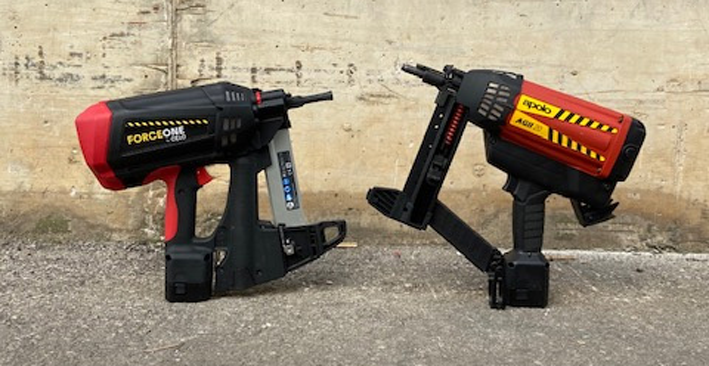
Nail guns are perfect for driving nails quickly. They use air or electricity to push nails into wood. This tool saves time and effort on large projects. Nail guns also reduce the chance of hitting your fingers. They come in different sizes for various nail lengths. Ideal for framing, roofing, and finishing work.
Hammer Techniques
Hammers are the classic tool for nails. Using a hammer well takes practice and skill. Hold the nail steady with your fingers. Tap it lightly to set it in place first. Then use stronger hits to drive the nail fully. Use the hammer’s claw to remove bent or stuck nails. Different hammers suit different jobs, like framing or finishing.
Tips For Efficient Drilling
Using a cordless drill with nails needs care and the right approach. Efficient drilling helps you finish jobs quickly and safely. Small changes in how you use the drill can improve your work a lot. Below are key tips to help you drill better with nails.
Drill Bit Selection
Choosing the correct drill bit is very important. Use a bit slightly smaller than the nail’s thickness. This makes room for the nail and stops wood from splitting. For soft wood, a standard twist bit works well. For harder wood, a brad point bit gives more control. Avoid using bits that are too large or dull. Sharp bits make clean holes and save your drill’s battery.
Proper Speed Settings
Adjust the drill speed to match your task. Use a low speed when drilling holes for nails. Low speed prevents the drill from slipping or damaging the wood. High speed can heat the drill bit and weaken the wood. Start slow and increase speed if needed. Keep steady pressure without pushing too hard. This protects the drill and keeps nails straight.
Expert Advice
Experts share key tips about using a cordless drill with nails. This advice helps avoid damage and get better results. Knowing common mistakes and care tips extends your tool’s life.
Avoiding Common Mistakes
Using nails with a cordless drill is not the same as using screws. Nails need a hammer or nail gun for proper fastening. Forcing nails into wood with a drill can damage the tool and the material.
Drills spin, but nails require a pushing force. This difference makes nails slip or bend. Use the right tool for nails to avoid accidents and poor work quality.
Maximizing Tool Longevity
Keep your cordless drill clean and dry after each use. Dirt and moisture can harm the motor and battery. Store it in a cool, dry place away from sunlight.
Use the drill only for its intended purpose. Avoid using it with nails or other unsuitable fasteners. Regularly check the drill bits and replace worn-out parts. Proper care helps your drill work well for many years.
Credit: www.celofixings.com
Frequently Asked Questions
Can A Cordless Drill Drive Nails Directly?
No, cordless drills are designed for screws, not nails. Nails require a hammer or nail gun for proper driving.
How To Use Nails With A Cordless Drill Safely?
You can use a drill to create pilot holes for nails. Then, hammer the nails in to avoid damage or injury.
Are Nails Or Screws Better With A Cordless Drill?
Screws are better for cordless drills since they provide stronger holding power and are easier to drive with a drill.
Can A Cordless Drill Remove Nails Effectively?
No, cordless drills cannot remove nails. Use a claw hammer or pry bar to safely extract nails from surfaces.
Conclusion
A cordless drill works well with screws, not nails. Nails need a hammer or nail gun to go in properly. Using a drill with nails can bend or break them. This can cause damage or injury. For safety and best results, use tools made for nails.
Cordless drills are great for many tasks but not for nailing. Choose the right tool for your project to save time and effort. Simple tools, used correctly, make work easier and safer.
