


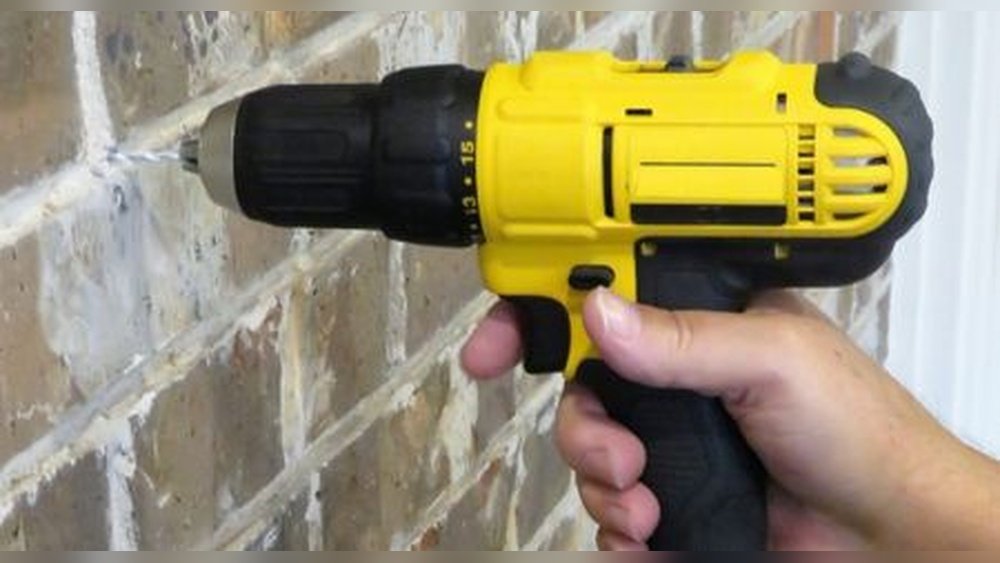
Are you wondering if your cordless drill can handle drilling through brick? It’s a common question, especially when you want to hang shelves, install lights, or tackle other home projects.
You might be worried about damaging your drill or wasting time. The good news is, with the right approach, your cordless drill might just be up to the task. Keep reading to find out what you need to know to drill through brick safely and effectively—without frustration or extra trips to the hardware store.
Cordless Drill Basics
Cordless drills are popular tools for many jobs around the house and workshop. They work on batteries, so no cords limit your movement. This freedom makes them useful for drilling in many places, including outdoors.
Understanding the basics of cordless drills helps you choose the right tool. Different drills have different features and uses. Knowing these can help you decide if a cordless drill can go through brick or other tough materials.
Key Features
Cordless drills come with various features that affect their performance. Battery power is important. Higher voltage means more power and longer run time. Torque tells how much turning force the drill has. More torque means it can drill harder materials.
Speed settings allow control over the drill’s rotation. Some drills also have a hammer mode. This mode helps drill into hard surfaces like brick or concrete by adding a hammering action. Weight and size affect how easy the drill is to handle.
Types Of Cordless Drills
There are several types of cordless drills. The most common is the standard drill driver. It works well for wood, metal, and light masonry. Hammer drills are designed for tougher jobs. They add a pounding motion to drill into brick or stone.
Impact drivers are another type. They deliver strong bursts of torque for driving screws but are less suited for drilling into hard materials. Choose the drill type based on your project needs and materials.

Credit: www.reddit.com
Brick Characteristics
Understanding the characteristics of brick helps to know if a cordless drill can handle it. Bricks have different properties that affect drilling ease and tool choice. The density and type of brick play major roles in drilling performance. Let’s explore these key features.
Material Density
Density measures how compact the brick material is. Denser bricks are harder and tougher to drill. Soft bricks have more air pockets, making drilling easier. Hard, dense bricks require stronger drill bits and more power. Knowing the density helps choose the right drill and bit for the job.
Common Brick Types
There are various brick types used in building walls and structures. Clay bricks are the most popular and come in different hardness levels. Concrete bricks are denser and more durable than clay bricks. Some bricks have a smooth surface, while others are rough. Each type affects drilling speed and bit wear differently.
Drilling Through Brick
Drilling through brick can be tough but possible with the right tools. A cordless drill can do the job if you prepare properly. The key is to use the correct drill bits and settings. Also, the drilling technique matters a lot. Proper care helps avoid damage to the brick or drill.
Required Drill Bits
Use masonry drill bits made for bricks and concrete. These bits have a special tip made from carbide. This tip cuts through hard surfaces easily. Avoid using regular wood or metal bits. They wear out fast and can break. Buy bits in the right size for your screws or anchors.
Drill Settings
Set the drill to hammer mode if available. This setting adds a pounding action to the drill. It helps break the brick as you drill. Use a low to medium speed to control the drill. High speed can overheat the bit or damage the brick. Apply steady, moderate pressure while drilling.
Proper Technique
Mark the spot on the brick where you want to drill. Start drilling slowly to create a small hole. Keep the drill straight and steady. Pause occasionally to clear dust from the hole. Use water to cool the drill bit if needed. This prevents overheating and bit damage. Finish drilling gently to avoid cracking the brick.
Credit: www.reddit.com
Preparation Tips
Preparation is key before drilling into brick with a cordless drill. Taking the right steps improves safety and accuracy. It also helps avoid damage to the brick or your tool. Follow these simple preparation tips for the best results.
Safety Gear
Wear safety glasses to protect your eyes from dust and debris. Use ear protection to reduce noise from drilling. Wear gloves to protect your hands from sharp edges and vibration. A dust mask helps keep fine particles out of your lungs.
Marking The Spot
Use a pencil or marker to mark the exact spot to drill. Check twice to ensure the mark is in the right place. A clear mark helps guide the drill and keeps the hole straight. It prevents mistakes and wasted effort.
Securing The Work Area
Clear the area around the drill spot to avoid tripping hazards. Remove loose items that could fall or get in the way. Make sure the drill has a stable surface to rest on. Secure ladders or scaffolding if working at height.
Troubleshooting Challenges
Drilling into brick with a cordless drill can be tricky. Many face problems that slow down the work or cause damage. Understanding common challenges helps keep the process smooth. Simple fixes can make a big difference.
Avoiding Drill Bit Slippage
Slippage happens when the drill bit moves on the brick surface. It can scratch the brick or ruin the hole. Use a center punch to make a small dent first. This dent stops the bit from sliding around. Start drilling slowly to keep control. A sharp masonry bit fits better and grips stronger.
Overcoming Tough Bricks
Some bricks are very hard and resist drilling. Use a drill with enough power and a hammer function if possible. Let the drill do the work without pushing too hard. Overheating the bit wears it out fast. Take breaks to cool the bit and brick. Change to a new bit if the old one dulls.
Dealing With Dust And Debris
Dust blocks the drill bit and hides the hole. Clear dust often to keep drilling steady. Use a vacuum or blow air to remove debris. Wearing eye protection keeps dust out of your eyes. A clean hole helps the screw or anchor fit tight.
Enhancing Drill Performance
Enhancing the performance of a cordless drill is key to drilling through tough materials like brick. Using the right techniques and tools helps the drill work better and last longer. Small steps make a big difference in drilling efficiency and tool life.
Focus on power, settings, and care. This improves the drill’s ability to handle hard surfaces safely.
Battery Management
Strong battery power is vital for drilling through brick. Keep the battery fully charged before use. Use batteries with high amp-hours for longer run time. Avoid letting the battery drain completely as it can reduce battery life. Store batteries in a cool, dry place to keep them healthy.
Using Hammer Function
The hammer function helps the drill break brick easily. This setting adds a pounding motion to the drill bit. It makes holes faster and with less effort. Use the hammer mode only for masonry tasks. Switch to normal mode for wood or metal to avoid damage.
Maintenance Tips
Regular maintenance keeps the drill working well. Clean the drill after each use to remove dust and debris. Check the drill bit for wear and replace if dull. Lubricate moving parts according to the manufacturer’s guide. Store the drill in a safe place to prevent damage.
Alternative Tools
Drilling into brick requires the right tools to work efficiently and safely. A cordless drill might not be strong enough for this tough material. Alternative tools provide better power and control for brickwork. These tools make drilling faster and reduce damage to the brick.
Hammer Drills
Hammer drills combine rotation with a hammering action. This helps break the brick as the drill spins. They are more powerful than regular cordless drills. Hammer drills use special masonry bits for better results. They work well for small to medium holes in brick.
Rotary Hammers
Rotary hammers are stronger than hammer drills. They use a piston mechanism to deliver harder hits. This makes drilling through thick or tough brick easier. Rotary hammers handle bigger holes and longer projects. They reduce user fatigue by doing more work with less effort.
Manual Options
Manual tools still have a place in brickwork. A masonry chisel and hammer can create holes or openings. This method takes more time and effort. It works well for small tasks or repairs. Manual tools offer control when power tools are not available.

Credit: www.acquetech.com
Frequently Asked Questions
Can A Cordless Drill Penetrate Brick Walls Effectively?
Yes, a cordless drill can penetrate brick walls if used with the right masonry drill bit. It may require a powerful drill and proper technique for best results.
What Type Of Drill Bit Is Best For Brick?
A carbide-tipped masonry drill bit is ideal for drilling into brick. It is designed to withstand hard materials and prevent bit damage.
How Long Does It Take To Drill Through Brick With Cordless Drill?
Drilling time varies by brick hardness and drill power but usually takes 30 seconds to a minute per hole. Patience and steady pressure improve results.
Can A Cordless Drill Handle Multiple Holes In Brick?
A cordless drill can handle multiple holes if it has sufficient battery life and you use quality bits. Allow cooling breaks to avoid overheating.
Conclusion
A cordless drill can drill through brick with the right bit and power. Choose a masonry drill bit made for bricks. Start drilling slowly to avoid cracking the brick. Use steady pressure and let the drill do the work. Battery life matters; a fully charged drill works best.
Cordless drills offer great convenience for small brick projects. Keep safety in mind by wearing protective glasses and gloves. With care and the right tools, drilling brick is possible. Try these tips for your next brick drilling task.
