


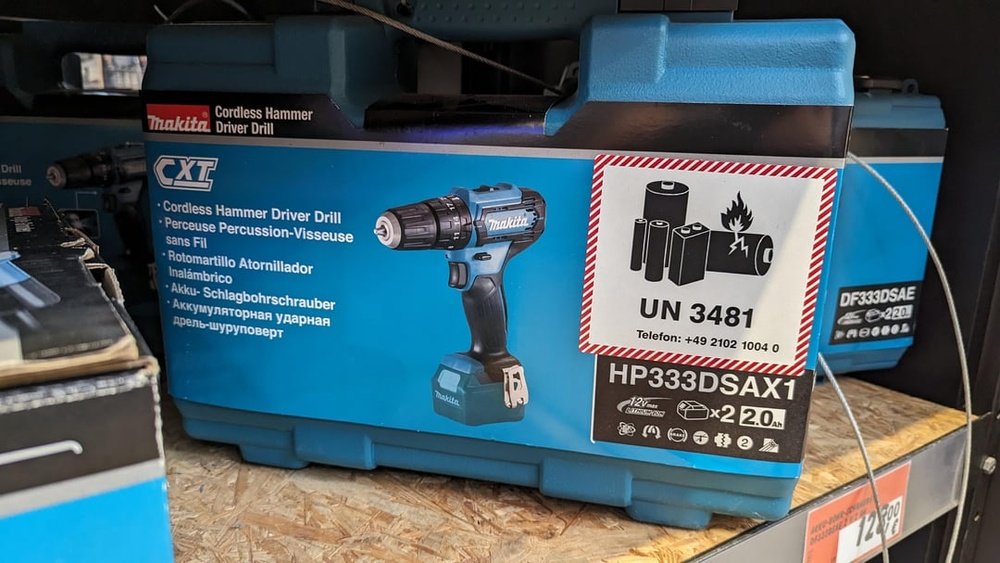
Are you wondering if your cordless drill can handle the tough job of drilling through concrete? It’s a common question, especially when you want to save time and avoid renting heavy equipment.
You might be surprised to learn how powerful these handy tools really are—and what you need to do to get the best results. Keep reading to discover whether your cordless drill can take on concrete, what tools and tips will make the job easier, and how to avoid common mistakes that could slow you down or damage your drill.
This guide will give you the confidence to tackle concrete with your cordless drill like a pro.
Cordless Drills And Concrete Basics
Cordless drills are common tools for many home projects. Knowing how they work with concrete helps you use them well. Concrete is a tough material. It needs the right drill and technique to make holes.
This section explains how cordless drills work, what concrete is like, and why drilling concrete is hard. These basics help you decide if a cordless drill can handle concrete jobs.
How Cordless Drills Work
Cordless drills run on batteries. They have a motor that spins the drill bit. You can change the speed and torque for different tasks.
Many cordless drills have a hammer function. This adds a forward pounding action. It helps break hard materials like concrete.
Battery life affects drill power. Strong batteries give more power and longer use.
Properties Of Concrete
Concrete is made from cement, sand, gravel, and water. It hardens into a solid, dense material. This makes it very strong but hard to drill.
Its rough texture can wear down drill bits quickly. Concrete also contains small rocks that add to its toughness.
Moisture in concrete can affect drilling. Wet concrete is softer but can clog the drill bit.
Challenges Drilling Concrete Presents
Concrete is tough and can cause drill bits to overheat. This reduces bit life and drilling speed.
Drilling without the hammer function takes longer. The drill must break concrete by grinding, which is slow.
Using the wrong drill bit leads to poor results. Masonry bits are best for concrete.
Battery power limits cordless drills. Long or deep holes may drain batteries fast.
Choosing The Right Drill And Accessories
Choosing the right drill and accessories is key for drilling into concrete. The correct tools make the job easier and safer. Not all cordless drills suit concrete work. Some drills lack the power or features needed. Accessories like drill bits also affect the result. Understanding these parts helps pick the best tools for the task.
Battery Power And Torque Considerations
Battery power impacts how well a drill handles tough materials. Higher voltage means stronger power. Choose drills with at least 18 volts for concrete. Torque shows the drill’s twisting force. More torque helps the drill push through hard surfaces. Look for drills with adjustable torque settings. This control prevents damage and improves precision.
Selecting Masonry Drill Bits
Masonry bits are made for concrete and stone. They have a special tip to break hard materials. Choose bits with carbide tips for durability. Size matters too. Match the bit size to the hole needed. Dull or wrong bits slow down work and cause wear. Keep bits sharp and replace them when worn out.
Impact Vs. Hammer Drill Features
Impact drills add quick bursts of force while spinning. They work well for wood and metal. Hammer drills combine rotation with a hammering action. This makes hammer drills better for concrete. Some cordless drills offer both modes. Use hammer mode for concrete and impact for lighter tasks. This versatility adds value to your drill.
Preparation Before Drilling
Drilling into concrete requires careful preparation. This helps you work safely and get good results. Proper setup reduces mistakes and protects your tools. Follow simple steps before you start drilling. These steps make your job easier and safer.
Safety Gear Essentials
Wear safety glasses to protect your eyes from dust and debris. Use ear protection to reduce noise from the drill. Gloves keep your hands safe from rough surfaces and vibrations. Wear a dust mask to avoid breathing in fine particles. Choose sturdy shoes to protect your feet from falling objects. Safety gear is important for every concrete drilling task.
Marking And Measuring Drill Points
Measure the exact spot where you want to drill. Use a pencil or marker to make a clear mark. Double-check measurements to avoid mistakes. Marking helps guide the drill and keeps holes straight. Accurate points save time and prevent damage to walls or floors. Take your time to get this step right.
Setting Up The Work Area
Clear the area around the drill site. Remove furniture, tools, and anything that may get in the way. Lay down a drop cloth to catch dust and debris. Ensure good lighting so you can see the drill points clearly. Keep a bucket or vacuum nearby to clean up dust quickly. A tidy work area helps you focus and work safely.

Credit: www.reddit.com
Step-by-step Drilling Process
Drilling through concrete with a cordless drill takes care and the right steps. Each part of the process matters to get a clean hole without damaging the drill or the surface. Follow these steps to drill safely and effectively.
Starting The Pilot Hole
Begin with a small drill bit to make a pilot hole. This guides the bigger bit and stops it from slipping. Hold the drill steady and start at a low speed. Drill slowly until the pilot hole is deep enough for the larger bit.
Maintaining Drill Angle And Pressure
Keep the drill straight and steady. Hold it at a 90-degree angle to the concrete. Apply firm but gentle pressure. Too much force can break the bit or drill. Let the drill do the work. Keep the speed steady as you go deeper.
Cooling And Cleaning The Drill Bit
Concrete dust heats the drill bit quickly. Stop often to cool the bit with water or air. Clean the dust from the hole and bit regularly. This helps the drill cut better and lasts longer. Keeping the bit cool stops it from wearing out fast.
Troubleshooting Common Issues
Troubleshooting common problems helps you work better with a cordless drill on concrete. Understanding these issues saves time and effort. It also protects your tools and materials. Below are some common problems and ways to fix them.
Overheating And Battery Drain
Drilling concrete uses a lot of power. This can make your drill hot quickly. Overheating may cause the drill to stop working. Let the drill cool down after short use. Use the right drill speed for concrete. Batteries also drain faster with heavy use. Keep spare batteries charged and ready. Avoid using the drill at full power all the time.
Bit Slipping And Skidding
The drill bit may slip on the concrete surface. This can cause uneven holes or damage. Use a hammer drill bit designed for concrete. Start with a small guide hole. Hold the drill firmly and keep it steady. Apply steady pressure, but do not push too hard. Change worn or dull bits to get better grip.
Dealing With Reinforced Concrete
Reinforced concrete has steel bars inside. These bars can stop the drill bit. Use a drill bit that can cut metal and concrete. Drill slowly when you hit steel bars. Apply less pressure to avoid damaging the drill. If the bit wears out fast, replace it quickly. Consider a hammer drill with more power for tough jobs.

Credit: www.reddit.com
Alternatives For Heavy-duty Concrete Drilling
Heavy-duty concrete drilling demands more power and precision than cordless drills can offer. Specialized tools provide better control and efficiency for tough jobs. These alternatives work well for thick, hard concrete surfaces and large holes.
They reduce effort and save time. Choosing the right tool depends on the project’s size and depth.
Corded Hammer Drills
Corded hammer drills deliver strong, continuous power. They combine rotation with a hammering action. This breaks concrete while drilling holes. These drills handle medium to heavy tasks well. They need a power outlet but offer steady performance. Ideal for smaller or medium concrete projects.
Rotary Hammers
Rotary hammers are stronger than hammer drills. They use a piston mechanism for stronger impact. They drill deeper and faster in hard concrete. Perfect for large holes or heavy work. Many models include chiseling functions. Better for professionals or serious DIYers.
Core Drilling Machines
Core drilling machines create large, precise holes. They use diamond-tipped bits to cut through concrete. Often used for plumbing, wiring, or installing anchors. These machines can drill wide and deep holes. Require steady handling and some skill. Best for specialized, heavy-duty concrete drilling.
Tips To Extend Drill And Bit Life
Extending the life of your cordless drill and bits saves money and improves work quality. Proper care and smart use keep them sharp and strong for longer. Follow these tips to maintain your tools well and get the best results.
Proper Maintenance Practices
Clean your drill and bits after every use. Dust and debris can wear down parts fast. Use a dry cloth to wipe the drill and a brush for the bits. Check for damage or wear regularly. Replace bits that are dull or cracked to avoid poor performance.
Using The Right Speed Settings
Use slower speeds for drilling into hard materials like concrete. High speed can overheat the bit and cause it to wear out quickly. Match the speed to the drill bit and material. This reduces friction and extends the life of both drill and bit.
Storing Tools Correctly
Store your drill and bits in a dry, cool place. Avoid damp areas that cause rust and corrosion. Keep bits in their case or a dedicated holder to prevent damage. Proper storage keeps tools safe and ready for use.

Credit: www.youtube.com
Frequently Asked Questions
Can A Cordless Drill Effectively Drill Through Concrete?
Yes, a cordless drill can drill through concrete if equipped with a hammer function and a masonry bit. It works best on small to medium holes and light-duty tasks.
What Drill Bit Is Best For Concrete With A Cordless Drill?
Use a carbide-tipped masonry bit for concrete. These bits are designed to handle hard surfaces and provide efficient drilling with a cordless drill.
How Long Does It Take To Drill Concrete With A Cordless Drill?
Drilling time depends on concrete hardness and drill power. Typically, small holes take a few minutes, while larger holes may take longer.
Can A Cordless Drill Replace A Hammer Drill For Concrete?
A cordless hammer drill is ideal for concrete. Standard cordless drills lack impact action, making them less effective and slower on concrete surfaces.
Conclusion
A cordless drill can handle light concrete work well. Choose the right drill bit for better results. Use steady pressure and avoid forcing the drill. Battery power limits deep or large holes. For tougher jobs, consider a hammer drill instead.
Safety gear protects you during drilling. Small projects become easier with a cordless drill. Keep your drill charged and bits sharp. Practice helps improve your drilling skills. Simple tasks are doable without heavy tools.
