



Have you ever wondered if your cordless drill can cut through metal? You might be facing a project that requires drilling into tough materials, and the last thing you want is to damage your tool or waste time.
Understanding whether a cordless drill can handle metal is key to getting the job done right. You’ll discover exactly what your drill is capable of, what tools and tips you need, and how to work safely and efficiently. Keep reading to make sure your next project goes smoothly without unexpected surprises.
Cordless Drills And Metal Basics
Cordless drills are common tools in many homes and workshops. They make drilling easier by removing the need for a power cord. Understanding how these drills work helps to know if they can drill through metal. Metal varies in type and hardness, which affects drilling performance.
This section explains the basics of cordless drills and metal types. It helps you learn which metals are easier to drill and how cordless drills handle them.
How Cordless Drills Work
Cordless drills use a rechargeable battery to power a motor. The motor spins the drill bit at different speeds. You can adjust the speed for different materials. Higher speed is often needed for softer materials. Lower speed is better for harder metals to avoid damage.
The drill’s torque, or twisting force, is important. More torque helps drill through tough metals. Modern cordless drills offer variable speed and torque settings. This gives control over drilling tasks.
Types Of Metals And Their Hardness
Metals differ in hardness and strength. Soft metals like aluminum are easy to drill. Hard metals like stainless steel need more power and special drill bits. Steel is harder than aluminum but softer than some alloys.
Hardness affects drill bit wear and drilling speed. Softer metals allow fast drilling with less wear. Hard metals require slow drilling and cooling to avoid overheating. Knowing the metal type helps choose the right drill bit and speed.
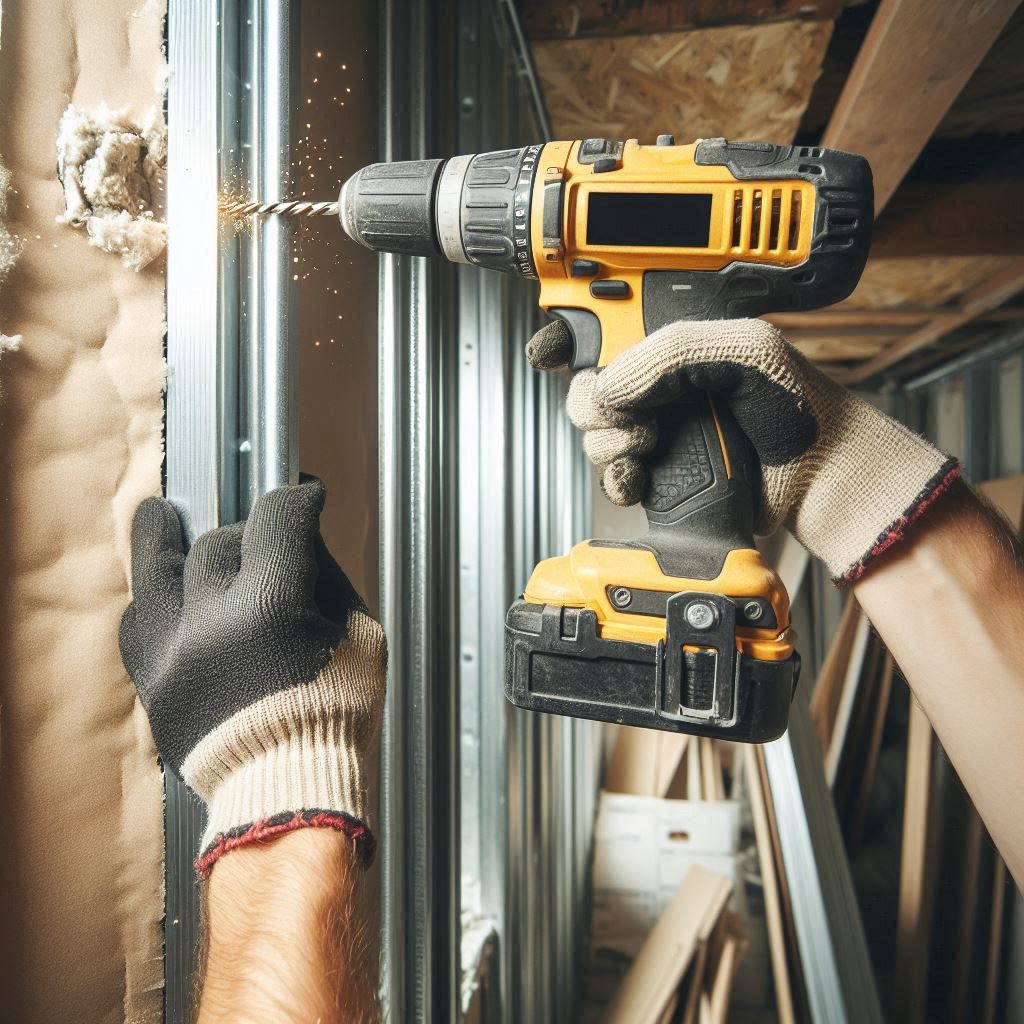
Credit: condomounts.com
Choosing The Right Drill Bit
Drilling through metal with a cordless drill needs the right drill bit. The bit must be strong and sharp. It helps make clean holes without breaking or overheating. Picking the correct bit saves time and effort. It also protects your drill and metal surface. Understanding the types of bits and their qualities is important for good results.
Best Bits For Drilling Metal
Titanium-coated bits work well for most metals. They stay sharp longer and reduce friction. Cobalt bits are tougher and good for hard metals like stainless steel. High-speed steel (HSS) bits are a popular choice for light metal work. Brad point bits are not suitable for metal. Use bits designed for metal to avoid damage and get smooth holes.
Materials And Coatings For Durability
Coatings on drill bits extend their life and improve cutting. Titanium nitride coating reduces heat and wear. Cobalt bits contain alloy metal for extra hardness. Black oxide coating helps resist rust and increases durability. Choose bits with proper coatings for heavy use. This keeps your drill bit sharper and safer over time.
Power And Battery Considerations
Power and battery are key factors for a cordless drill to cut through metal. The drill needs enough strength and long battery life. These determine how well it works and how long it lasts during use. Understanding battery capacity and voltage helps to pick the right drill. These features affect drilling speed and power.
Battery Capacity And Voltage
Battery capacity is measured in amp-hours (Ah). Higher capacity means longer use before recharging. Voltage shows the power level of the battery. A higher voltage battery gives more drilling power. For metal drilling, choose a drill with at least 18 volts. This ensures better force to cut through hard surfaces. A battery with 2.0 Ah or more lasts longer during tough jobs.
Impact On Drilling Performance
Higher voltage and capacity improve drilling speed and efficiency. The drill spins faster and keeps steady power on metal. Low battery power can slow drilling or stop it. Consistent power helps to make clean holes without overheating. A strong battery reduces the risk of the drill stalling. This keeps your work smooth and less frustrating.

Credit: www.reddit.com
Techniques For Drilling Metal
Drilling metal with a cordless drill requires specific techniques to get the best results. The right approach can prevent damage to the drill bit and the metal. It also helps in making clean, precise holes without much effort. Understanding how to control speed and pressure, and using lubricants, makes a big difference in the drilling process.
Speed And Pressure Control
Keep the drill speed low when starting the hole. High speed creates heat and can dull the drill bit quickly. Apply steady, moderate pressure. Too much force can break the bit. Too little pressure slows the work and wears the bit out. Let the drill do the work, not your strength. Slow and steady wins here.
Using Lubricants To Reduce Heat
Heat damages drill bits and metal. Use lubricants like oil or cutting fluid to cool the drill bit. This reduces friction and extends the bit’s life. Apply lubricant frequently during drilling. It also helps the drill bit move smoothly through the metal. Keep the area wet with lubricant for best results.
Safety Tips When Drilling Metal
Drilling metal with a cordless drill requires care and attention to safety. Metal can cause sparks and sharp shards that might hurt you. Following safety tips helps avoid injuries and keeps your work smooth. Always prepare and stay alert during the drilling process.
Protective Gear Essentials
Wear safety glasses to protect your eyes from flying metal bits. Gloves help keep your hands safe from sharp edges. Use ear protection to reduce noise damage. A dust mask stops you from breathing metal dust. Dress in long sleeves and pants for full skin protection.
Handling Sparks And Metal Shards
Sparks can cause burns or start fires. Keep flammable materials far from your work area. Work in a well-ventilated space to clear away metal dust. Use a clamp to hold metal steady and avoid slips. Always clean up metal shards after drilling to prevent cuts.

Credit: www.youtube.com
Common Challenges And Solutions
Drilling through metal with a cordless drill can be tough. Many face problems that slow down work or damage tools. Knowing common challenges helps avoid mistakes. Simple solutions improve drilling and protect your drill and bits.
Focus on two main issues: bit slippage and overheating. Both can stop progress and waste time. Fixing these problems keeps your work smooth and safe.
Avoiding Bit Slippage
Bit slippage happens when the drill bit slips on metal. It can cause scratches or damage the metal surface. To stop this, use a sharp bit made for metal. Start drilling slowly to make a small guide hole. Hold the drill steady and apply firm, even pressure. Using a drill with a clutch helps control torque and reduces slippage.
Dealing With Overheating
Drilling metal creates heat fast. Too much heat can damage the drill bit and metal. Cool the bit by drilling slowly and taking breaks. Use cutting oil or lubricant to reduce friction and heat. Check the drill bit often. Replace it if it becomes dull or worn out. Proper cooling keeps the drill working well and lasts longer.
Maintenance For Cordless Drills
Maintaining your cordless drill is key for long-lasting use and top performance. Regular care helps the drill work well on tough materials like metal. Proper maintenance prevents damage and keeps the tool safe to use.
Cleaning And Storage Tips
After each use, wipe the drill with a dry cloth. Remove dust and debris from vents and moving parts. Avoid using water or harsh cleaners that can damage the drill. Store the drill in a cool, dry place. Keep it away from direct sunlight and moisture. Use the original case if available to protect it from drops and scratches.
Extending Battery Life
Charge the battery fully before the first use. Avoid letting the battery drain completely. Store batteries in a cool, dry place. Remove the battery from the drill if not used for a long time. Use the charger designed for your drill’s battery type. Avoid overcharging by unplugging the charger once the battery is full.
Frequently Asked Questions
Can A Cordless Drill Easily Drill Through Metal?
Yes, a cordless drill can drill through metal if equipped with the right drill bit. Use high-speed steel (HSS) or cobalt bits for best results. Ensure the drill has sufficient power and use slow speeds to avoid overheating the bit or damaging the metal.
What Drill Bit Is Best For Drilling Metal?
High-speed steel (HSS) and cobalt drill bits are ideal for metal. These bits are durable and maintain sharpness when cutting through tough metals. Titanium-coated bits also work well for light to medium metal drilling tasks. Always match the bit to the metal type for optimal performance.
How To Prevent Overheating When Drilling Metal?
To prevent overheating, use slow drill speeds and apply steady pressure. Lubricate the drill bit with cutting oil or water to reduce friction. Take breaks to let the bit cool down. Overheating can dull the bit and damage the metal surface.
Can Cordless Drills Handle Thick Metal Sheets?
Cordless drills can handle thin to medium-thickness metal sheets. For thick metal, a drill with higher voltage and torque is necessary. Using the right drill bit and maintaining low speed improves efficiency. For very thick metal, consider specialized tools like magnetic drills.
Conclusion
A cordless drill can cut through metal with the right drill bit. Choose a high-speed steel or cobalt bit for best results. Use low speed and steady pressure to avoid damage. Make sure the drill is fully charged before starting.
Safety gear, like goggles and gloves, is important. With care and proper tools, drilling metal is easy and safe. Keep your drill clean and store it well after use. This simple guide helps you handle metal projects confidently.
