


Have you ever wondered if your cordless drill can handle brad point bits? If you’re planning a woodworking project, choosing the right bit is key to getting clean, precise holes.
But before you grab those bits, it’s important to know if your cordless drill is up for the task. Keep reading, because understanding this simple fact can save you time, frustration, and help you achieve professional results with your tools.
Let’s dive into what you need to know to make your drilling experience smooth and effective.
Brad Point Bits Basics
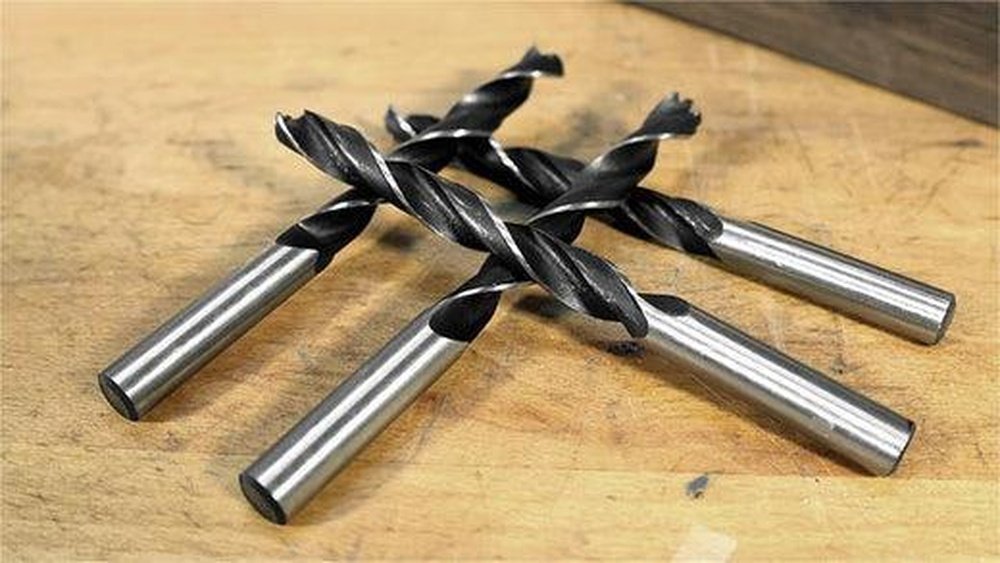
Brad point bits are special drill bits used for woodworking. They create clean, precise holes with little tear-out. These bits are popular for making furniture and other wood projects.
Understanding the basics of brad point bits helps you choose the right bit for your cordless drill. Knowing their design, purpose, materials, and sizes improves your work quality.
Design And Purpose
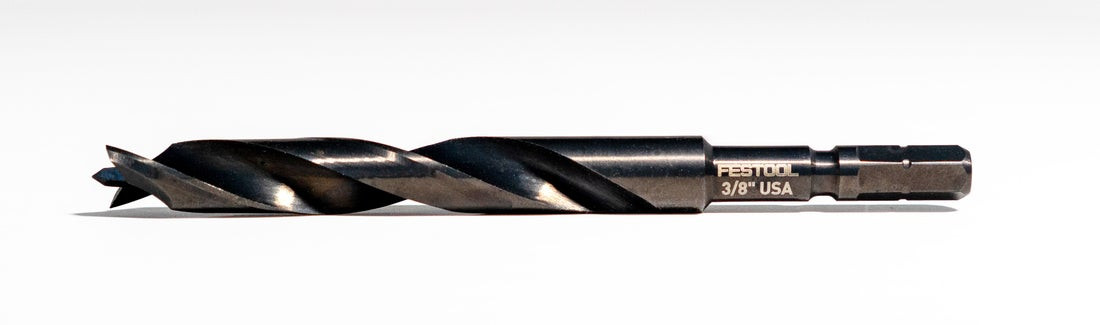
Brad point bits have a sharp point at the tip. This point keeps the bit steady during drilling. It stops the bit from wandering on the wood surface.
The edges of the bit cut the wood cleanly. They create smooth holes with straight sides. These bits work best on wood and soft materials.
Materials And Sizes
Most brad point bits are made of high-speed steel. This material is strong and lasts long. Some bits have a coating to reduce wear and tear.
Brad point bits come in many sizes. Small bits make tiny holes for dowels or screws. Larger bits create holes for bigger fasteners or plugs.
Credit: www.ustoolandfastener.com
Cordless Drill Compatibility
Cordless drills are popular for their ease and mobility. Brad point bits are special drill bits made for wood. These bits have a sharp tip to start holes cleanly. Many wonder if cordless drills can run these bits well.
Compatibility depends on the drill’s chuck type, size, power, and torque. Knowing these details helps choose the right drill and bit pairing. This ensures smooth work and better results with brad point bits.
Chuck Types And Sizes
The chuck holds the drill bit in place. Most cordless drills have a keyless chuck. This type makes changing bits fast and easy. Brad point bits usually have a 1/4 inch or 3/8 inch shank.
Ensure the drill’s chuck can grip the bit’s shank tightly. A loose chuck can cause wobble and damage the wood. Check your drill’s chuck size before buying brad point bits.
Power And Torque Considerations
Power and torque affect how well a drill runs brad point bits. Wood drilling needs steady torque to avoid bit slipping. Cordless drills with 12 volts or more usually work fine.
Higher torque helps drill through hard wood easily. Low power drills may struggle or overheat. Choose a drill with enough power for your wood type and project size.
Performance Factors
Performance matters most when using a cordless drill with brad point bits. Several factors affect how well the drill works with these bits. Understanding these helps you get clean, precise holes every time.
Drilling Speed
Drilling speed influences how fast the bit cuts through wood. Too high speed can cause burning or bit damage. Too low speed slows the work and may lead to rough holes. Cordless drills often have adjustable speeds. Choose a moderate speed for smooth drilling with brad point bits. This keeps the bit sharp and the wood clean.
Bit Stability And Accuracy
Brad point bits need steady pressure and control. Cordless drills with good grip and balanced weight improve stability. A stable drill helps the brad point stay centered. This prevents the bit from wandering on the wood surface. Accurate drilling means cleaner holes and less damage. Using the right drill settings and steady hands ensures precise results every time.

Credit: www.ustoolandfastener.com
Advantages Of Using Brad Point Bits
Brad point bits offer several benefits for drilling wood. They help create clean, accurate holes with less effort. These bits are designed for woodworking tasks and work well with cordless drills. Using them improves your work quality and saves time.
Clean And Precise Holes
Brad point bits have sharp tips that guide the drill exactly where needed. This design stops the bit from wandering on the wood surface. It makes holes that are neat and in the right spot. Precise holes are important for fitting screws or dowels properly.
Reduced Tear-out
The sharp edges of brad point bits cut the wood fibers cleanly. This action reduces splintering around the hole’s edge. Less tear-out means a smoother finish and less sanding afterward. Your projects look better and need less fixing.
Common Challenges
Using a cordless drill with brad point bits can bring some challenges. These issues affect drilling accuracy and tool performance. Understanding common problems helps users avoid frustration and get better results.
Bit Slippage
Brad point bits need a firm grip in the drill chuck. Slippage happens when the bit spins inside the chuck. This causes uneven holes and can damage wood surfaces. Proper tightening of the chuck reduces bit slippage. Using a drill with higher torque also helps keep the bit steady.
Battery Life Impact
Brad point bits often require more power to cut cleanly. This extra power drains the cordless drill’s battery faster. Short battery life interrupts work and lowers efficiency. Carrying spare batteries or using a drill with long battery life is useful. Charging batteries fully before starting a project also improves performance.
Expert Tips For Best Results
Using brad point bits with a cordless drill can give you clean and precise holes. To get the best results, follow some expert tips. Proper handling and settings make the job easier and improve the quality of your work.
Proper Bit Installation
Start by checking the drill chuck size. Make sure it fits the brad point bit securely. Insert the bit straight into the chuck. Tighten the chuck firmly to avoid wobbling. A loose bit can cause uneven holes or damage the wood. Always inspect the bit before use. Sharp points work better and reduce splintering.
Optimal Drill Settings
Set the drill to a low or medium speed. High speed may burn the wood or dull the bit. Use steady pressure, not force, while drilling. Let the bit do the cutting. If the drill has a clutch, set it to prevent overdriving. Stop and clear wood chips often to keep the hole clean. This avoids bit overheating and improves drilling accuracy.
Alternatives To Brad Point Bits
Brad point bits are popular for clean, precise holes in wood. Sometimes, you may want other options. Different bits can work well with a cordless drill and offer unique benefits. Here are two common alternatives that also create good holes in wood.
Spade Bits
Spade bits have a flat, paddle-shaped tip. They cut quickly and make large holes. These bits work great for rough drilling and fast wood removal. Spade bits are easy to use with cordless drills. They do not make as clean holes as brad point bits. Still, they are useful for many woodworking tasks.
Forstner Bits
Forstner bits create smooth, flat-bottom holes. They drill precise and neat holes in wood. These bits are ideal for making holes for dowels or hinges. Forstner bits work well with cordless drills but need steady pressure. They cut slower but give a clean finish. Perfect for detailed and fine woodworking projects.

Credit: www.findbuytool.com
Frequently Asked Questions
Can A Cordless Drill Effectively Run Brad Point Bits?
Yes, a cordless drill can run brad point bits effectively. Ensure the drill has sufficient power and a compatible chuck size. Brad point bits work well for precise wood drilling, and cordless drills offer portability and convenience for such tasks.
Are Brad Point Bits Suitable For Cordless Drills?
Brad point bits are suitable for cordless drills, especially for woodworking. Their sharp points provide clean, accurate holes. Just confirm the drill’s torque matches the bit size for optimal performance and to avoid bit damage.
What Drill Settings Work Best With Brad Point Bits?
Use a low to medium speed setting on your cordless drill with brad point bits. This prevents wood burning and ensures clean, precise holes. Avoid high speeds that can dull the bit and reduce drilling accuracy.
Can Cordless Drills Handle Large Brad Point Bits?
Cordless drills can handle large brad point bits if they have enough torque. Higher voltage drills (18V or more) perform better with bigger bits. Always check drill specifications and use steady pressure to avoid bit slippage.
Conclusion
Cordless drills can run brad point bits well for many projects. These bits fit standard drill chucks easily. They make clean, precise holes in wood and soft materials. Choose the right drill speed to avoid bit damage. Using the correct bit and drill helps finish jobs faster.
Always check your drill’s power for best results. Simple tools can deliver good work with proper use. Try brad point bits in your cordless drill next time. You will see neat holes and smooth work every time.
