


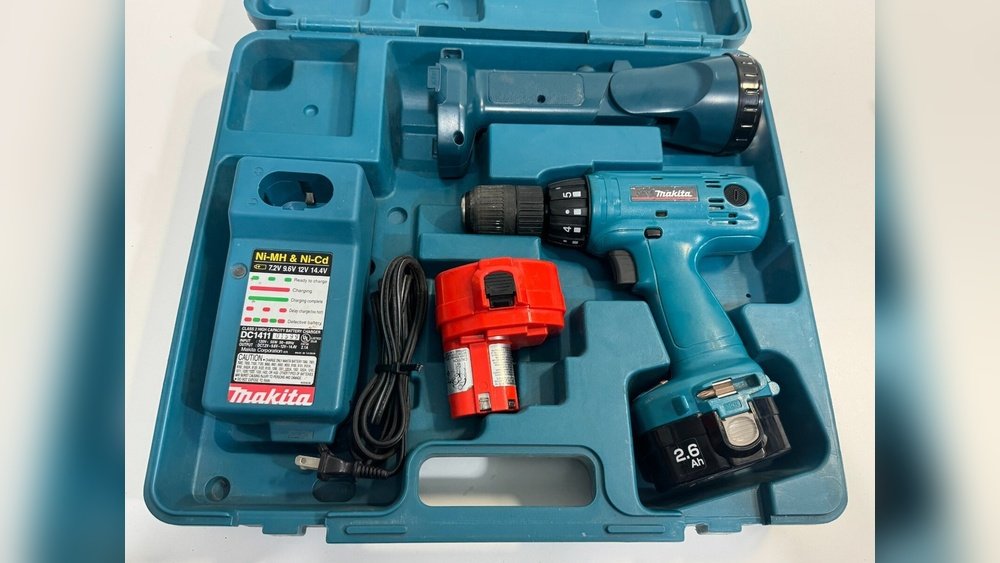
Have you ever wondered if you can upgrade your cordless drill that originally used NiCd batteries? Maybe your drill’s power isn’t what it used to be, or the battery life drains too quickly.
You’re not alone. Many people ask if it’s possible to switch to newer batteries to boost performance and save money. You’ll discover practical answers and smart tips to help you get the most out of your cordless drill. Keep reading to learn how you can make your tool work better and longer without buying a brand-new one.
Cordless Drill Battery Basics
Cordless drills need batteries to work without a power cord. These batteries store energy and power the drill’s motor. Different battery types affect how long the drill runs and how strong it is. Older cordless drills often used nickel-cadmium (NiCd) batteries. Understanding these batteries helps you know what to expect from your drill.
Battery life, charging speed, and weight depend on the battery type. NiCd batteries were popular for many years. They have some good features but also some problems. Knowing these traits helps you decide if you want to keep using NiCd batteries or switch to a new type.
Nickel-cadmium Battery Traits
NiCd batteries store energy using nickel and cadmium metals. They are tough and handle many charge cycles. These batteries work well in cold weather. They can deliver high power for short bursts, perfect for drills.
NiCd batteries are heavier than newer types. They also lose charge faster when not in use. These batteries need full charging and discharging to last longer. They do not hold as much energy as lithium-ion batteries.
Common Issues With Nicd Batteries
NiCd batteries suffer from memory effect. This means they “remember” a lower capacity if not fully charged and discharged. It reduces the battery’s runtime over time. Charging them incorrectly speeds up this problem.
Cadmium is toxic and harmful to the environment. Proper disposal is important to avoid pollution. NiCd batteries also can leak or swell if overcharged. This can damage the drill or cause safety issues.

Credit: www.amazon.com
Benefits Of Battery Upgrades
Upgrading the batteries of a cordless drill that originally used NiCd batteries offers many benefits. These upgrades improve how the drill works and how long it runs. They also help the environment by reducing waste and pollution.
Improved Performance
Newer batteries provide more power to the drill. This means the drill works faster and drills through tough materials easily. The drill also runs smoother with less chance of slowing down during use.
Longer Battery Life
Modern batteries last longer on a single charge. This lets you work for more time without stopping. They also hold their charge better when not in use, so the drill is ready anytime.
Environmental Impact
Upgraded batteries are often made with safer materials. They reduce harmful chemicals released into the environment. Using rechargeable batteries means fewer batteries end up in landfills. This helps protect the planet for the future.
Compatible Battery Types
Choosing the right battery type for a cordless drill is important. Older drills used Nickel-Cadmium (NiCd) batteries. These batteries are heavy and have memory issues. Newer battery types offer better performance and longer life. Some cordless drills that used NiCd can work with other battery types. Let’s explore the most compatible options.
Nickel-metal Hydride (nimh)
NiMH batteries are a good upgrade from NiCd. They hold more charge and last longer. NiMH batteries are lighter and less toxic. They do not suffer from memory effect as much as NiCd. Some drills that use NiCd can fit NiMH batteries. Check the voltage and size before swapping. NiMH batteries offer better runtime and more power.
Lithium-ion (li-ion)
Li-ion batteries are the most popular choice today. They are much lighter and more efficient than NiCd or NiMH. Li-ion batteries deliver consistent power without memory problems. Many cordless drills can be adapted to use Li-ion packs. These batteries charge faster and last longer per charge. Make sure the drill’s charger supports Li-ion before switching. Li-ion batteries improve drill performance and user convenience.

Credit: www.ebay.com
Battery Replacement Considerations
Replacing batteries in a cordless drill that used NiCd cells requires careful thought. Not all batteries fit or work the same. Choosing the right replacement keeps your drill safe and effective. Consider voltage, size, and charger type before buying new batteries.
Voltage And Capacity Matching
Always match the voltage of the new battery to the old one. Different voltages can damage the drill or reduce performance. Capacity, shown in mAh, affects how long the drill runs. A higher capacity means longer use but may be bigger or heavier.
Physical Size And Fit
New batteries must fit inside the drill’s battery compartment. Different battery types have different shapes and sizes. Check the physical dimensions before purchase. A tight fit prevents damage and ensures good contact with terminals.
Charger Compatibility
Battery types need matching chargers for safe charging. NiCd chargers may not work with newer batteries like Li-ion. Using the wrong charger risks battery damage or fire. Confirm your charger matches the replacement battery type exactly.
Step-by-step Upgrade Process
Upgrading a cordless drill that used NiCd batteries is simple. This process lets you improve battery life and performance. Follow these clear steps to ensure success.
Removing Old Batteries
Turn off the drill and unplug any charger. Find the battery pack release button or latch. Press or slide it to remove the battery pack. Handle the old batteries carefully. Dispose of them at a battery recycling center.
Selecting A New Battery Pack
Check your drill model for compatible battery types. Most modern drills use lithium-ion batteries. These last longer and weigh less. Choose a battery with the right voltage and size. Match the connector type to avoid issues.
Installing And Testing
Insert the new battery pack into the drill slot. Push it until it clicks in place. Turn on the drill to test the new battery. Check for proper power and smooth operation. Charge the battery fully before first use.

Credit: www.amazon.com
Potential Challenges And Solutions
Switching a cordless drill from NiCd batteries to other battery types can cause some problems. These issues affect the drill’s performance and safety. Understanding these challenges helps users handle them better. Solutions exist for most problems, making the transition smoother.
Battery Management System Issues
NiCd batteries have specific charging and discharging needs. The original battery management system (BMS) may not work well with new batteries. This mismatch can cause wrong charging or inaccurate battery level readings. Updating or replacing the BMS can solve this. Using a BMS designed for the new battery type ensures better performance and longer battery life.
Heat And Safety Concerns
New batteries may generate more heat than NiCd cells during use. Excess heat can damage the drill or cause accidents. Proper cooling and ventilation are essential. Users should monitor the drill during heavy use. Using batteries with built-in protection circuits also adds safety. Avoid using damaged or incompatible batteries to reduce risks.
Warranty And Manufacturer Support
Changing the original battery type may affect the drill’s warranty. Some manufacturers do not cover damages from using non-approved batteries. Users should check warranty terms before switching. Contacting the manufacturer for advice can help avoid problems. Choosing batteries recommended by the manufacturer keeps warranty valid and ensures good support.
Frequently Asked Questions
Can I Replace Nicd Batteries With Li-ion In Cordless Drills?
Yes, you can replace NiCd batteries with Li-ion if the voltage matches. Li-ion batteries offer longer runtime and less weight. Check compatibility with your drill model before swapping to avoid damage.
Will Li-ion Batteries Fit Nicd Cordless Drill Chargers?
No, Li-ion batteries usually require different chargers than NiCd. Using the wrong charger can damage batteries or reduce lifespan. Always use chargers designed for your battery type for safety and efficiency.
Do Cordless Drills Perform Better With Nicd Or Li-ion?
Li-ion batteries generally provide better performance, longer runtime, and less memory effect than NiCd. NiCd batteries are heavier and have shorter life cycles. Li-ion is the preferred choice for modern cordless drills.
Can Nicd Batteries Be Recycled Safely?
Yes, NiCd batteries must be recycled due to toxic cadmium content. Many local recycling centers or hardware stores accept them. Proper recycling prevents environmental harm and allows metal recovery.
Conclusion
Cordless drills that first used NiCd batteries can often work with new battery types. Many users switch to lithium-ion batteries for better performance and longer life. Just check your drill’s manual and battery size before buying new packs. Using the right batteries keeps your drill safe and strong.
This small change can make your tool last much longer. Choose carefully and enjoy your cordless drill’s power again. Simple steps, big difference.
