


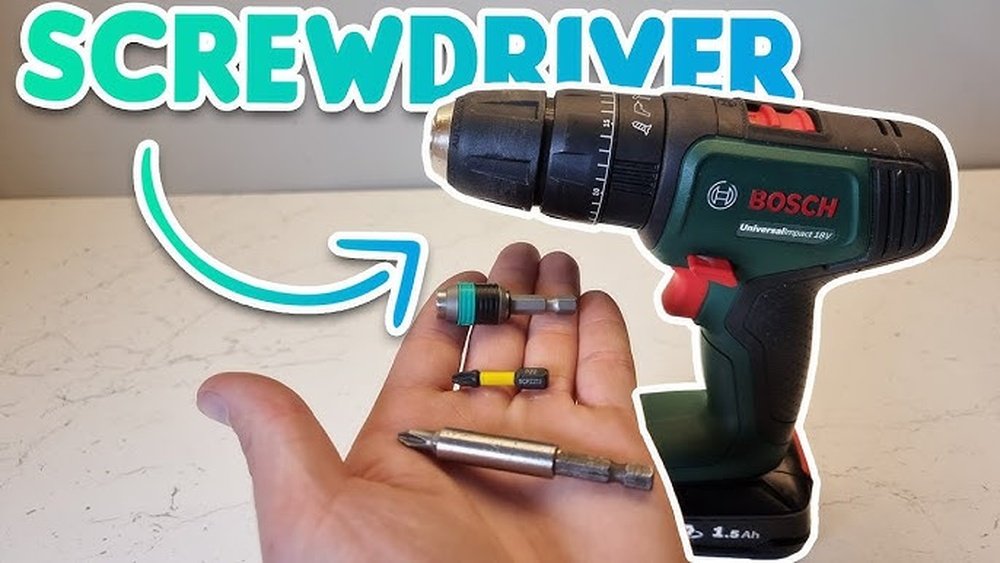
Have you ever stood there holding your cordless screwdriver and wondered if it could handle the job of a drill? You’re not alone.
Many people ask whether a cordless screwdriver can double as a drill when the need arises. Imagine saving space, money, and time by using one tool instead of two. But is it really that simple? Keep reading, because understanding the true capabilities of your cordless screwdriver might change the way you tackle your next project.
You’ll learn what it can do, where it falls short, and how to get the most out of your tool. Don’t miss out on these insights that could make your DIY tasks easier and more efficient.
Credit: www.familyhandyman.com
Cordless Screwdrivers Vs Drills
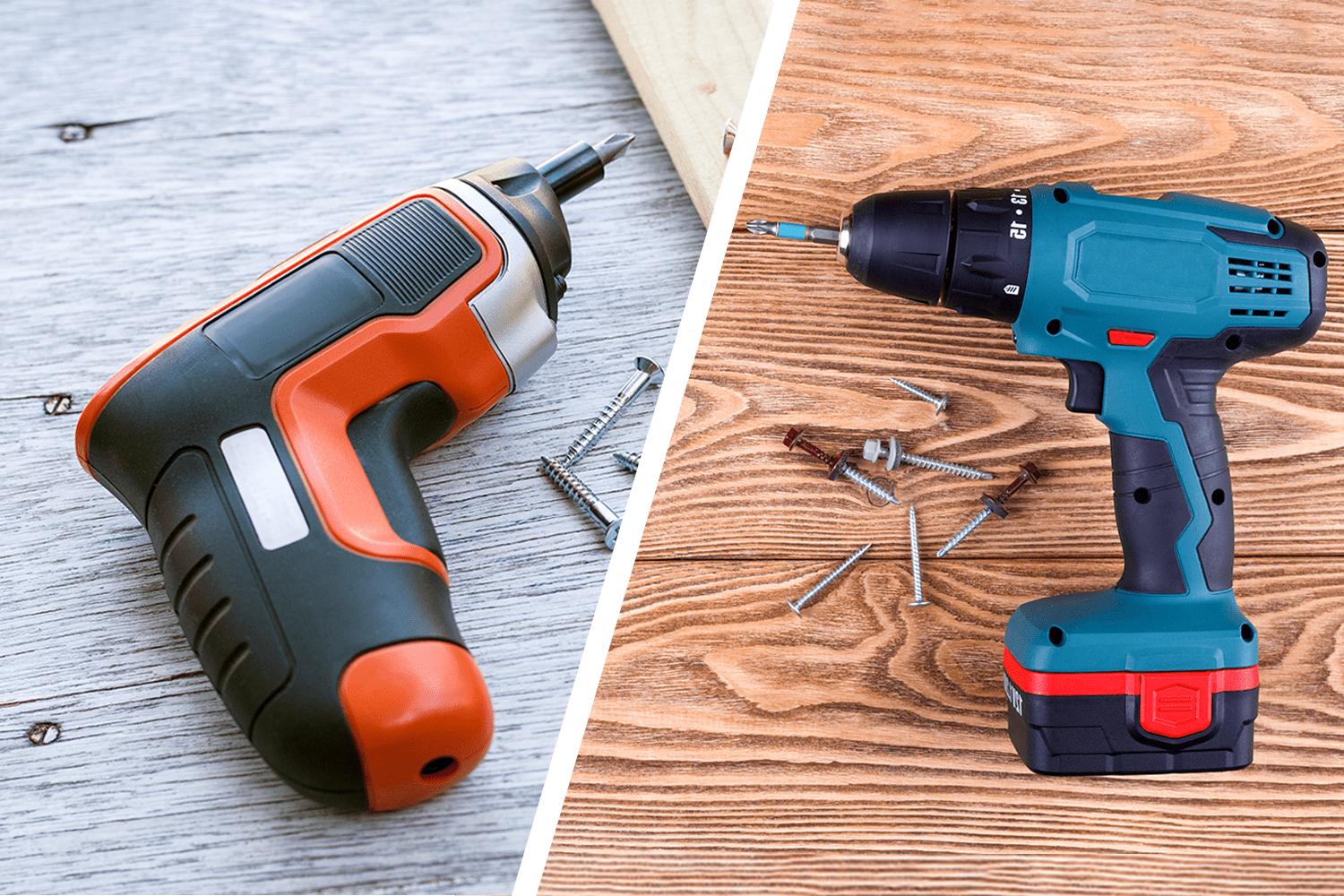
Cordless screwdrivers and drills look similar but serve different purposes. Both tools help with fasteners and holes. Choosing the right tool depends on the task and materials. Understanding their differences helps avoid damage and saves time.
Key Differences
Cordless screwdrivers are lighter and smaller than drills. They work best for driving screws quickly. Drills have more power and speed for heavy jobs. They can bore holes in wood, metal, and plastic. Screwdrivers focus on torque, drills focus on speed and power. Batteries on drills last longer under heavy use. Screwdrivers usually have less torque and slower speed.
Design And Functionality
Screwdrivers have a narrow shape for easy grip and control. They often use a single speed setting. Drills have a larger body with adjustable speed control. They include a chuck to hold different drill bits. Screwdrivers use bits designed for screws only. Drills can use many bit types for drilling and driving. The motor in drills is stronger for tougher materials. Screwdrivers are better for light assembly and quick fixes.
Credit: sawsonskates.com
Capabilities Of Cordless Screwdrivers
Cordless screwdrivers are popular tools for many home and DIY tasks. They offer ease of use without the hassle of cords. Understanding their capabilities helps decide if they can serve as drills.
These tools are designed mainly for driving screws but have features that overlap with drills. Knowing their torque, speed, and material suitability is key.
Torque And Speed
Cordless screwdrivers provide moderate torque compared to drills. Torque is the force that turns the screw or drill bit. Screwdrivers usually have lower torque to avoid damaging screws or materials.
The speed of cordless screwdrivers is also lower than many drills. They operate at a slower rotation per minute (RPM) rate. This speed suits screwing tasks but limits drilling through tough materials.
Suitable Materials
Cordless screwdrivers work well on soft materials like wood and plastic. They can handle light drilling in these materials with proper bits. Hard materials like metal or concrete are not ideal for these tools.
Using a cordless screwdriver on hard materials may wear out the tool quickly. For heavy drilling, a proper drill is better. Cordless screwdrivers shine in light to medium tasks around the home.
Using A Cordless Screwdriver As A Drill
A cordless screwdriver is a handy tool for many tasks. People often wonder if it can also work as a drill. Using it as a drill can save space and money. Yet, there are clear limits to what it can do. Understanding these helps you use the tool safely and effectively.
When It Works
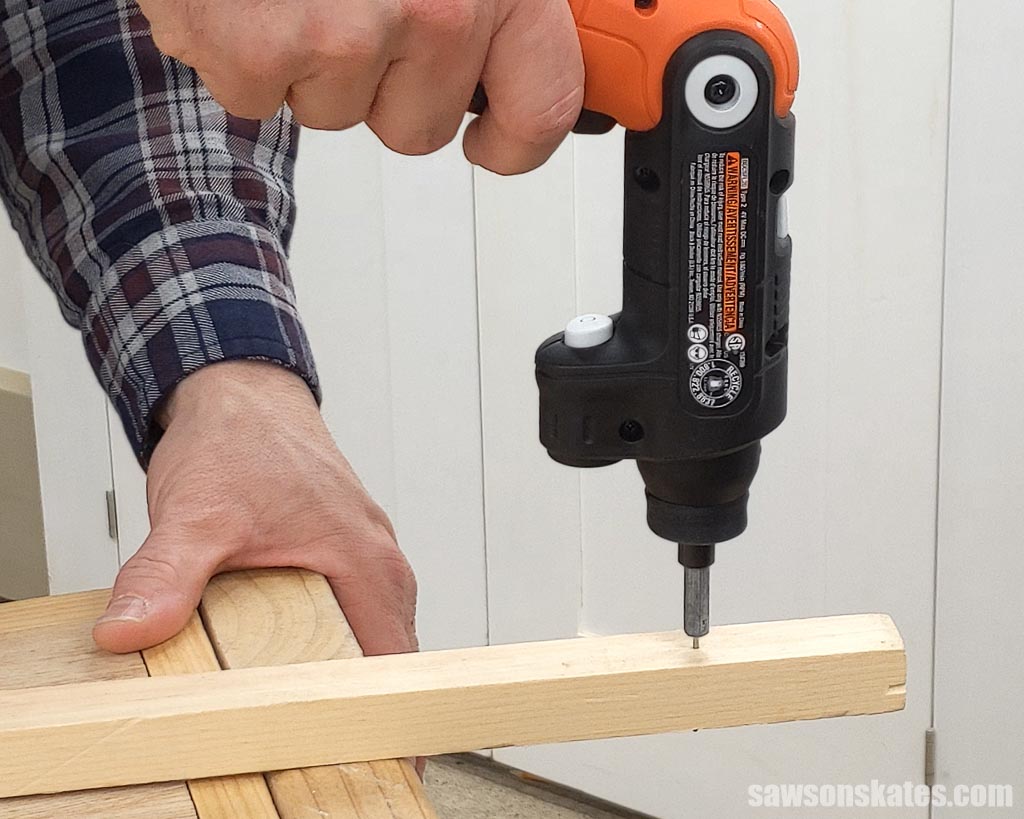
A cordless screwdriver can drill small holes in soft materials. Wood, plastic, and thin drywall are good examples. It works best when holes are shallow and not too wide. Light drilling jobs, like hanging pictures, suit this tool well. It offers control and ease for simple tasks. The screwdriver’s compact size helps in tight spaces. Low power means it won’t damage delicate materials easily. It can handle light screws and small drill bits.
Limitations To Consider
A cordless screwdriver lacks the power of a real drill. It struggles with hard materials like metal or thick wood. Large holes or deep drilling are tough for this tool. The speed and torque are lower compared to drills. Long drilling sessions can drain the battery quickly. It may overheat if used too much. The screwdriver bit holder might not fit larger drill bits. Precision and control drop when drilling harder surfaces. This tool is not ideal for heavy construction work.

Credit: www.reddit.com
Types Of Drill Bits Compatible
Choosing the right drill bits is key for using a cordless screwdriver as a drill. Different bits fit different tasks and materials. Knowing which bits work can help you get the best results.
Bit Size And Fit
Check the chuck size of your cordless screwdriver first. Most models accept bits up to 10mm or 3/8 inch. Bits must fit snugly to avoid slipping during use. Small bits for light jobs, larger bits for heavy tasks. Using the right size bit keeps your tool safe and effective.
Material And Purpose
Drill bits come in various materials like steel, titanium, and carbide. Steel bits suit wood and soft plastics. Titanium bits last longer and handle metal better. Carbide bits are for tough surfaces like concrete or stone. Use the bit that matches your material for clean, easy drilling.
Safety Tips For Dual Use
Using a cordless screwdriver as a drill can be handy. It saves space and cuts down on tools needed. Safety must be your top concern. This section shares tips to keep you safe and protect your tool during dual use.
Proper Handling
Hold the tool firmly. Keep your fingers away from the rotating bit. Use both hands if needed. Start at a slow speed. Increase speed only after the bit is properly set. Always wear safety glasses. Protect your eyes from flying debris. Work in a well-lit area. Keep the work surface stable and clean.
Avoiding Damage
Do not force the tool. Let it do the work at its own pace. Choose the right bit for drilling tasks. Avoid bits that are too big or small. Check the bit is tight before use. Stop immediately if you hear strange noises. Overheating can damage the motor. Give the tool time to cool down after long use. Store the screwdriver in a dry place. Keep it away from dust and moisture.
Alternatives For Drilling Tasks
Drilling requires power and precision. Not every tool fits every job. Cordless screwdrivers are handy but limited for drilling. Exploring other tools can help you find the right fit. Alternatives offer different features and prices for drilling tasks.
Affordable Drill Options
Budget-friendly drills offer good power for everyday tasks. Basic cordless drills work well on wood and plastic. They usually come with adjustable speed and torque settings. These drills are light and easy to handle. Many models include a rechargeable battery. This makes them portable and convenient to use anywhere. Affordable drills can meet most home project needs.
Multi-function Tools
Multi-function tools combine several tasks in one device. Some models include drilling, screwing, and sanding features. These tools save space and reduce costs. They often have interchangeable heads for different jobs. Multi-function tools suit small to medium drilling tasks. They are ideal for users who want versatility. These tools provide good value and convenience.
Frequently Asked Questions
Can A Cordless Screwdriver Replace A Drill?
A cordless screwdriver can handle light drilling tasks. However, it lacks the power and speed of a dedicated drill. For heavy-duty or frequent drilling, a drill is more efficient and reliable than a cordless screwdriver.
What Limitations Does A Cordless Screwdriver Have As A Drill?
Cordless screwdrivers have lower torque and slower speeds than drills. They struggle with hard materials and large holes. Their compact size limits bit compatibility, making them unsuitable for heavy drilling jobs.
Are Cordless Screwdrivers Suitable For Diy Drilling Projects?
Yes, cordless screwdrivers work well for small, simple DIY projects. They handle soft materials like wood or plastic. For complex or tough drilling tasks, a proper drill is recommended.
How To Choose Between A Cordless Screwdriver And Drill?
Choose a cordless screwdriver for light, occasional screwing and drilling. Opt for a drill when you need higher power, speed, and versatility for various materials and tasks.
Conclusion
A cordless screwdriver can work as a drill for light tasks. It fits small screws and soft materials well. But it may struggle with hard surfaces or large holes. A real drill offers more power and options. Choose the right tool based on your project needs.
This helps avoid damage and saves time. Keep your work simple and safe. Cordless screwdrivers are handy but not a full drill replacement. Use them wisely for best results.
