


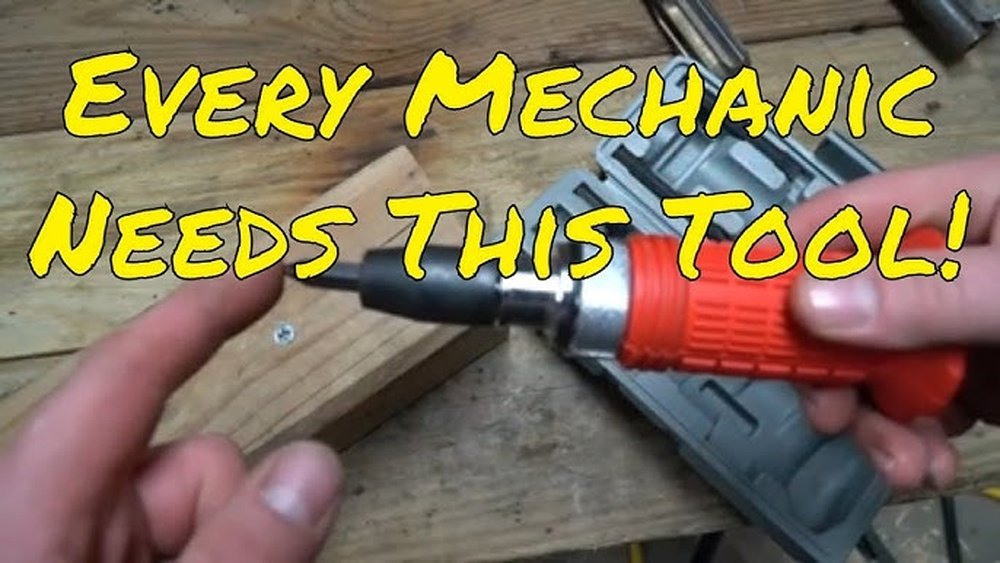
Have you ever faced the frustration of a stuck screw that just won’t budge? It can slow down your project and test your patience.
But what if your impact driver could be the simple solution to this common problem? You’ll discover how an impact driver can help you get out stuck screws quickly and with less effort. Keep reading, and you’ll learn the tips and tricks to make your tools work smarter, not harder.
Credit: www.reddit.com
Why Screws Get Stuck
Screws often get stuck during projects. Understanding why helps fix the problem fast. Several factors cause screws to jam or resist turning. These issues affect many DIY and professional tasks.
Common Causes
Screws get stuck due to dirt, debris, or worn threads. Wood can swell around screws, trapping them tight. Using the wrong screw size or type also causes problems. These common issues make screws hard to remove or tighten.
Effects Of Rust And Corrosion
Rust weakens metal screws and makes them stick in place. Moisture and air cause rust over time. Corroded screws lose their grip and become brittle. Removing rusty screws requires extra force or special tools.
Impact Of Over-tightening
Over-tightening screws damages threads and material around them. This creates extra friction that stops screws from moving. Too much force can strip the screw head or break the screw. Over-tightened screws often need impact drivers or other tools to remove.
How Impact Drivers Work
Impact drivers have a unique way of working that makes them very useful for tough jobs. They combine rotation with strong bursts of force. This helps loosen screws that are stuck or hard to turn. Understanding how they work can help you use them better and get the best results.
Mechanism Of Impact Action
Impact drivers use a special mechanism to deliver force. Inside, a hammer and anvil system create quick, powerful impacts. The hammer spins and hits the anvil repeatedly. This action adds extra force to the turning motion.
Each impact pushes the screw with a sharp burst. This makes screws move even if they are stuck tight. The repeated strikes reduce the chance of stripping the screw head. This feature makes impact drivers great for removing stuck screws.
Difference From Regular Drills
Regular drills spin smoothly and apply steady torque. They work well for drilling holes and driving screws. But they can struggle with screws that are stuck or very tight.
Impact drivers add strong bursts of force while spinning. This impact action helps break loose stuck screws. They also create less strain on your wrist. Regular drills can slip and damage screw heads more easily.
Because of this, impact drivers are better for tough jobs. They save time and effort when screws won’t budge. Understanding these differences helps you choose the right tool for each task.
Using Impact Drivers On Stuck Screws
Using impact drivers on stuck screws can save time and effort. These tools deliver strong, quick bursts of torque that help break loose tight or rusted screws. Understanding how to use your impact driver correctly improves your chances of removing stuck screws without damage.
Proper Bit Selection
Choosing the right bit is crucial. Use a bit that fits the screw head exactly. A loose bit can strip the screw and make removal harder. For stuck screws, heavy-duty bits with strong tips work best. Avoid worn or damaged bits.
Adjusting Torque Settings
Adjust the torque to match the screw size and condition. Start with a low setting to avoid damaging the screw head. Increase torque gradually if the screw does not move. Too much torque at once can break the screw or bit.
Techniques For Maximum Grip
Hold the impact driver firmly and align it straight with the screw. Keep steady pressure as you activate the tool. Use short bursts rather than continuous force. Let the impact driver do the work. This method helps the bit grip better and reduces slipping.
Additional Tips To Free Stuck Screws
Stuck screws can be frustrating and slow down any project. Besides using an impact driver, some extra steps help loosen tight screws. These tips often save time and prevent damage to the material or screw head.
Applying Lubricants
Lubricants reduce friction between the screw and material. Apply a small amount of oil or WD-40 on the screw. Let it sit for a few minutes. The lubricant seeps into the threads, making the screw easier to turn. Wipe off any excess to avoid slipping.
Using Heat Or Cold
Heat expands metal, helping to break the bond of stuck screws. Use a heat gun or a soldering iron near the screw for a short time. Be careful not to damage the surrounding material.
Cold causes metal to contract. Apply ice or a cold pack to the screw. This can shrink the metal slightly and loosen the screw.
Tapping And Vibrating Methods
Light tapping creates vibrations that help free stuck screws. Use a hammer and gently tap the handle of the screwdriver or impact driver. The vibrations shake the threads loose.
Another method is to use a vibrating tool near the screw. The steady vibration can break the rust or debris holding the screw tight.
When To Avoid Using An Impact Driver
Impact drivers are strong tools designed to remove stuck screws quickly. Despite their power, there are times to avoid using them. Using an impact driver in the wrong situation can cause damage or make the problem worse. Knowing when not to use one helps protect your materials and tools.
Risks Of Damage
Impact drivers deliver high torque in short bursts. This force can strip screw heads or break screws. Soft materials like plastic or thin metal can crack under impact. Over-tightened screws may snap if hit with too much power. Using an impact driver on delicate parts risks ruining the project.
Alternatives For Delicate Materials
For delicate tasks, use a manual screwdriver or a drill with low torque. These tools offer better control and reduce damage risk. Heat or lubricant can help loosen stuck screws gently. Patience and small adjustments often work better than force. Choose the right tool for the job to keep materials safe.

Credit: www.youtube.com
Maintenance For Impact Drivers
Proper maintenance helps your impact driver work better and last longer. Taking care of the tool prevents issues like stuck screws. Regular upkeep also keeps the driver safe to use. Simple steps can save time and frustration during projects.
Keeping Bits Sharp
Sharp bits grip screws firmly. Dull bits slip and damage screws. Check bits often for wear or damage. Replace bits that look worn out or chipped. Using sharp bits makes removing stuck screws easier. It also protects the screw head from stripping.
Regular Tool Inspection
Inspect your impact driver before each use. Look for loose parts, cracks, or other damage. Check the chuck to ensure it holds bits tightly. Clean dust and debris from vents and moving parts. Tighten any screws or bolts that are loose. Regular checks stop small problems from becoming big ones.

Credit: www.reddit.com
Frequently Asked Questions
Can An Impact Driver Remove Stuck Screws Easily?
Yes, an impact driver applies high torque and concussive force. This helps break loose stuck or rusted screws effectively and quickly.
What Makes Impact Drivers Better For Stuck Screws?
Impact drivers combine rotational force with hammering action. This dual motion prevents stripping and loosens screws that a regular drill can’t.
Are Impact Drivers Safe For Delicate Materials?
Yes, with the right bit and controlled pressure, impact drivers can remove stuck screws safely without damaging delicate surfaces.
Can Impact Drivers Strip Screws While Removing Them?
Impact drivers reduce stripping by delivering sudden rotational bursts. Using the correct bit size also minimizes the risk of screw damage.
Conclusion
An impact driver can often remove stuck screws with ease. Its strong, quick bursts help break free tight fasteners. Using the right bit size matters a lot. Applying steady pressure while driving improves success. Avoid forcing the tool to prevent damage.
Sometimes, a little lubricant can help loosen screws. Remember, safety comes first during any repair. With patience and care, stuck screws become less of a problem. This tool is a handy addition to any toolbox.
