


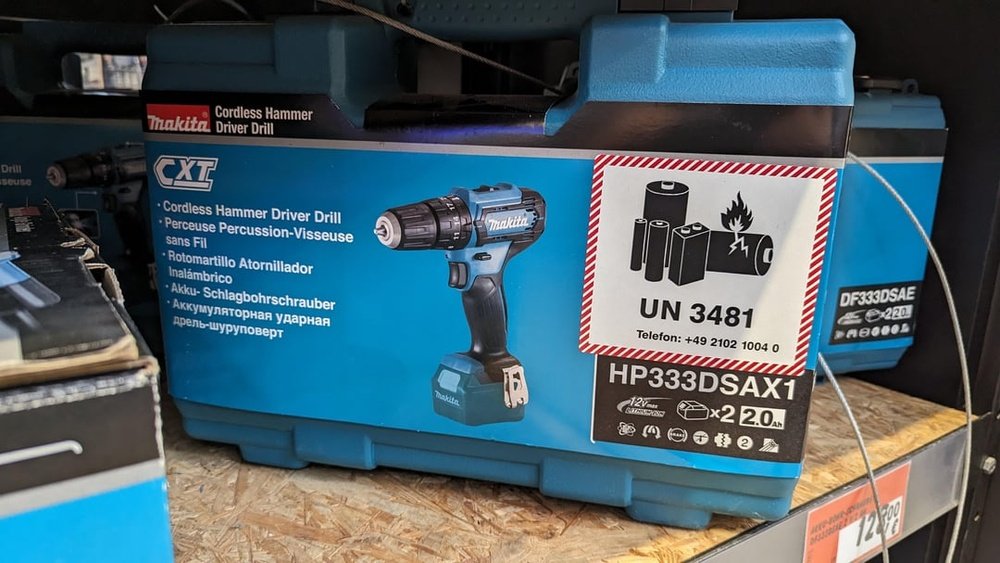
Are you wondering if your cordless drill can handle drilling into concrete? You’re not alone.
Many people ask this because concrete is tough, and not every tool is built for the job. But what if your cordless drill is powerful enough to save you time and effort? You’ll discover the truth about using cordless drills on concrete, learn what to look for, and find out how to get the best results without damaging your tools or your project.
Keep reading—you might be surprised at what your drill can really do.
Cordless Drill Basics
A cordless drill is a handy tool for many jobs around the house. It uses a battery instead of a power cord. This makes it easy to carry and use anywhere. Understanding the basics helps you choose the right drill for your project.
Not all cordless drills are the same. They come with different features and power levels. Knowing these details can help you decide if a cordless drill can drill concrete.
Key Features
Cordless drills have several important features. They include variable speed control, torque settings, and a keyless chuck. Variable speed helps adjust drilling speed based on material. Torque controls the turning force, which is useful for tough materials. The keyless chuck allows fast bit changes without tools.
Types Of Cordless Drills
There are two main types: standard drills and hammer drills. Standard drills are good for wood and light materials. Hammer drills add a pounding action to drill harder surfaces like concrete. For concrete, a hammer drill is usually better than a standard drill.
Battery Power And Life
Battery power is measured in volts, usually from 12V to 20V or more. Higher volts mean more power. Battery life depends on capacity, shown in amp-hours (Ah). Larger Ah means longer use before charging. Lithium-ion batteries are common because they last longer and charge faster.

Credit: www.youtube.com
Concrete Drilling Challenges
Drilling into concrete is not an easy task. Concrete is tough and hard, making drilling a challenge. Many people wonder if a cordless drill can handle concrete. Understanding the challenges helps in choosing the right tools and methods.
Concrete’s strength and structure create problems for drills. Using the wrong drill or bit can cause damage or slow work. Knowing these challenges saves time and effort.
Hardness And Density Of Concrete
Concrete is made of cement, sand, and stones. These materials make it very hard and dense. Hardness means the drill bit must be strong and sharp. Density means the drill faces a lot of resistance. This can wear out the drill bit quickly. It also makes drilling slower and harder.
Different types of concrete have different hardness. Some have more stones or special additives. This changes how hard it is to drill. A cordless drill may struggle with very dense concrete. Using a drill with enough power and the right bit is important.
Common Issues Faced
Drilling concrete can cause bits to overheat and break. The drill may stop or slow down due to resistance. Battery life of cordless drills can drain fast. This happens because drilling concrete needs high power for a long time.
Dust and debris also cause problems. They can block the drill bit and reduce efficiency. Without proper dust control, the drill can jam or wear out faster. The vibration from drilling concrete can make handling the drill difficult. This leads to less control and more fatigue.
Can Cordless Drills Handle Concrete?
Cordless drills are popular for many tasks. Drilling into concrete is tough and needs strong tools. Can cordless drills handle concrete? This depends on several factors. Power, drill type, and limitations all matter.
Power Requirements
Concrete is hard and dense. Drilling requires a strong motor and good battery. Cordless drills with at least 18 volts work better. Higher voltage means more power and longer work time. Low-power drills may stop or slow down. Choose a drill with strong torque for best results.
Drill Compatibility
Not all cordless drills fit concrete drill bits. Use hammer drills or rotary hammer drills. These tools combine rotation with pounding action. This helps break the concrete while drilling. Standard cordless drills may struggle without this feature. Make sure the drill supports SDS or masonry bits.
Limitations To Consider
Cordless drills may overheat with long use on concrete. Battery life can limit drilling time. Large holes or deep drilling might need corded tools. Drilling very hard concrete requires more power than most cordless drills offer. Know your drill’s limits and choose tasks wisely.
:max_bytes(150000):strip_icc()/spr-primary-drills-dburreson-001-02d983fd8e5f42ae8d8b5d799baca68a.jpg)
Credit: vixencomposites.com
Choosing The Right Drill Bits
Choosing the right drill bits is key to drilling concrete with a cordless drill. The bit type affects how well the drill cuts through hard surfaces. Using the wrong bit can cause damage or slow your work. Picking bits made for concrete makes the job easier and faster.
Different bits are designed for different materials. Knowing which bit to use helps you get clean, precise holes. This section explains the main types of bits and their features.
Masonry Bits Vs. Standard Bits
Masonry bits are made for hard materials like concrete and brick. They have a special tip with carbide for strong cutting power. Standard bits are for wood and metal, not suitable for concrete. Using masonry bits prevents quick wear and broken tips. Choose masonry bits to drill concrete efficiently.
Materials And Coatings
Drill bits come in various materials and coatings. Carbide tips are the best for concrete because they stay sharp longer. Some bits have titanium or black oxide coatings to reduce heat and wear. These coatings help bits last longer and perform better on tough surfaces.
Bit Sizes For Concrete
Concrete drilling needs bits of different sizes depending on the hole size. Small bits are good for anchors or screws. Larger bits work for pipes or bolts. Always pick a bit size that matches your project to avoid damage and get clean holes.
Techniques For Drilling Concrete
Drilling into concrete can be tough. Using the right techniques makes the job easier and safer. This section explains simple ways to drill concrete with a cordless drill.
These tips help protect your drill and get clean holes fast. Follow these steps for better results and less wear on your tools.
Proper Speed And Pressure
Start drilling at a slow speed. Too fast can damage the drill bit or cause it to slip.
Apply steady, moderate pressure. Pressing too hard can break the bit or drill motor.
Let the drill do the work. Keep your grip firm but avoid forcing it.
Using Hammer Mode
Many cordless drills have a hammer mode. This helps break concrete while drilling.
Turn on hammer mode for faster, easier drilling in hard surfaces.
Use regular mode only for softer materials or finishing touches.
Cooling And Dust Management
Concrete drilling creates heat. Let the drill rest to cool down and avoid damage.
Clear dust often. Dust can clog the bit and slow drilling.
Use a vacuum or blow air to remove dust from the hole.
Top Cordless Drills For Concrete
Drilling into concrete needs strength and durability. Cordless drills have improved a lot. Now, many models can handle concrete without trouble. Choosing the right drill makes the job easier and faster.
Power, battery life, and user feedback are key factors. These help pick the best drill for concrete work. Below are important points to consider.
High Power Models
High power drills give better performance on concrete. Look for models with brushless motors. These drills offer strong torque and longer life. Some drills reach up to 1,200 inch-pounds of torque. High power means less effort and faster drilling.
Battery Life And Performance
Battery life affects how long you can work. Lithium-ion batteries are common and last longer. Choose drills with 18V or 20V batteries. They provide good power and run time. Fast charging batteries help reduce downtime.
User Reviews And Ratings
User reviews show real experiences. High ratings often mean reliable performance. Look for comments about drilling concrete specifically. Check for notes on battery life and power. Reviews help avoid drills that fail on tough jobs.
Safety Tips For Concrete Drilling
Drilling concrete with a cordless drill needs care and caution. Concrete is tough and can cause accidents if safety rules are ignored. Following safety tips protects you and others nearby. It also helps keep your tools in good shape.
Protective Gear
Always wear safety glasses to protect your eyes from flying debris. Use ear protection to guard against loud noise from drilling. Gloves help protect your hands from rough surfaces and vibration. Wear a dust mask to avoid breathing in harmful dust. Choose sturdy shoes to protect your feet from dropped tools or heavy materials.
Safe Work Practices
Check your drill and battery before starting work. Make sure the drill bit is suitable for concrete. Secure the material or surface firmly to prevent movement. Keep a steady grip on the drill to avoid slips. Avoid forcing the drill; let it work at its own speed. Take breaks to prevent fatigue, which can cause mistakes.
Handling Dust And Debris
Concrete dust can harm your lungs and skin. Use a vacuum or wet method to reduce dust during drilling. Clear debris often to keep your workspace clean and safe. Dispose of dust and debris properly to avoid mess and hazards. Work in a well-ventilated area to reduce dust buildup.

Credit: www.youtube.com
Maintenance And Care
Maintaining your cordless drill is key for strong performance. Proper care helps the drill last longer and work better. It also keeps your concrete drilling tasks easier and safer.
Battery Care
Always charge the battery fully before use. Avoid letting the battery drain completely. Store batteries in a cool, dry place. Remove the battery if you won’t use the drill for days. Check for any damage or swelling regularly.
Cleaning Drill And Bits
After each use, wipe the drill with a dry cloth. Remove dust and debris from vents and moving parts. Clean drill bits with a brush to remove concrete dust. Use light oil to protect bits from rust. Avoid water, as it can damage the drill.
Storage Tips
Keep the drill in a case or toolbox to protect it. Store in a dry area away from extreme heat or cold. Avoid placing heavy items on the drill. Ensure the drill and bits are dry before storing. Proper storage prevents damage and rust.
Frequently Asked Questions
Can A Cordless Drill Drill Through Concrete?
Yes, a cordless drill can drill concrete if it has a hammer function and the right masonry bit. Standard cordless drills may struggle without these features.
What Drill Bit Is Best For Concrete With Cordless Drills?
Use carbide-tipped masonry drill bits for concrete. These bits are durable and designed to handle tough surfaces like concrete effectively.
How Deep Can A Cordless Drill Drill Concrete?
Cordless drills can typically drill up to 1-2 inches deep in concrete. Depth depends on drill power and bit length.
Is A Cordless Hammer Drill Better For Concrete Drilling?
Yes, cordless hammer drills provide impact action that improves efficiency and makes drilling concrete easier compared to standard cordless drills.
Conclusion
Cordless drills can handle concrete with the right drill bits. Choose a hammer drill mode or a powerful model for best results. Small holes are easier to drill than large ones. Take breaks to avoid overheating the drill. Always wear safety gear like goggles and gloves.
For heavy jobs, a corded hammer drill works better. Cordless drills offer great convenience and portability. They suit light to medium concrete tasks well. Consider your project needs before picking a drill type. Simple steps lead to safe and effective concrete drilling.
