


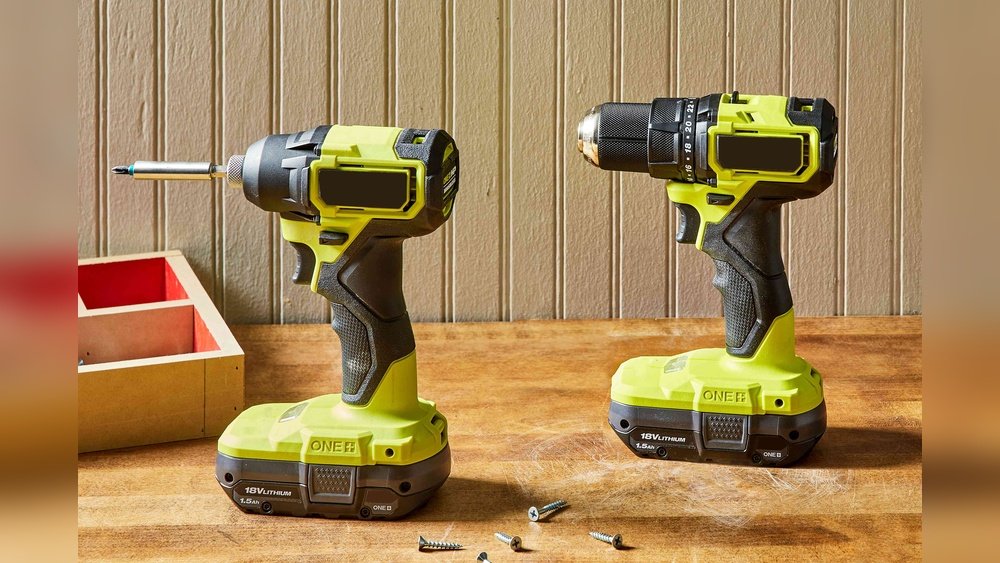
Have you ever wondered if your cordless impact driver can drill holes just like a regular drill? You might already love how handy and powerful your impact driver feels, but when it comes to drilling holes, you may be unsure if it’s the right tool for the job.
What if you could save time, space, and money by using just one tool for both driving screws and drilling holes? Keep reading, and you’ll discover the surprising truth about cordless impact drivers and how they can change the way you work on your projects.
This is exactly what you need to know before picking up your next tool!
Cordless Impact Drivers Vs Drills
Cordless impact drivers and drills are common tools for many projects. Both look similar but serve different purposes. Understanding their differences helps choose the right tool for the job.
Key Differences
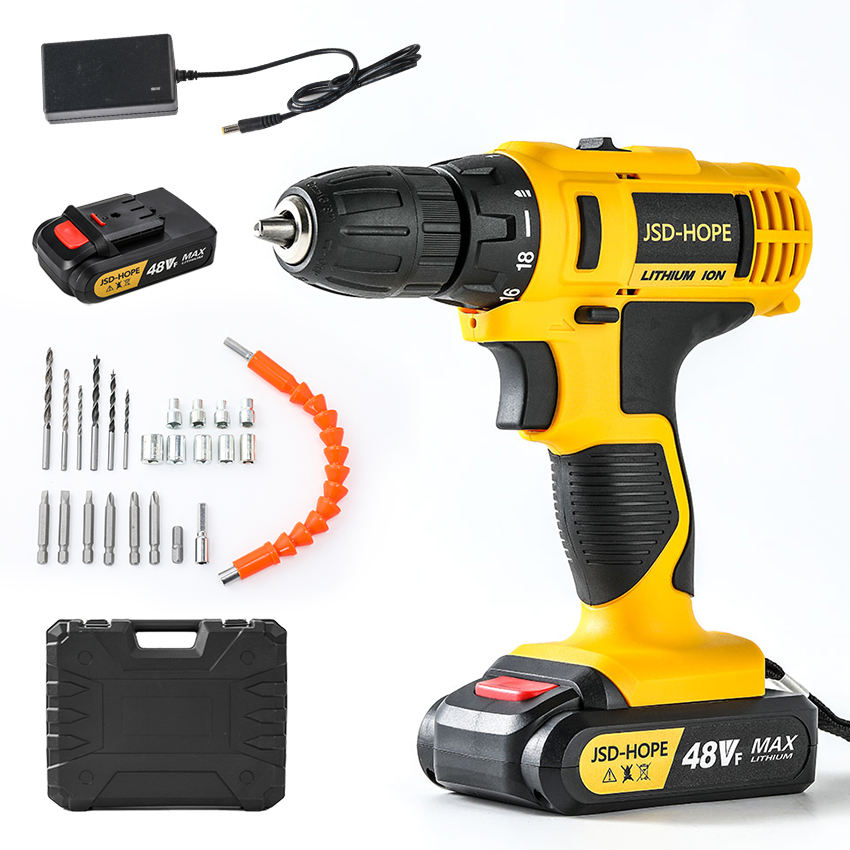
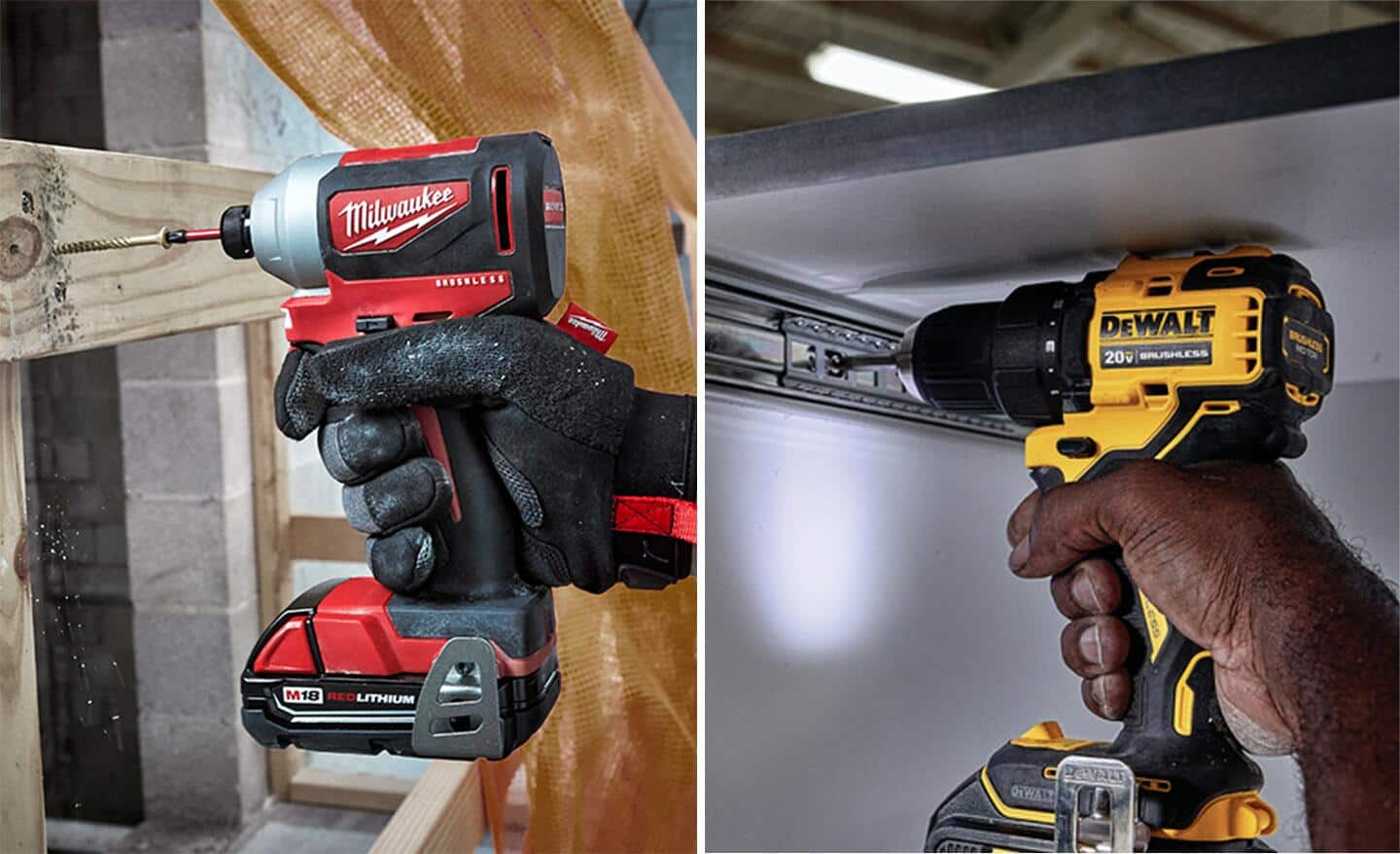
Impact drivers use quick bursts of high torque. This helps drive screws faster and deeper. They have a hex collet for bits, not a chuck. Drills use a chuck to hold round or hex bits. Drills provide steady, continuous rotation. They work well for drilling holes and light driving.
Common Uses
Impact drivers excel at driving long screws and bolts. They work well on tough materials like wood and metal. Drills are better for making holes in wood, plastic, and metal. They also mix paint or other liquids with special attachments. Both tools are useful but serve distinct roles.
Credit: kaz-metiz.com
Drilling Capabilities Of Impact Drivers
Cordless impact drivers are popular tools for driving screws and bolts. Many users wonder if these tools can also drill holes. Understanding their drilling capabilities helps decide if an impact driver fits your needs.
Impact drivers use a unique mechanism that delivers quick bursts of high torque. This design differs from regular drills, which rotate smoothly and steadily. Knowing how impact drivers work clarifies their strengths and limits in drilling tasks.
How Impact Drivers Work
Impact drivers combine rotation with strong, rapid impacts. These impacts push the bit forward while turning it. This action helps drive screws quickly and prevents slipping.
Unlike drills, impact drivers do not provide constant rotation speed. They focus on bursts of power to handle tough fasteners. This makes them less ideal for precise drilling.
Suitable Materials For Drilling
Impact drivers can drill holes in soft materials like wood and plastic. They perform well with thin or soft metal sheets. Using the correct drill bit is important for better results.
Hard materials like concrete or thick metal are not suitable for impact drivers. These materials need steady rotation and higher control. For tough surfaces, a dedicated drill is a better choice.
Types Of Holes Impact Drivers Can Drill
Impact drivers are versatile tools mainly used for driving screws. They also have the power to drill holes of various sizes. Knowing the types of holes they can drill helps in using them effectively. Different hole sizes require different bits and techniques.
Small Diameter Holes
Impact drivers excel at drilling small holes up to about 1/4 inch in diameter. These holes are common for pilot holes or small screws. The high torque helps the bit cut through wood and soft materials quickly. Using a proper drill bit made for impact drivers ensures clean holes. Small holes are perfect for furniture assembly and light construction tasks.
Medium Diameter Holes
Drilling medium holes between 1/4 inch and 1/2 inch is possible with the right setup. Impact drivers can handle these holes in wood, plastic, and thin metals. For medium holes, use high-quality bits designed to withstand impact force. These holes are useful for larger screws, bolts, and anchor points. Drilling medium holes expands the tool’s use beyond just driving screws.
Limitations In Drilling With Impact Drivers
Impact drivers are popular for driving screws and bolts fast. Many wonder if they can also drill holes effectively. While they can drill, impact drivers have limits that affect performance and results. Understanding these limits helps choose the right tool for your job.
Hole Size Restrictions
Impact drivers work best with small drill bits. Usually, bits up to 1/4 inch fit well. Larger holes need more torque and steady rotation, which impact drivers lack. Using bigger bits can cause wobbling and poor control. This leads to uneven holes and possible damage to the material.
Material Hardness Challenges
Hard materials like metal or concrete are tough on impact drivers. The rapid impacts can wear out bits quickly. Also, impact drivers may struggle to keep steady power on hard surfaces. This reduces drilling speed and can overheat the tool. Softer woods or plastics are easier to drill with impact drivers.
Choosing The Right Drill Bits
Choosing the right drill bits is key for using a cordless impact driver to drill holes. Not all bits work well with impact drivers. Picking the right ones ensures better performance and longer bit life.
Different jobs need different bits. The right bit matches the material and tool power. This helps you drill clean, precise holes without damage.
Impact-rated Bits
Impact-rated bits are made to handle the strong force of impact drivers. They have tough steel and special tips. This makes them last longer and resist breaking.
Using regular bits with an impact driver can cause quick wear or snapping. Impact-rated bits give better control and safety. They work well on wood, metal, and plastic.
Material-specific Bits
Material-specific bits match the surface you drill. Wood bits have sharp points to start holes easily. Metal bits are made from hard steel for tough metals.
Masonry bits have carbide tips to drill into brick or concrete. Using the right bit avoids damage and makes cleaner holes.
Choosing bits by material improves drilling speed and accuracy. It also extends the life of your drill bits and tool.
Credit: www.homedepot.com
Tips For Effective Drilling With Impact Drivers
Drilling with a cordless impact driver can be effective with the right approach. Understanding how to control speed and pressure helps make clean holes. Following safety steps protects you during the work. These tips improve your drilling experience and results.
Speed And Pressure Control
Start drilling at a low speed to maintain control. Increase speed gradually as the bit cuts into the material. Apply steady, moderate pressure without forcing the drill. Too much pressure can damage the bit or material. Let the impact driver do the work. Adjust speed and pressure based on material hardness for best results.
Safety Precautions
Wear safety glasses to protect your eyes from flying debris. Use ear protection if working in noisy environments. Keep hands away from the drill bit while operating. Secure the material firmly to avoid slipping. Charge batteries fully before starting to prevent power loss. Inspect the drill and bit for damage before use.
When To Use A Cordless Drill Instead
Choosing the right tool makes drilling easier and safer. Cordless impact drivers are great, but they do not fit every task. Some jobs need a cordless drill for better results. Knowing when to switch helps you work faster and avoid mistakes.
Heavy-duty Drilling Needs
Impact drivers lack the power for large holes in hard materials. Cordless drills offer steady torque and better control for tough jobs. They handle thicker wood, metal, and masonry more efficiently. Using a cordless drill prevents damage to the tool and the work surface. They keep the drill bit steady during heavy drilling.
Precision Drilling Tasks
Impact drivers can be too strong for delicate holes. Cordless drills provide smooth, low-speed options for careful drilling. This control is important for small holes or fragile materials. Drills reduce the risk of cracking or splitting the workpiece. They allow better alignment and cleaner hole edges.
:max_bytes(150000):strip_icc()/SPR-impact-driver-vs-drill-5116867-hero-37b95592c1a44e97baa3de9f859fbd0a.jpg)
Credit: www.thespruce.com
Frequently Asked Questions
Can A Cordless Impact Driver Drill Holes Effectively?
Yes, a cordless impact driver can drill holes, especially in wood and metal. It’s powerful but may lack precision compared to drills.
What Materials Can Cordless Impact Drivers Drill Through?
Cordless impact drivers handle wood, metal, and plastic well. They struggle with harder materials like concrete or masonry without special bits.
Are Cordless Impact Drivers Better Than Drills For Hole Drilling?
Impact drivers offer more torque, ideal for tough screws. For precise, clean holes, a drill is generally better suited.
What Drill Bits Work Best With Impact Drivers?
Use hex-shank bits designed for impact drivers. They resist wear and fit securely, ensuring efficient drilling and longer bit life.
Conclusion
Cordless impact drivers can drill holes, but not like regular drills. They work best for small, quick holes in wood or metal. For bigger or precise holes, a drill is better. Cordless impact drivers are handy tools for many tasks.
Choose the right tool depending on the job. This helps you work faster and safer every time.
