


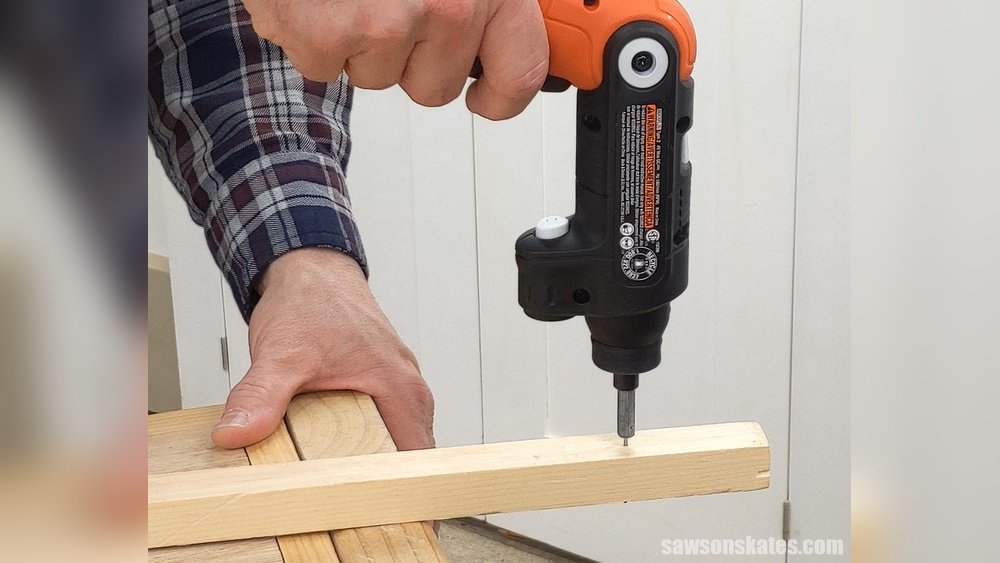
Have you ever wondered if your cordless screwdriver can do more than just drive screws? Maybe you’re facing a project where drilling holes in wood is needed, but you don’t have a drill handy.
Can your trusty cordless screwdriver handle the job? Before you start, it’s important to know what it can and can’t do. You’ll discover whether a cordless screwdriver is up to the task of drilling holes in wood and how to get the best results without damaging your tool or material.
Keep reading to find out how to make the most of your cordless screwdriver and save time on your next woodworking project.
Cordless Screwdriver Basics
Cordless screwdrivers are popular tools in many homes and workshops. They are small, light, and easy to handle. These tools help drive screws quickly without the need for a power cord. Many people wonder if a cordless screwdriver can also drill holes in wood. Understanding the basics of cordless screwdrivers helps answer this question.
Design And Purpose
Cordless screwdrivers are designed mainly to drive screws. They have a compact body and a short, stubby bit holder. This design gives good control for screw driving. The motor inside is less powerful than a drill. The tool focuses on torque, not speed or drilling force. It is best for light tasks like assembling furniture or fixing small items.
Common Features
Most cordless screwdrivers come with a rechargeable battery. They have a variable speed trigger to control screw driving speed. The tool often includes a built-in LED light for dark spaces. Some models have a clutch to prevent over-tightening screws. Many come with a set of screwdriver bits but not drill bits. These features make them great for screws, but not ideal for drilling holes in wood.
:max_bytes(150000):strip_icc()/102088822-1-2000-7ff8806d74124630a0ad7203bbf7d7af.jpg)
Credit: www.woodmagazine.com
Drilling Capabilities
Cordless screwdrivers are popular tools for many tasks around the home. They are small, light, and easy to use. But can they drill holes in wood? Understanding their drilling capabilities helps answer this.
Drilling requires power and the right tools. Cordless screwdrivers have limits compared to regular drills. Knowing these limits helps you use them properly and avoid damage.
Power And Torque Limits
Cordless screwdrivers have less power than drill drivers. Their motors deliver lower torque. This means they can only drill small holes in soft wood.
Hard wood or large holes need more power. Using a cordless screwdriver on tough wood might slow the tool or stop it. It can also drain the battery fast.
For light drilling tasks, cordless screwdrivers work fine. Small projects and soft wood are easy to handle. But heavy drilling requires stronger tools.
Suitable Drill Bits
Choosing the right drill bits is important. Cordless screwdrivers fit smaller bits, usually up to 6mm. These bits work well for small holes.
Use bits designed for wood. They have sharp edges to cut clean holes. Avoid bits that are too big or made for metal or masonry.
Smaller bits reduce strain on the screwdriver. They help keep the tool running smoothly and safely.
Drilling Holes In Wood
Drilling holes in wood is a common task for many projects. A cordless screwdriver can often handle this job well. Understanding the type of wood and the hole size is important to get good results. This section explains what to consider when drilling holes in wood with a cordless screwdriver.
Wood Types And Thickness
Different woods have different hardness levels. Softwoods like pine are easier to drill. Hardwoods like oak need more power and sharper bits.
Thicker wood requires more time and pressure. Thin wood can split if drilled too fast. Choose the right drill bit for the wood type and thickness.
Hole Size Considerations
The hole size depends on your project’s needs. Small holes need smaller drill bits. Large holes require bigger, stronger bits.
A cordless screwdriver may struggle with very large holes. Use steady speed and light pressure for clean holes. Avoid forcing the tool to prevent damage.

Credit: www.sautershop.com
Tips For Effective Drilling
Drilling holes in wood using a cordless screwdriver can be simple with the right approach. Knowing how to handle the tool and selecting the correct accessories helps get clean holes without damaging the wood. These tips make the drilling process easier and safer for everyone.
Choosing The Right Bit
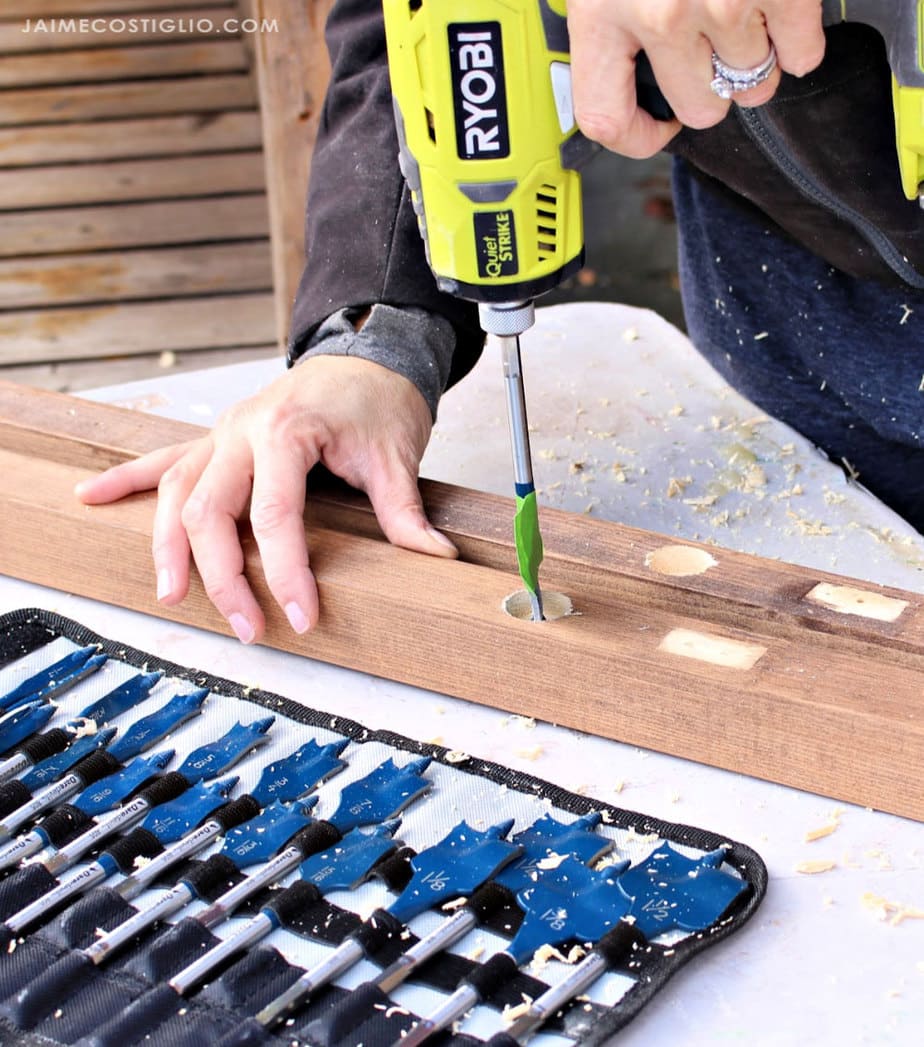
Select a drill bit made for wood. Twist bits and spade bits work well. Avoid using screwdriver bits to drill holes. The bit size should match the hole size you need. Using the wrong bit can crack or splinter the wood. Make sure the bit fits tightly in the screwdriver chuck.
Proper Speed And Pressure
Start drilling at a low speed. Increase speed slowly as the bit goes deeper. Use steady, gentle pressure. Pressing too hard can break the bit or damage the wood. Let the tool do the work. If the bit gets stuck, stop and clear the hole before continuing.
Safety Precautions
Wear safety glasses to protect your eyes from wood chips. Keep fingers away from the bit while drilling. Work on a stable surface to avoid slips. Ensure the cordless screwdriver battery is fully charged for consistent power. Stop drilling if the tool feels hot or if you hear strange noises.
Alternatives To Cordless Screwdrivers
Cordless screwdrivers are handy for many tasks, but they may not be the best for drilling holes in wood. Different tools work better depending on the job. This section explores some useful alternatives to cordless screwdrivers. These options can help you drill holes more easily and with better results.
Cordless Drills
Cordless drills are a popular choice for drilling holes in wood. They have more power than cordless screwdrivers. This makes drilling faster and cleaner. You can change the drill bits to fit different hole sizes. Cordless drills are easy to carry and use anywhere.
Drill Drivers
Drill drivers combine drilling and driving functions. They work well for many projects around the house. Drill drivers offer more torque than screwdrivers. This helps when drilling into hard wood. Their adjustable speed control adds precision and safety.
Manual Tools
Manual tools like hand drills and awls still have their place. They do not need batteries or electricity. Manual tools give you full control over drilling speed. They are quiet and simple. Use them for small holes or delicate woodwork.
Maintenance And Battery Care
Proper maintenance and battery care keep your cordless screwdriver working well. Regular care helps the tool last longer. It also keeps the battery strong for drilling holes in wood. A well-kept tool saves money and effort.
Extending Battery Life
Charge the battery before it gets completely empty. Avoid leaving it plugged in all the time. Store the battery in a cool, dry place. Hot or cold places can damage the battery. Use the correct charger for your screwdriver model. Clean battery contacts gently to keep good connection. These steps help your battery hold power longer.
Tool Upkeep
Keep the screwdriver clean after every use. Wipe dust and wood chips from the tool. Check the drill bits for wear or damage. Replace dull or broken bits for better drilling. Tighten screws and parts to avoid loose pieces. Store the screwdriver in a safe, dry spot. Good upkeep ensures the tool works safely and well.
Credit: jaimecostiglio.com
Frequently Asked Questions
Can A Cordless Screwdriver Drill Holes In Wood?
Yes, a cordless screwdriver can drill holes in wood. However, it works best for small, soft wood tasks. For larger holes or hardwood, a cordless drill is more effective.
What Drill Bits Work With Cordless Screwdrivers?
Cordless screwdrivers typically use hex-shank drill bits. These bits fit securely in the screwdriver’s chuck, allowing light drilling tasks on wood or plastic.
Is A Cordless Screwdriver Powerful Enough For Wood Drilling?
Cordless screwdrivers have limited torque and speed compared to drills. They handle light wood drilling but may struggle with thick or hard wood.
How To Safely Drill Holes With A Cordless Screwdriver?
Use the correct drill bit and steady pressure. Start slowly to avoid bit slipping and apply consistent force for clean holes in wood.
Conclusion
A cordless screwdriver can drill holes in wood, but with limits. It works best for small, soft wood projects. Avoid using it for big or hard wood tasks. Choose the right drill bit for clean holes. Take your time and apply steady pressure.
This tool offers convenience and easy handling. For tougher jobs, a drill is a better choice. Keep your cordless screwdriver charged and ready. Small repairs and light woodworking become simple with it. So, use it wisely for the best results.
