


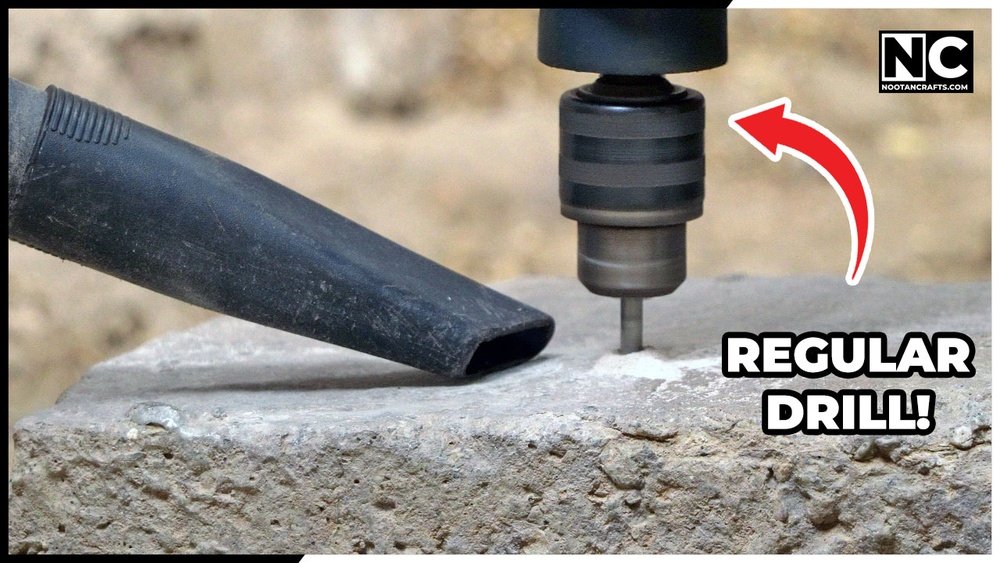
Are you wondering if a hammer drill can really drill through concrete? If you’ve faced the challenge of making holes in tough surfaces, you know how tricky it can be.
Using the right tool makes all the difference, and a hammer drill might be just what you need. But can it handle concrete without breaking or slowing down? Keep reading to find out how a hammer drill works on concrete, what to expect, and tips to get the job done right.
Your next project could be easier than you think.
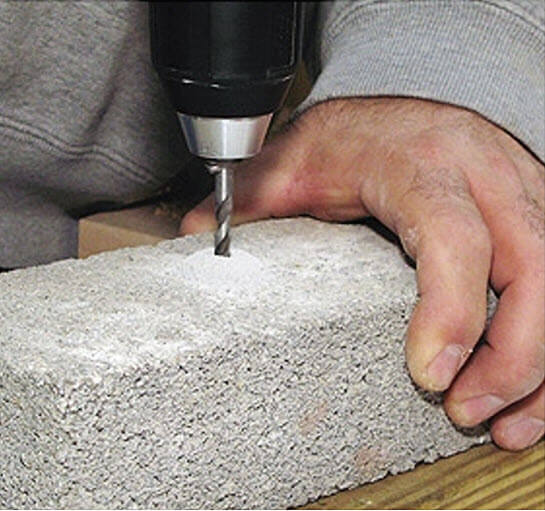
Credit: toolstoday.com
Hammer Drill Basics
A hammer drill is a useful tool for drilling into hard materials like concrete. It combines the action of a regular drill with a hammering motion. This hammering helps break up tough surfaces, making drilling easier and faster. Understanding how a hammer drill works and its types can help you choose the right tool for your job.
How Hammer Drills Work
A hammer drill uses two movements at once: rotation and hammering. The drill bit spins while it moves back and forth quickly. This pounding action helps chip away at hard materials. The hammering motion makes drilling into concrete easier than a regular drill. You feel a strong vibration while using the drill.
Types Of Hammer Drills
There are two main types of hammer drills: corded and cordless. Corded drills plug into an outlet for constant power. Cordless drills run on batteries for more mobility. Some hammer drills have adjustable settings for hammering and drilling only. Choose a type based on your work needs and how often you drill.
Hammer Drill Vs Rotary Hammer
A hammer drill is lighter and good for small jobs. A rotary hammer is bigger and stronger for heavy concrete work. Rotary hammers use a piston mechanism for more powerful hammering. They can drill larger holes faster and with less effort. Hammer drills suit light to medium tasks, while rotary hammers handle tough jobs.

Credit: www.youtube.com
Drilling Concrete With Hammer Drill
Drilling concrete requires power and the right tool. A hammer drill is perfect for this job. It uses rapid hammering action to break the hard surface. This makes drilling faster and easier than a regular drill.
Using a hammer drill correctly ensures clean holes and saves time. It works well for tasks like installing anchors or running wires through walls. Understanding the process helps you get the best results without damaging the drill or the concrete.
Suitable Drill Bits For Concrete
Choose drill bits made for concrete or masonry. Carbide-tipped bits are strong and last longer. They handle the hammering action without breaking. Avoid using regular steel bits. They wear out quickly and cause poor drilling.
Drill bits come in different sizes. Match the bit size to the hole you need. Use smaller bits for pilot holes. Larger bits work for anchors or bolts.
Preparing The Drill And Workspace
Check the hammer drill before starting. Make sure the hammer mode is on. Insert the right drill bit tightly. Wear safety glasses and gloves to protect yourself.
Clear the workspace of dust and debris. Use a vacuum or brush to clean the area. Mark the spot where you want to drill. Secure any loose objects nearby to avoid accidents.
Step-by-step Drilling Process
Hold the drill firmly with both hands. Start drilling at a slow speed to create a guide hole. Increase speed gradually while applying steady pressure. Let the hammer drill do the work, not your force.
Pause occasionally to pull out the bit. Clear dust from the hole for better drilling. Keep the drill straight to avoid angled holes. Drill to the required depth carefully and stop.
Tips For Perfect Results
Getting perfect results with a hammer drill on concrete takes care and attention. Simple steps help you drill clean holes without damage. Follow these tips to improve your work and protect your tool.
Drilling concrete is tough. Using the right speed, pressure, and safety measures makes the job easier and safer.
Choosing The Right Speed And Pressure
Set the hammer drill to a slow or medium speed. High speed can wear out the bit quickly. Apply steady, firm pressure. Too much force can break the bit or crack the concrete. Let the drill do the work. If the drill slows down, reduce pressure and clean the bit.
Cooling And Dust Management
Concrete drilling creates heat and dust. Use water or take breaks to cool the bit. Overheating damages the drill and bit. Dust can block the hole and hurt your lungs. Wear a mask and use a vacuum or dust collector. Keep the work area clean for better results.
Safety Precautions
Wear safety glasses to protect your eyes from flying debris. Use ear protection to guard your hearing. Gloves help keep a firm grip and protect your hands. Make sure the drill bit is sharp and secure. Check the drill for damage before starting. Keep others away while drilling.
Common Challenges And Solutions
Drilling concrete with a hammer drill comes with some common challenges. These problems can slow down your work or damage your tools. Knowing how to handle these issues helps you drill more efficiently. Below are typical challenges and simple ways to solve them.
Dealing With Hard Or Reinforced Concrete
Concrete can be very hard, especially if it has steel bars inside. These bars, called rebar, stop the drill bit from going through easily. Use a hammer drill with a strong motor and a carbide-tipped bit. Drill slowly and apply steady pressure. If you hit rebar, stop and change the bit to a masonry or metal bit. Do not force the drill. Let the tool do the work.
Preventing Drill Bit Wear
Drill bits wear out quickly when used on tough concrete. A worn bit makes drilling harder and can break. Use bits made for concrete, like carbide-tipped ones. Keep the bit cool by drilling in short bursts. Remove dust from the hole often. Replace the bit as soon as it shows signs of dullness to keep your work smooth.
Handling Drill Slippage
The drill bit can slip on smooth concrete surfaces. Slippage causes uneven holes and can be unsafe. Mark the spot clearly before drilling. Use masking tape on the spot to create grip. Start drilling at a low speed to create a small indent. This helps the bit stay in place. Hold the drill firmly and keep it steady during work.
Maintenance For Hammer Drills
Maintaining your hammer drill is key to keeping it working well. Regular care helps the tool last longer and perform better. Simple steps can prevent costly repairs and downtime.
Taking time for maintenance ensures your drill stays strong for concrete jobs. Follow these tips to keep your hammer drill in top shape.
Cleaning After Use
Remove dust and debris from the drill after each use. Use a dry cloth or soft brush to clean vents and surfaces. Avoid water or harsh chemicals that can damage parts. Clean tools work more efficiently and stay cooler during use.
Checking And Replacing Parts
Inspect the drill’s parts regularly for wear or damage. Look at the drill bits, brushes, and cords closely. Replace worn bits to keep drilling smooth and safe. Change carbon brushes if the drill loses power or stalls. Regular checks prevent breakdowns and keep the tool reliable.
Storage Tips
Store your hammer drill in a dry, cool place away from dust. Use the original case or a sturdy box for protection. Avoid places with high humidity to stop rust and corrosion. Proper storage keeps the drill ready for your next project.

Credit: www.youtube.com
Frequently Asked Questions
Can A Hammer Drill Effectively Drill Concrete?
Yes, a hammer drill is designed to drill into concrete. It combines rotary drilling with hammering action to break through hard surfaces quickly and efficiently.
What Drill Bit Is Best For Drilling Concrete?
Use a carbide-tipped masonry drill bit for concrete. These bits are durable and designed to withstand the hammering action without dulling quickly.
Is A Hammer Drill Better Than A Regular Drill For Concrete?
Yes, a hammer drill is better for concrete because it delivers a hammering motion. Regular drills lack this feature and struggle with hard materials.
Can A Hammer Drill Damage Concrete?
If used improperly, a hammer drill can cause cracks. Always use the correct bit and moderate pressure to avoid damaging the concrete.
Conclusion
A hammer drill works well for drilling into concrete. It uses rapid hammering to break the hard surface. This makes holes faster and easier than regular drills. Choose the right bit for the best results. Wear safety gear to protect your eyes and hands.
Keep steady pressure and let the drill do the work. With the right tool and care, drilling concrete becomes simple. This tool suits many home and construction projects. Try it and see how much easier concrete work gets.
