


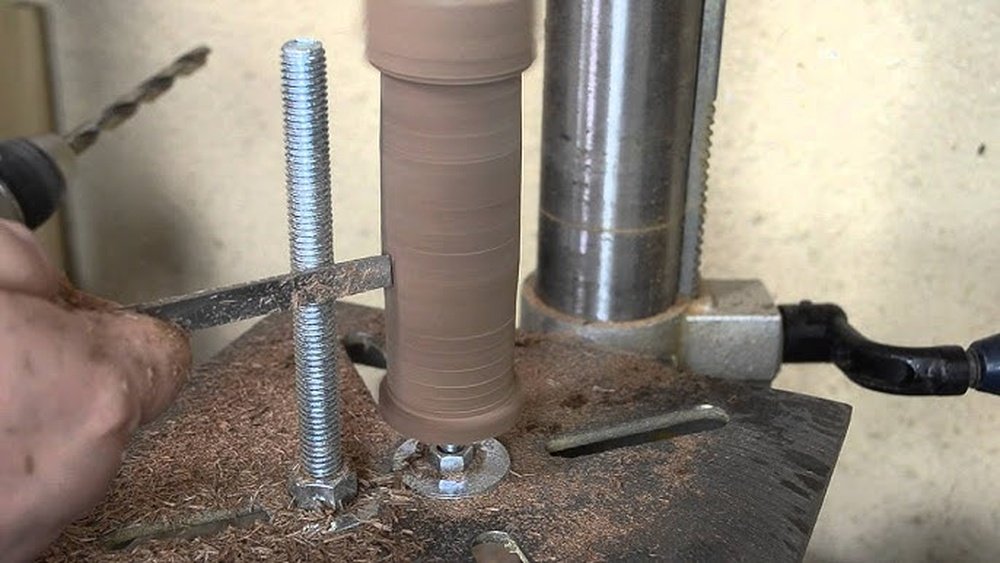
Have you ever looked at your drill press and wondered if it could do more? What if you could turn it into a lathe and unlock new possibilities for your projects?
You’re not alone—many DIY enthusiasts ask the same question. Transforming your drill press into a lathe might sound tricky, but with the right approach, it could be easier than you think. You’ll discover how to make this switch, what tools you’ll need, and the pros and cons to consider before you start.
Ready to expand your workshop’s capabilities? Let’s dive in and find out if your drill press can become a lathe.

Credit: www.instructables.com
Drill Press Vs Lathe
A drill press and a lathe are both useful tools in a workshop. They look similar but serve different purposes. Understanding their differences helps decide if a drill press can become a lathe.
Each tool has unique parts and functions. This affects what tasks they perform best. Let’s explore the key differences and common uses of each.
Key Differences
A drill press holds the workpiece still while the drill bit spins. It drills holes straight into the material. The spindle moves up and down to cut into the workpiece.
A lathe spins the workpiece instead. The cutting tool stays still or moves slowly. This allows shaping, cutting, or sanding round objects like wood or metal rods.
Drill presses have a fixed spindle speed. Lathes often allow speed changes to suit the task. The tool setup and control are very different.
Common Uses
Drill presses mainly drill precise holes. They also help with sanding or polishing using special attachments. They work well on wood, metal, and plastic sheets.
Lathes shape round objects by turning them against a tool. They create bowls, chair legs, or metal shafts. Lathes can cut, sand, or thread materials.
Each tool suits certain projects. Using the right one improves quality and safety. Knowing this helps decide if converting a drill press is worth it.

Credit: www.youtube.com
Tools And Materials Needed
To turn a drill press into a lathe, you need specific tools and materials. These parts help you shape wood or metal safely and correctly. Having the right gear saves time and prevents damage to your equipment.
Essential Components
First, you need a tool rest to hold your cutting tools steady. A faceplate or chuck adapter lets you fix the workpiece securely. A live center supports the other end of the workpiece and allows it to spin freely. You will also need a drive center or a spur to transfer power from the drill press to the workpiece. A sturdy base or stand may be necessary to keep everything stable during use.
Safety Gear
Safety is very important while working with tools. Wear safety goggles to protect your eyes from flying debris. Use ear protection to reduce noise exposure. Gloves can protect your hands but only if they do not catch on moving parts. A dust mask helps avoid inhaling fine particles. Make sure to wear close-fitting clothes and tie back long hair to avoid accidents.
Preparing The Drill Press
Preparing the drill press is the first step to turn it into a lathe. This process helps ensure safety and efficiency. Before starting, you must clean and check all parts. Removing the chuck is also important to fit new lathe components. Taking time to prepare helps avoid problems later.
Cleaning And Inspection
Start by unplugging the drill press. Remove dust, dirt, and grease from all surfaces. Use a soft cloth and mild cleaner for this task. Check the table, column, and spindle for damage. Look for cracks or loose parts. Tighten any screws and bolts you find loose. Make sure the drill press moves smoothly up and down. This step ensures the machine works well as a lathe.
Removing The Chuck
The chuck holds drill bits tightly. To use the drill press as a lathe, remove the chuck first. Use a chuck key to loosen it. Turn the key counterclockwise to release the chuck. If it is stuck, apply a little penetrating oil and wait. Once loose, carefully pull the chuck off the spindle. Keep the chuck in a safe place for future use. Removing the chuck allows space for lathe attachments.
Building The Lathe Attachment
Building the lathe attachment for your drill press turns it into a versatile tool. This upgrade allows you to shape wood or metal by spinning the workpiece. Proper assembly is key for safety and accuracy. Focus on three main parts: the workpiece holder, the tailstock, and the tool rest. Each part plays a role in making your DIY lathe stable and functional.
Selecting The Workpiece Holder
The workpiece holder is the heart of the lathe. It must hold the material firmly while spinning. Choose a chuck or faceplate that fits your drill press spindle. A 3-jaw chuck is a common choice because it grips round objects well. Ensure the holder is balanced to avoid wobbling during rotation. Check compatibility with different sizes of wood or metal pieces.
Crafting The Tailstock
The tailstock supports the workpiece on the opposite side of the holder. It helps keep the material steady while turning. You can build a tailstock from wood or metal parts. The tailstock should slide smoothly and lock in place. It needs a center pin or live center to hold the material securely. Proper alignment with the workpiece holder is essential for even spinning.
Mounting The Tool Rest
The tool rest guides your cutting tools as you shape the workpiece. It must be strong and adjustable. Mount it so you can move it close to the spinning material. Use bolts or clamps to fix the tool rest firmly. The height should match your tool’s angle for comfortable use. A steady tool rest improves control and safety during turning.
Assembly And Setup
Setting up a drill press to work as a lathe requires careful assembly and precise alignment. This step ensures your project runs smoothly and safely. The process involves attaching the right parts and correctly positioning the workpiece. Taking time here avoids errors and improves your results.
Attaching Components
Start by securing a lathe chuck to the drill press spindle. Use an adapter if needed to fit the chuck properly. Tighten all screws firmly to prevent slipping during rotation. Next, attach a tool rest near the work area. This rest supports your cutting tools while shaping materials. Make sure the tool rest can move and lock in place easily.
Aligning The Workpiece
Place your workpiece between the chuck and a tailstock or center support. Align it straight to avoid wobbling. Check the alignment by rotating the workpiece slowly by hand. Adjust the position until it spins evenly without shaking. Proper alignment helps create smooth, accurate cuts and extends tool life.

Credit: makezine.com
Operating The Diy Lathe
Operating a DIY lathe made from a drill press requires care and focus. Understanding the machine’s controls and how to handle the material is key. This section covers important tips to help you start turning safely and effectively.
Speed Settings
Speed control is vital for good results. Use low speeds for larger or harder materials. Higher speeds work best for smaller or softer pieces. Adjust the drill press speed dial to match the material type. Always start slow and increase speed gradually. Proper speed reduces tool wear and prevents damage.
Basic Turning Techniques
Hold your cutting tool firmly and steady. Move the tool gently against the spinning workpiece. Use smooth, even strokes for a clean finish. Avoid pushing too hard to prevent gouges or accidents. Check your work often and make small adjustments. Practice on scrap wood to build confidence before real projects.
Safety Tips
Using a drill press as a lathe can be risky without proper safety steps. Safety tips help protect you from injuries and damage. Follow these tips to work safely and confidently.
Protective Measures
Always wear safety glasses to protect your eyes. Use ear protection to reduce loud noise. Wear gloves only if they do not catch in moving parts. Secure loose clothes and tie back long hair. Keep your workspace clean and well-lit. Use clamps to hold your workpiece firmly. Turn off the drill press before adjusting anything.
Common Hazards
Spinning parts can catch fingers or clothes easily. Flying debris may hit your face or eyes. Poorly secured workpieces can fly off. Overheating tools can cause burns. Electric shocks are possible if tools are wet or damaged. Loud noise can damage hearing over time. Not following safety rules leads to serious injuries.
Limitations And Considerations
Turning a drill press into a lathe sounds useful. It can save money and space. Still, some limits and risks exist. Knowing these helps avoid problems and bad results.
Performance Constraints
A drill press is not made for turning wood or metal like a lathe. Its motor speed and torque may not match lathe needs. This can cause uneven work or damage to tools. The drill press lacks the proper spindle and bearings for smooth rotation. This affects precision and surface finish. The setup can be unstable. The drill press table does not support long workpieces well. Safety is another concern. The drill press lacks guards used in lathes to protect the user from spinning parts.
When To Use A Real Lathe
A real lathe is best for projects needing accuracy and smooth finishes. It handles bigger and longer materials safely. Use a lathe for turning bowls, spindles, or metal parts. A lathe offers better speed control and more power. It also has tools designed for shaping and cutting. Choose a lathe if you want consistent results and safer operation. For quick, small jobs, a drill press mod might work but expect limits.
Maintenance And Upkeep
Keeping your drill press in good shape is key for safe and effective use as a lathe. Regular maintenance helps the machine run smoothly. It also prevents damage and extends the tool’s life. Small steps after each use make a big difference over time.
Cleaning After Use
Remove dust and debris from the drill press after every project. Use a soft brush or cloth to clean the spindle and work surface. Avoid water or harsh chemicals that may cause rust. Keep the motor area free of sawdust to prevent overheating. A clean tool works better and lasts longer.
Checking For Wear
Inspect moving parts regularly for signs of wear or damage. Check belts, bearings, and the chuck for cracks or looseness. Tighten screws and bolts to keep everything secure. Replace worn parts quickly to avoid accidents. Regular checks ensure the drill press stays safe and reliable as a lathe.
Frequently Asked Questions
Can A Drill Press Be Converted Into A Lathe?
Yes, a drill press can be modified into a lathe using specific attachments. This allows light turning tasks and saves space.
What Tools Are Needed For This Conversion?
You need a lathe chuck, tool rest, and tailstock attachment for conversion. Proper mounting and alignment are crucial for safety and accuracy.
Is It Safe To Use A Drill Press As A Lathe?
Using a drill press as a lathe can be safe with correct setup. Ensure all parts are securely fixed and wear safety gear.
What Are The Limitations Of A Drill Press Lathe?
A drill press lathe handles only small, light projects. It lacks the power and precision of a dedicated lathe machine.
Conclusion
Turning a drill press into a lathe can work for small projects. It takes careful setup and safety checks. The results may not match a real lathe’s power or precision. Still, it offers a cheap way to try basic turning tasks.
Always use the right tools and protect yourself during work. This idea suits hobbyists with patience and some skill. For serious or large jobs, a proper lathe remains the best choice. Experiment and learn, but keep safety as your top priority.
