



Are you planning to travel with your cordless drill but unsure if you can pack it in your checked luggage? You’re not alone—many travelers worry about whether their tools will make it through airport security without a hitch.
Knowing the rules can save you time, stress, and even prevent your drill from being confiscated. Keep reading to find out exactly what you need to know before you pack your cordless drill for your next trip.
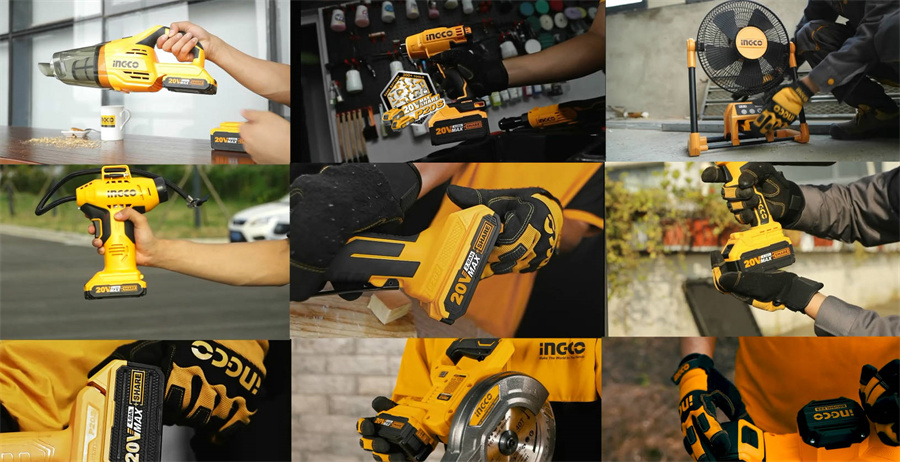
Credit: www.ingco.com
Regulations For Power Tools
Carrying power tools like cordless drills on flights requires knowing the rules. Airlines and security agencies set clear limits. These rules keep passengers and crew safe. Understanding them helps avoid trouble at the airport. It also ensures smooth travel with your tools.
Airline Rules On Cordless Drills
Most airlines allow cordless drills in checked luggage. Still, each airline may have specific rules. Some require the drill to be turned off and protected. Airlines often ask to remove batteries from the tool. The drill should be packed to avoid accidental activation. Checking your airline’s policy before packing is smart.
Battery Restrictions And Guidelines
Batteries cause the most concern for airlines and security. Lithium-ion batteries are common in cordless drills. These batteries can overheat and cause fires. Airlines limit the size and number of batteries allowed. Usually, spare batteries must be in carry-on bags. Batteries must be protected from short circuits. Tape or original covers help prevent sparks. Following battery rules is key for safe travel.

Credit: www.youtube.com
Packing Tips For Cordless Drills
Packing a cordless drill for travel needs care and planning. Proper packing keeps your drill safe and meets airline rules. Follow simple steps to protect your tool and batteries. This guide helps you pack smartly and avoid damage or delays.
Safe Battery Removal
Remove the battery from the drill before packing. Most airlines do not allow batteries inside checked bags. Keep the battery in your carry-on bag instead. Check the battery type and size. Some batteries need special handling or limits on quantity. Always pack batteries with terminals covered to prevent short circuits.
Protective Case Options
Use a hard case or padded bag for the drill. This protects it from bumps and drops during travel. Choose a case that fits your drill and accessories well. Foam inserts help keep the drill steady. A sturdy case also helps during security checks. Avoid loose packing to prevent damage.
Securing Loose Parts
Remove or secure all loose parts before packing. Small parts like drill bits can get lost or damaged. Use small containers or zip bags to hold these parts. Label the containers for easy access. Attach parts to the drill if possible. This keeps everything organized and ready for use.
Battery Types And Travel
Understanding battery types is key when packing a cordless drill for travel. Different batteries have different rules. Airlines and airports regulate batteries to keep flights safe. Knowing these rules helps avoid delays or lost tools.
Lithium-ion Battery Rules
Lithium-ion batteries are common in cordless drills. They hold a lot of power in a small size. But they can be risky if damaged or short-circuited. Many airlines restrict lithium-ion batteries in checked luggage. Usually, you must carry them in your carry-on bag. Some rules limit battery size and quantity. Always check the airline’s policy before traveling.
Alternatives For Battery Transport
If lithium-ion batteries cannot go in checked luggage, consider alternatives. Remove the battery from the drill. Carry the battery separately in your carry-on bag. Use protective covers or tape on battery terminals. This prevents accidental activation or short circuits. Some travelers ship batteries ahead to their destination. This method ensures compliance with airline safety rules. Planning ahead avoids problems at the airport.
Potential Risks In Checked Luggage
Packing a cordless drill in checked luggage comes with some risks. These risks can affect safety and the condition of your tool. Knowing these dangers helps you decide how to pack it properly.
Below are two main risks to consider before placing a cordless drill in your checked bag.
Fire Hazards
Cordless drills usually contain lithium-ion batteries. These batteries can catch fire if damaged or short-circuited. Checked luggage goes through rough handling, increasing the chance of battery damage. A fire inside the luggage compartment is very dangerous and hard to control. Airlines often have strict rules about carrying lithium batteries for this reason. Proper packing and following airline rules reduce fire risks.
Damage During Transit
Checked bags are often tossed and stacked under heavy weight. This can break or damage your cordless drill. Tools inside the bag can shift and hit other items. Damage to the drill can make it unsafe or unusable. Protect your drill with padding or a hard case to avoid damage. Secure batteries separately to prevent movement inside the bag.
Alternatives To Checked Luggage
Carrying a cordless drill on a plane can be tricky. Airlines often restrict batteries in checked luggage. Finding alternatives helps you avoid problems at security. These options offer safer and easier ways to travel with your tools.
Carry-on Options
Some airlines allow cordless drills in carry-on bags. The drill’s battery must meet airline rules. Usually, batteries under 100Wh are allowed. Remove batteries and carry them separately. Keep the drill and batteries in original packaging. Inform security officers about the battery during screening. This method keeps your drill safe and accessible.
Shipping Tools Separately
Shipping your cordless drill is a good alternative. Use trusted courier services with tool shipping options. Pack the drill carefully in a sturdy box. Remove or protect batteries according to shipping rules. Shipping avoids airline battery restrictions. It also reduces weight in your luggage. Track your package for peace of mind. This option works well for long trips or many tools.
Preparing For Security Checks
Preparing for security checks is important when packing a cordless drill in checked luggage. Security officers need to verify that your tool is safe for travel. Understanding what to expect helps reduce stress at the airport.
Clear communication and having the right documents can make the process smoother. Being ready shows respect for security rules and speeds up your journey.
Documentation Needed
Carry proof of purchase or a user manual for your cordless drill. These documents prove the drill is a personal tool, not a suspicious item. Include any information about the battery type. Airlines and security may ask about lithium batteries. Having this ready avoids delays and questions.
Communicating With Tsa Agents
Tell TSA agents about the cordless drill before screening. State that the drill contains batteries and explain how they are packed. Speak clearly and calmly to avoid confusion. Cooperation helps officers inspect your luggage quickly. Respectful communication makes the process easier for everyone.
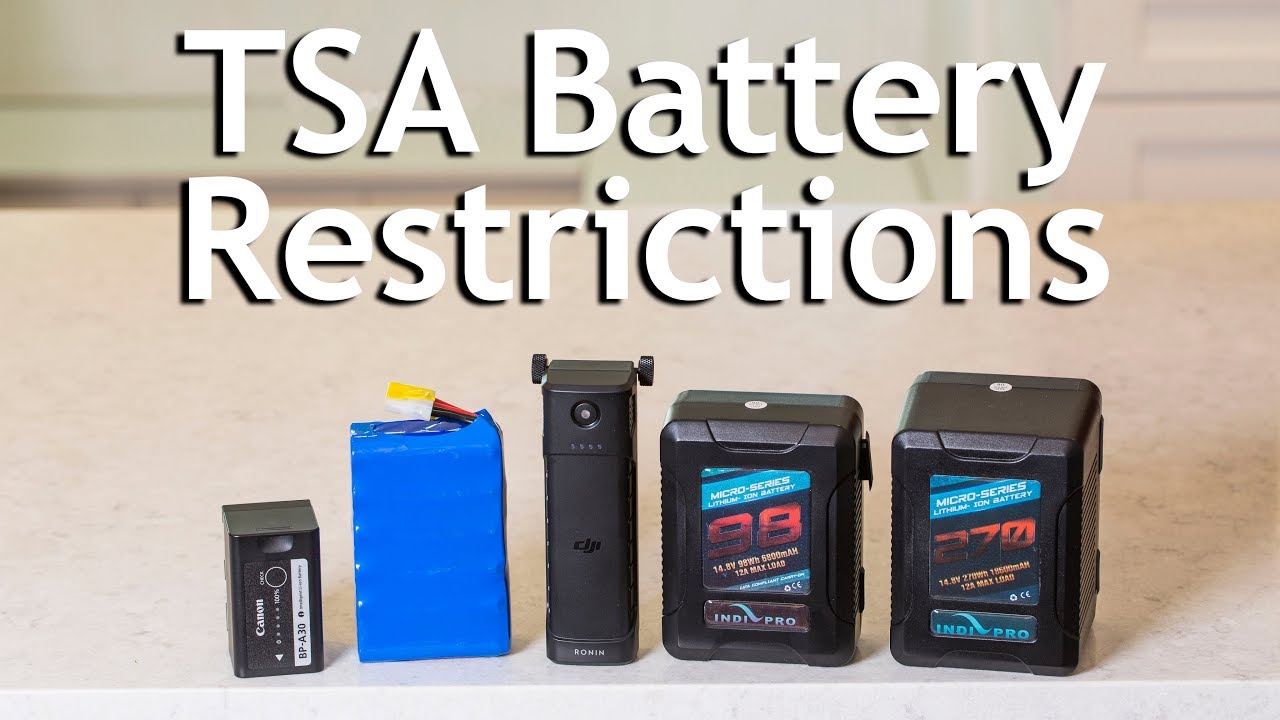
Credit: www.youtube.com
Frequently Asked Questions
Can I Pack A Cordless Drill In Checked Luggage?
Yes, you can pack a cordless drill in checked luggage. Remove batteries and pack them in carry-on bags. Airlines restrict lithium batteries in checked bags for safety.
Are Lithium Batteries Allowed In Checked Luggage?
No, most airlines prohibit lithium batteries in checked luggage. Carry them in your hand luggage to comply with safety rules.
How Should I Pack A Cordless Drill For Flying?
Remove batteries and pack them separately in carry-on luggage. Secure the drill in a sturdy case to prevent damage.
Do Airlines Charge Extra For Power Tools In Luggage?
Generally, airlines do not charge extra for power tools. Follow airline-specific rules and pack tools safely to avoid issues.
Conclusion
Packing a cordless drill in checked luggage can be tricky. Airlines have strict rules about batteries. Always check the airline’s policy before you pack. Carry batteries in your carry-on bag if possible. This helps avoid delays or confiscation at the airport.
Proper packing keeps your drill safe and secure. Follow all safety guidelines for battery transport. This way, your tools arrive without any trouble. Stay informed and pack smart for a smooth trip.
