


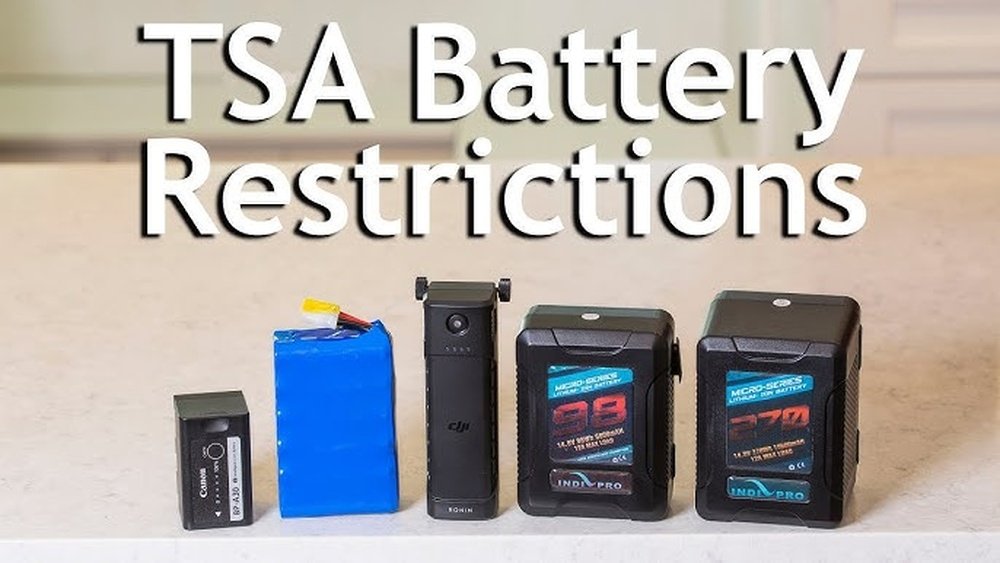
Are you planning to travel with your cordless drill and wondering if you can bring the batteries in your carry-on bag? It’s a common question that many travelers face, especially when trying to avoid checked luggage fees or keep their tools close by.
But before you pack those batteries, you need to know the rules that airlines and security agencies have in place. Understanding these guidelines can save you from delays, confiscations, or even safety risks. Keep reading to find out exactly what you can and can’t bring on your next flight when it comes to cordless drill batteries.

Credit: www.youtube.com
Regulations For Carrying Batteries
Carrying cordless drill batteries on a plane requires careful attention to rules. These batteries can be dangerous if handled wrongly. Airlines and security agencies set rules to keep everyone safe. Knowing these rules helps avoid delays and problems at the airport.
Airline Policies
Each airline has its own rules about batteries. Some allow cordless drill batteries in carry-on bags only. Others may require special packaging or limits on battery size. Always check your airline’s website before packing. Carrying batteries without following rules can lead to confiscation or fines.
Tsa Guidelines
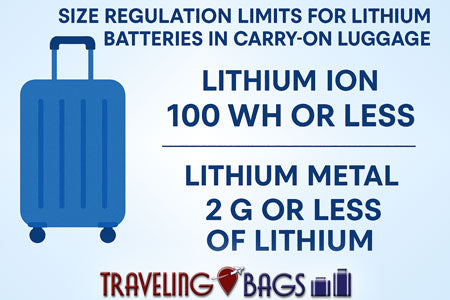
The TSA allows lithium-ion batteries in carry-on luggage. Batteries must be installed in the device or kept in separate plastic bags. Spare batteries should have their terminals covered to prevent short circuits. Large batteries over 100 watt-hours need airline approval. No batteries are allowed in checked bags.
International Rules
International flights follow rules from the International Air Transport Association (IATA). These rules limit battery size and quantity. Many countries ban batteries in checked luggage. Some countries require special labels or packaging. Check the rules for your destination before you travel to avoid issues.

Credit: uuhluggages.com
Types Of Cordless Drill Batteries
Cordless drill batteries come in different types. Each type has unique features. Knowing these types helps you understand travel rules better. This section explains common cordless drill batteries and their limits for carry-on bags.
Lithium-ion Batteries
Lithium-ion batteries are popular in cordless drills. They are light and last long. These batteries charge quickly and hold power well. Airlines pay close attention to lithium-ion batteries due to safety concerns. They can overheat or catch fire if damaged or short-circuited.
Nickel-cadmium Batteries
Nickel-cadmium batteries were common before lithium-ion. They are heavier and have less capacity. These batteries can suffer from memory effect, reducing runtime. Nickel-cadmium batteries are safer for air travel but still have restrictions. Proper handling and packaging are important for carrying them on planes.
Battery Capacity Limits
Battery capacity is measured in watt-hours (Wh). Airlines limit batteries to 100 Wh for carry-on without approval. Batteries between 100 Wh and 160 Wh need airline approval. Over 160 Wh batteries are usually not allowed on planes. Checking your battery’s label helps avoid travel issues.
Packing Cordless Drill Batteries Safely
Packing cordless drill batteries safely is key for air travel. Airlines and security have strict rules. These batteries can be dangerous if not packed right. Follow simple steps to keep your batteries safe and avoid problems during your trip.
Protecting Battery Terminals
Battery terminals can cause sparks if they touch metal. Cover terminals with tape or plastic caps. This stops accidental contact and short circuits. Always check terminals before packing.
Using Battery Cases
Battery cases keep batteries secure and organized. Use hard or plastic cases designed for batteries. Cases prevent damage and keep terminals covered. They also make security checks easier.
Preventing Short Circuits
Short circuits can cause fire or damage. Keep batteries separate from metal objects like keys or coins. Place batteries in individual compartments or wrap them in plastic. This reduces risk and keeps batteries safe.
Alternatives To Carrying Batteries
Carrying cordless drill batteries in your carry-on can be tricky due to airline rules. Many travelers find it easier to explore other options. These alternatives help you avoid hassle and keep your tools ready for use.
Shipping Batteries Separately
One option is to ship your batteries to your destination. This avoids airline restrictions on carrying batteries onboard. Use a reliable courier that handles lithium batteries safely. Package the batteries according to shipping rules. This method saves space in your luggage and reduces travel stress.
Buying Batteries At Destination
Another choice is to buy new batteries where you travel. Many hardware stores sell cordless drill batteries. This saves you from carrying extra weight. Check the battery type and compatibility with your drill before buying. This option works well for short trips or when you need batteries quickly.
Common Travel Mistakes To Avoid
Traveling with cordless drill batteries can be tricky. Many travelers make simple mistakes that cause delays or lost items. Knowing what to avoid helps your trip go smoothly.
Packing Batteries In Checked Luggage
Placing cordless drill batteries in checked bags is risky. Airlines often forbid this because batteries can catch fire. Carry-on luggage is safer for batteries. It allows staff to handle problems quickly. Always check battery rules before packing. Use original packaging or cover battery terminals. This prevents short circuits and accidents.
Ignoring Airline Notifications
Airlines send important updates about battery rules. Ignoring these notices can lead to problems at the airport. Rules may change based on battery size or type. Check airline websites before traveling. Follow their instructions carefully. This prevents delays and extra fees. Staying informed helps avoid stress and lost items.
Credit: travelingbagsmke.com
Tips For Smooth Airport Security Checks
Carrying cordless drill batteries on a plane can cause delays at airport security. Knowing how to handle the process helps you pass through checks quickly. Follow these simple tips for smooth airport security checks. They make your travel easier and stress-free.
Declaring Batteries
Always tell security officers about your cordless drill batteries. Declare them before screening. Some airports require you to show the batteries separately. This avoids confusion and keeps the process fast. Not declaring batteries can lead to extra checks or confiscation.
Arriving Early
Arrive at the airport earlier than usual. Extra time helps if security needs to inspect your batteries. You avoid rushing and missing your flight. Early arrival also gives you time to fix any packing mistakes.
Organizing Carry-on Items
Keep your batteries in an easy-to-reach spot in your carry-on bag. Use a clear plastic bag or a small box to store them safely. Organize your bag so security can quickly see the batteries. This speeds up the screening and reduces hassle.
Frequently Asked Questions
Can I Bring Cordless Drill Batteries In Carry-on Luggage?
Yes, you can bring cordless drill batteries in carry-on bags. Airlines usually allow them if the batteries are installed or protected against short circuits. Always check with your airline for specific rules before traveling.
Are There Restrictions On Battery Size For Carry-on?
Yes, most airlines limit lithium-ion batteries to 100 watt-hours (Wh) in carry-on luggage. Batteries between 100Wh and 160Wh may need airline approval. Larger batteries are generally not allowed in carry-on or checked baggage.
Can I Pack Spare Cordless Drill Batteries In Carry-on?
Spare cordless drill batteries must be carried in carry-on, not checked baggage. They should be individually protected to prevent short circuits, such as by covering terminals with tape or placing them in original packaging.
What If My Cordless Drill Battery Exceeds Airline Limits?
If your battery exceeds airline limits, you may not be allowed to bring it on board. Contact your airline for options, such as shipping the battery separately or using alternative transport methods.
Conclusion
Carrying cordless drill batteries on a plane needs care and rules. Airlines want to keep everyone safe. Batteries must be in carry-on bags, not checked luggage. Limits on battery size and quantity exist for safety. Always check airline rules before you travel.
Packing batteries the right way avoids delays and problems. Safe travel means following these simple steps. Keep your tools ready and your trip smooth.
