


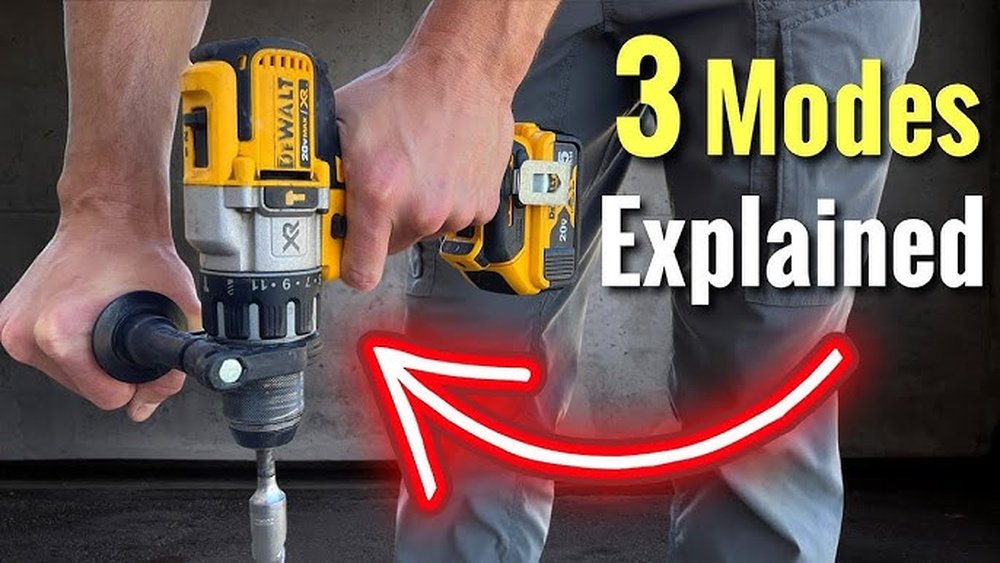
Are you wondering if your cordless drill can handle tough materials like cement or metal? You’re not alone.
Many people ask this because they want to use their tools efficiently without damage or frustration. The good news is, with the right approach, your cordless drill can be up to the task. Keep reading to discover how to use your cordless drill safely and effectively on cement and metal, so you can get your projects done faster and with confidence.
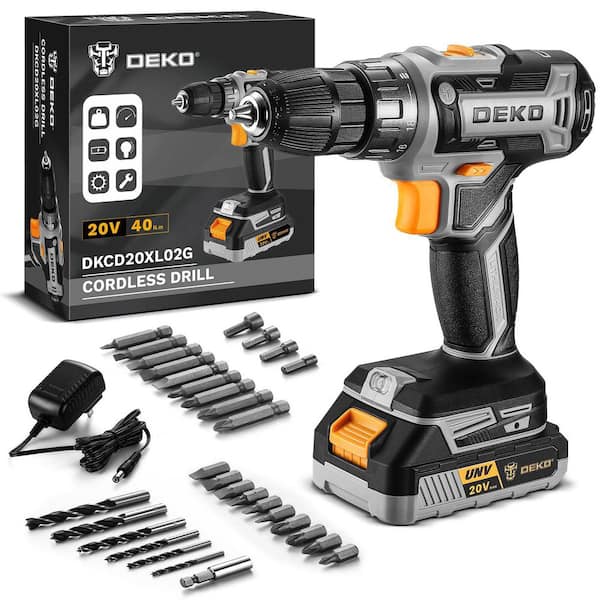
Credit: www.homedepot.com
Cordless Drills And Their Power
Cordless drills are popular tools for many jobs. They offer freedom from cords and easy handling. Power is a key factor when using cordless drills on tough materials like cement or metal. Understanding their power helps you pick the right drill for your task.
Power depends on the battery, torque, and speed of the drill. Each part affects how well the drill works on hard surfaces. Let’s explore these features to see how cordless drills perform.
Battery Types And Voltage
Batteries are the heart of cordless drills. The common types are lithium-ion and nickel-cadmium. Lithium-ion batteries last longer and charge faster. They also hold power better over time.
Voltage measures the battery’s strength. Higher voltage means more power. For drilling into cement or metal, choose a drill with 18 volts or higher. This ensures enough energy to handle tough materials without slowing down.
Torque And Speed Settings
Torque is the drill’s twisting force. More torque means the drill can push harder into material. Cement and metal need high torque to drill efficiently.
Speed settings control how fast the drill spins. Lower speeds give more control and prevent overheating. Higher speeds work well for softer materials. For hard surfaces, use low to medium speeds with high torque for best results.
Credit: www.walmart.com
Drilling Into Cement
Drilling into cement needs the right tools and care. Cement is hard and can wear down drill bits fast. Using a cordless drill is possible, but you must prepare well. Understanding the process helps you avoid mistakes and save time.
Choosing the right drill bits and using good techniques will make your work easier. Expect some challenges, but solutions exist to keep your drill working smoothly.
Choosing The Right Drill Bits
Use masonry drill bits for cement. These bits have a special tip made from carbide. They cut through cement better than normal bits. Pick bits labeled for concrete or masonry. Avoid using wood or metal bits on cement. The correct bit lasts longer and drills faster.
Techniques For Better Penetration
Start drilling slowly to create a small hole. Increase speed as the bit goes deeper. Do not press too hard. Let the drill do the work. Keep the drill straight to avoid breaking the bit. Stop often to clear dust and cool the bit. This prevents overheating and damage.
Common Challenges And Solutions
Drill bits can overheat and wear out quickly. Use water or spray to cool the bit. Cement dust can block the hole. Remove dust by pulling the bit out slowly while drilling. The drill may slip on smooth cement. Mark the spot clearly and start with a small guide hole. If the drill stops, check the battery or try a lower speed.
Drilling Into Metal
Drilling into metal can be challenging but doable with the right tools and technique. A cordless drill is handy for many metal projects. It offers freedom of movement and enough power for thin to medium metal sheets. Success depends on using the right drill bits, speed, and pressure. This helps avoid damage to the drill and metal.
Best Drill Bits For Metal
Choose drill bits made for metal. High-speed steel (HSS) bits work well for most metals. Titanium-coated bits last longer and cut faster. Cobalt bits handle harder metals like stainless steel. Using the correct bit type prevents breaking and dulling. Start with a small bit and increase size step by step for clean holes.
Proper Speed And Pressure
Use slower speeds for metal drilling. High speed can overheat and ruin the bit. Apply steady, moderate pressure. Press too hard and the drill or bit may break. Press too lightly and the bit will slip. Let the drill do the work. Keep the drill steady and straight to avoid jagged holes.
Avoiding Heat Buildup
Heat buildup damages drill bits and metal surface. Stop drilling often to cool the bit. Use cutting oil or water to reduce heat. This keeps the metal soft and the bit sharp. Overheating causes metal to harden and bits to dull fast. Cooling improves hole quality and tool life.

Credit: soleditalia.dk
Safety Tips For Drilling
Drilling into cement or metal requires care and attention to safety. Using a cordless drill can be safe if you follow the right steps. Safety helps prevent injuries and damage to tools. Always plan before starting your drilling task.
Protective Gear Recommendations
Wear safety glasses to protect your eyes from dust and debris. Use ear protection to guard against loud noise. Gloves help protect your hands from sharp edges and vibration. Wear a dust mask to avoid breathing in harmful particles. Choose sturdy shoes to protect your feet from falling objects.
Workspace Preparation
Clear the area around your workspace to avoid tripping hazards. Make sure the surface is stable and clean. Keep children and pets away from the drilling area. Ensure good lighting to see your work clearly. Secure the material you are drilling to prevent it from moving.
Preventing Tool Damage
Use the correct drill bit for cement or metal. Avoid forcing the drill; let it work at its own speed. Check your drill’s battery level before starting. Keep the drill cool by pausing if it gets hot. Clean the drill bits after use to keep them sharp and safe.
Maintaining Your Cordless Drill
Maintaining your cordless drill is key for its long life and strong performance. Regular care keeps the drill ready for tough jobs on cement or metal. Simple steps protect the motor, battery, and other parts from damage. Follow easy routines to avoid costly repairs and downtime.
Battery Care And Charging
Keep the battery healthy by charging it properly. Avoid letting it drain completely before recharging. Charge the battery in a cool, dry place to prevent overheating. Remove the battery from the drill if not using it for days. Use only the charger made for your drill’s battery type. This avoids damage and ensures full power. Store batteries at room temperature for best results.
Cleaning And Storage Tips
Clean your cordless drill after every use. Wipe the body with a dry cloth to remove dust and dirt. Use a small brush to clean vents and moving parts. Avoid water or liquid cleaners to protect electronics. Store the drill in a dry, safe place away from extreme temperatures. Keep it in its case to prevent dust buildup and accidental drops.
Frequently Asked Questions
Can A Cordless Drill Handle Cement Drilling?
Yes, a cordless drill can drill cement using a masonry bit. However, it works best on light-duty projects. For tougher jobs, a hammer drill is recommended for better efficiency and durability.
Is A Cordless Drill Suitable For Metal Drilling?
Cordless drills can drill metal if you use the correct metal drill bit. Ensure the drill has enough power and use a slow speed to avoid overheating.
What Drill Bits Work Best For Cement And Metal?
Masonry bits are ideal for cement, while high-speed steel (HSS) or cobalt bits work best for metal. Using the right bit ensures cleaner holes and longer tool life.
How To Improve Cordless Drill Performance On Hard Materials?
Use sharp, appropriate drill bits, apply steady pressure, and maintain a slow drilling speed. Charging the battery fully also maximizes power and efficiency.
Conclusion
A cordless drill can work on cement or metal with the right drill bits. Use a hammer drill bit for cement to make drilling easier. For metal, choose high-speed steel or cobalt bits to avoid damage. Always check your drill’s power and battery life before starting.
Take safety steps like wearing goggles and gloves. Small jobs are fine, but big projects may need more powerful tools. Knowing these basics helps you drill safely and effectively on tough materials.
