


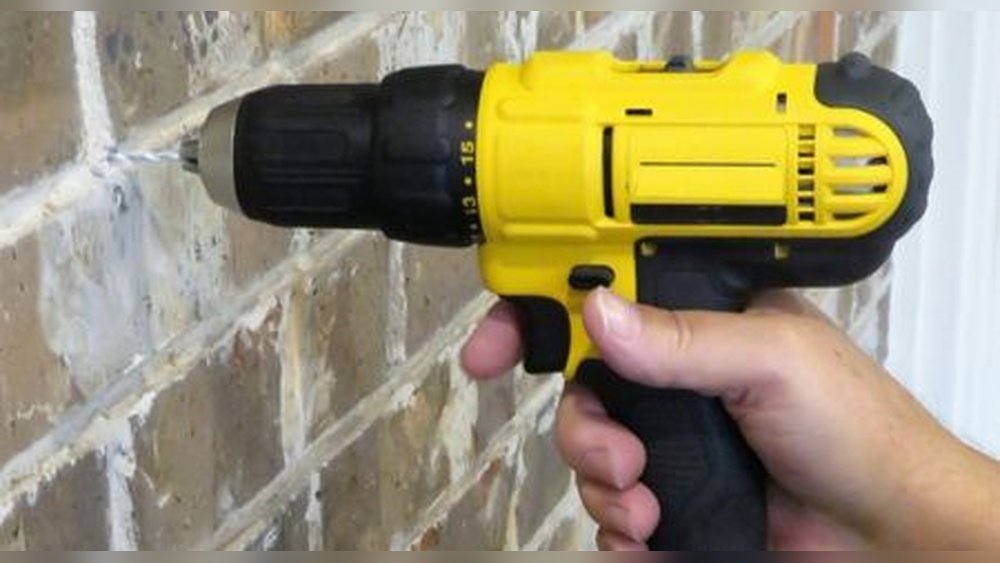
Are you wondering if your cordless drill can handle the tough job of drilling into brick? It’s a common question, especially when you want to hang shelves, install lights, or add decorations to your home.
Using the right tool makes all the difference between a smooth project and a frustrating mess. You’ll discover exactly how to use your cordless drill on brick, what to expect, and the tips that will make your job easier and safer.
Keep reading—you’re just a few steps away from mastering this handy skill!
/how-to-drill-into-brick-5218509_hero_01-65660423d3fe47bf92597c20e1942fd2.jpg)
Credit: www.thespruce.com
Cordless Drills And Brickwork
Drilling into brick can be tricky. Brick is hard and rough, so the right tools matter. Cordless drills offer freedom and ease without a power cord. But are they good for brickwork? Understanding their use helps you decide.
Suitability Of Cordless Drills For Brick
Cordless drills can drill into brick, but power varies. Stronger models with hammer function work better. A drill without hammer may struggle or take longer. Battery life also affects performance on tough materials. Use a masonry bit designed for brick. This prevents damage and ensures clean holes.
Types Of Cordless Drills
Two main types: standard cordless drills and hammer drills. Standard drills work well for wood and metal. Hammer drills add a pounding action to break brick. Cordless hammer drills combine portability with power. Choose brushless motor models for longer battery life. Consider voltage; higher volts usually mean more power.
Preparing To Drill Into Brick
Drilling into brick requires careful preparation. Bricks are hard and can crack without the right tools and steps. Proper preparation helps you drill clean holes safely and easily. It saves time and prevents damage to your walls or tools.
Selecting The Right Drill Bit
Use a masonry drill bit for brick surfaces. These bits have a special tip designed to cut through hard materials. Choose a bit size that fits your project needs. Avoid using wood or metal bits; they wear out quickly on brick. A carbide-tipped bit lasts longer and drills better. Check the drill bit for any damage before use.
Safety Gear And Precautions
Wear safety glasses to protect your eyes from dust and debris. Use gloves to protect your hands from rough brick edges. A dust mask prevents inhaling brick dust during drilling. Keep your work area clear to avoid tripping or accidents. Hold the drill firmly and steady to control it well. Never force the drill; let it work at its own pace.
Drilling Techniques For Brick
Drilling into brick requires specific techniques to ensure clean, accurate holes. Using a cordless drill can work well when you follow the right steps. Proper drilling makes the job easier and prevents damage to your brick or drill bit.
Marking The Spot
First, find the exact place where you want to drill. Use a pencil or marker to make a clear dot on the brick. Make sure the mark is easy to see. This helps guide the drill bit and keeps the hole precise.
Starting The Drill
Begin with a small drill bit to create a pilot hole. Hold the drill steady and start at a low speed. Keep the drill bit straight, perpendicular to the wall. This prevents slipping and ensures a neat hole.
Maintaining Control And Pressure
Apply steady, gentle pressure while drilling. Don’t push too hard or the bit may break. Let the drill do the work. Keep control of the drill to avoid wobbling. Take breaks if the drill or brick gets hot.

Credit: www.reddit.com
Common Challenges And Solutions
Drilling into brick with a cordless drill comes with certain challenges. Understanding these common issues helps you work smarter and safer. Here are some tips to handle the usual problems effectively.
Dealing With Hard Bricks
Some bricks are very hard and tough to drill through. Use a masonry drill bit designed for hard materials. Start drilling slowly to avoid overheating the bit. Press gently but firmly for steady progress. Take breaks to let the drill and bit cool down. This prevents damage and keeps the tool working well.
Avoiding Brick Damage
Drilling too fast or hard can crack the brick. Use a low drill speed to control the cut. Mark the spot clearly before you start. Hold the drill steady and straight to avoid slipping. Stop if you hear cracking sounds. Small, slow holes cause less damage and last longer.
Battery Life And Power Issues
Cordless drills depend on batteries that can run out fast. Charge your battery fully before starting. Keep a spare battery ready for long jobs. Use a drill with enough power for masonry work. Low battery power reduces drilling speed and can stall the tool.
After Drilling Care
After drilling into brick with a cordless drill, taking care of the hole is crucial. Proper after-drilling care ensures strong, lasting fixtures and prevents damage. It also helps keep the brick clean and ready for use.
Cleaning The Hole
Remove dust and debris from the drilled hole. Use a small brush or air blower to clear out dirt. This cleaning helps anchors or screws fit tightly. A clean hole prevents weak fixing and improves durability.
Securing Fixtures In Brick
Choose the right anchors for brick surfaces. Insert anchors carefully into the clean hole. Tighten screws slowly to avoid cracking the brick. Secure fixtures firmly but gently for long-lasting hold. Proper fixing keeps your items safe and stable.
Credit: www.homebuilding.co.uk
Frequently Asked Questions
Can A Cordless Drill Effectively Drill Into Brick?
Yes, a cordless drill can drill into brick if it has a hammer function and a masonry bit. Without these, it may struggle or damage the drill. Choose a drill with sufficient power for best results on brick surfaces.
What Type Of Drill Bit Is Best For Brick?
Use a carbide-tipped masonry drill bit for brick. These bits are designed to handle hard materials like brick and concrete. They provide cleaner holes and reduce wear on the drill, ensuring efficient and precise drilling.
How To Prevent A Cordless Drill From Slipping On Brick?
To prevent slipping, mark the spot with a punch or nail first. Start drilling at a low speed and steady pressure. Using a bit with a sharp tip also helps maintain grip on the brick surface.
Is A Cordless Drill Powerful Enough For Brick Drilling?
Many modern cordless drills offer enough power for small to medium brick drilling tasks. For larger jobs or hard bricks, a corded hammer drill might be more efficient. Check the drill’s voltage and features before use.
Conclusion
A cordless drill can work for drilling into brick with the right bit. Use a masonry drill bit to make the job easier. Take your time and apply steady pressure. Avoid forcing the drill to prevent damage. Remember, a hammer drill is better for tougher jobs.
For small tasks, a cordless drill does the trick. Safety first: wear goggles and gloves while working. With care and the right tools, drilling into brick is simple. Try it yourself and see how well it works.
