



Are you ready to tackle your next project but wondering if your cordless drill can handle mixing mortar? You might have heard different opinions and felt unsure about using your drill for this job.
The good news is, with the right approach, your cordless drill could be the perfect tool to make mixing mortar easier and faster. Keep reading, and you’ll discover how to do it safely, what tools you need, and tips to get the best results every time.
Don’t start mixing until you know these key points!
Credit: www.collomix.com
Cordless Drill Basics
A cordless drill is a common tool in many homes and workshops. It runs on batteries and does not need a power cord. This makes it easy to carry and use anywhere. Understanding the basics of a cordless drill helps you decide if it can mix mortar.
These drills come in different sizes and power levels. They are designed for drilling holes and driving screws. But their strong motor and speed control also make them useful for other tasks.
Key Features
A cordless drill has a rechargeable battery. This battery powers the motor inside the drill. The motor spins the drill bit or attachment at different speeds. Most drills have a variable speed trigger for better control.
The drill’s chuck holds various bits and accessories. Some chucks tighten by hand, others use a key. The drill also has forward and reverse settings. This helps with driving screws or removing them.
Common Uses
People use cordless drills mainly for making holes in wood, metal, or plastic. They also drive screws for building furniture, shelves, or decks. Some use cordless drills to mix paint or small amounts of liquid.
Because of their power, cordless drills can handle light mixing jobs. Mixing mortar needs a strong drill and the right attachment. Many DIYers try using cordless drills for this task to save time.

Credit: www.collomix.com
Mortar Mixing Essentials
Mixing mortar properly is key to any building or repair project. Good mortar holds bricks and stones firmly. It also prevents water and air from passing through walls. Understanding the basics of mortar mixing helps you get the best results. This section covers the main points you need to know.
Mortar Types
There are different mortar types for different jobs. Type N is common for general use. It works well for walls and fences. Type S is stronger and used for heavy loads. Type M is the strongest, used for foundations and driveways. Each type needs a specific mix ratio.
Mixing Requirements
Mortar needs the right water and powder mix. Too much water makes it weak. Too little water makes it hard to work with. The mortar should be smooth and thick. Mix small batches to keep it fresh. Use a clean container and tools for mixing. Stir until the color is even and no lumps remain.
Using Cordless Drill For Mixing
Using a cordless drill for mixing mortar is a smart way to save time and effort. It can mix mortar evenly and quickly. This method works well for small to medium mixing jobs. It helps avoid hand stirring, which is tiring and slow. Choosing the right drill and attachment is key to a smooth mixing process.
Suitable Drill Types
Not all cordless drills can handle mixing mortar. Look for drills with high torque. A drill with variable speed control is best. This lets you mix at slow speeds to avoid splashing. A drill with a strong battery will last longer during mixing. Avoid lightweight drills that may overheat or stall.
Recommended Attachments
Using the right attachment makes mixing easier. Paddle mixers are popular and fit many drills. They mix mortar thoroughly without creating air bubbles. Choose a paddle that matches your drill’s chuck size. Avoid using paint stirrers or other makeshift tools. Proper attachments protect your drill and improve mixing quality.
Step-by-step Mixing Guide
Mixing mortar with a cordless drill is simple if you follow clear steps. This guide helps you mix mortar smoothly and safely. It breaks down the process into easy parts for better results.
Preparing Materials
Start by gathering all needed items. You will need mortar mix, water, a mixing bucket, and a cordless drill with a paddle attachment. Use clean water for best results. Measure the mortar and water according to the package instructions. Place the dry mortar in the bucket before adding water.
Mixing Technique
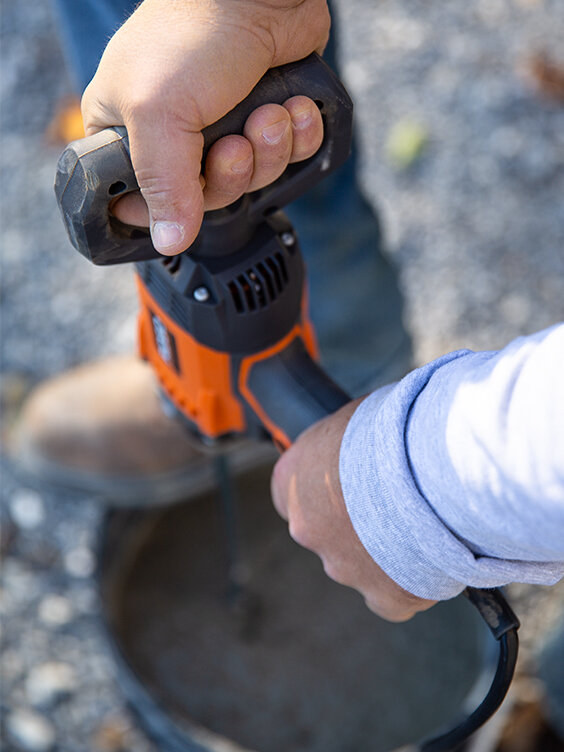
Attach the paddle to the drill securely. Begin mixing slowly to avoid splashing. Move the paddle in a circular motion to blend the ingredients evenly. Add water little by little if the mixture feels too dry. Mix until the mortar reaches a smooth, paste-like texture without lumps. Avoid over-mixing as it may weaken the mortar.
Safety Tips
Wear safety glasses to protect your eyes from dust. Use gloves to keep your hands safe from irritation. Work in a well-ventilated area to avoid breathing dust. Keep the drill steady to prevent accidents. Clean the drill and paddle right after mixing to avoid hard mortar buildup.
Benefits And Limitations
Using a cordless drill to mix mortar has both good points and limits. Knowing these helps decide if this tool fits your project. Mixing mortar needs power and control. Cordless drills offer both but with some trade-offs.
Advantages Of Cordless Drills
Cordless drills are easy to carry around. No cords mean more freedom to move. They work well in places without power outlets.
They save time by mixing mortar fast. You can mix small batches without extra tools. Many drills let you control speed for better mixing.
Using one tool for drilling and mixing cuts costs. It saves space in your toolbox. This tool is handy for quick repairs and small jobs.
Potential Drawbacks
Battery life can limit how long you mix mortar. Mixing large amounts may drain batteries quickly. You might need extra batteries for longer work.
Not all cordless drills have enough power for thick mortar. Some may overheat or slow down under heavy load. This can affect the mix quality.
Mixing attachments may not fit every drill model. This limits your tool choices. Also, cordless drills may be less stable than a dedicated mixer.

Credit: www.youtube.com
Expert Tips For Best Results
Using a cordless drill to mix mortar can save time and effort. To get the best results, you need to follow some expert tips. These tips help you mix mortar evenly and avoid damage to your drill. Proper technique also keeps your mortar the right consistency for your project.
Speed Settings
Choose a low speed on your cordless drill for mixing mortar. High speed can splash the mix and make a mess. Low speed mixes the mortar gently and evenly. Start slow, then increase speed slightly if needed. Keep the drill steady and avoid sudden movements.
Maintenance Advice
Clean the drill and mixing paddle right after use. Mortar hardens quickly and can ruin your tools. Wipe off excess mortar and rinse the paddle with water. Check the drill’s battery and motor for any dust or debris. Proper care extends the life of your drill and tools.
Frequently Asked Questions
Can A Cordless Drill Mix Mortar Effectively?
Yes, a cordless drill can mix mortar effectively if used with the right mixing attachment. It offers portability and ease of use for small to medium batches.
What Drill Speed Is Best For Mixing Mortar?
Use a low to medium speed setting on your drill to mix mortar. This prevents splashing and ensures a thorough, consistent mix.
Is A Cordless Drill Powerful Enough For Mortar Mixing?
Most cordless drills have sufficient power for mixing mortar in small quantities. For larger batches, consider a heavy-duty drill or dedicated mixer.
What Type Of Drill Bit Is Suitable For Mortar Mixing?
Use a paddle mixer attachment designed for mortar with your cordless drill. Avoid regular drill bits as they can’t mix materials properly.
Conclusion
Using a cordless drill to mix mortar can save time and effort. It works well for small to medium jobs. Choose the right drill and mixing attachment for best results. Keep the drill speed low to avoid splashing. Clean your tools quickly to prevent mortar hardening.
Mixing mortar this way is practical and easy. Just remember to follow safety tips and work steadily. This method suits DIY projects and light construction tasks. Give it a try and see how it helps you mix mortar fast.
