


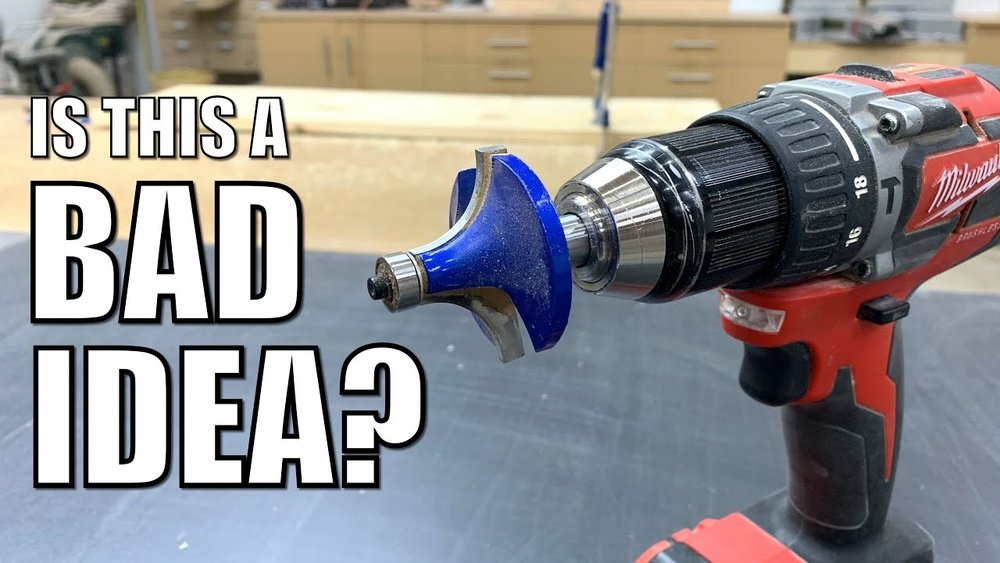
Have you ever wondered if you can use a router bit with your cordless drill? If you’re looking to save time and money on your woodworking projects, this question is probably on your mind.
Using the right tools can make all the difference in your work, but mixing them up can lead to frustration or even damage. You’ll discover whether your cordless drill can handle a router bit safely and effectively. By the end, you’ll know exactly what to do to get the results you want without risking your tools or your project.
Keep reading to find out the truth behind this common DIY dilemma.

Credit: www.blackanddecker.com
Choosing The Right Router Bit
Choosing the right router bit is key to getting good results with a cordless drill. The bit you pick affects how smooth and accurate your cuts will be. Each bit serves a different purpose and fits different materials and drill types. Knowing which bit to use helps avoid damage to your tool and workpiece.
Types Of Router Bits
Router bits come in many shapes and designs. Straight bits cut straight lines and grooves. Round-over bits create smooth curved edges. Chamfer bits make angled cuts on edges. Dovetail bits shape joints for woodwork. Picking the right type depends on the cut you want to make.
Material Compatibility
Not all router bits work well on every material. Some bits cut wood best, while others handle plastic or soft metals. Using the wrong bit can dull it quickly or damage your project. Check if the bit is suitable for your material before starting work.
Size And Shank Considerations
Router bits come with different shank sizes. The shank is the part that fits into the drill. Common sizes are 1/4 inch and 1/2 inch. Make sure the bit’s shank matches your drill’s chuck size. Using a loose or too-large bit can be unsafe and cause poor cuts.
Cordless Drill Capabilities
Understanding the capabilities of a cordless drill is key before using a router bit. These tools vary in power, speed, and design. Knowing these limits helps in choosing the right drill for your project. Cordless drills are handy but have restrictions compared to dedicated routers.
Power And Speed Limits
Cordless drills have lower power than routers. They usually run at 12 to 20 volts. This power level may not be enough for heavy routing tasks. Speed control is limited too. Routers spin between 8,000 and 25,000 RPM. Most cordless drills max out near 2,000 RPM. This speed difference affects cutting smoothness and control.
Chuck Size And Bit Fit
Cordless drills have chucks sized 3/8 inch or 1/2 inch. Router bits require a shank that fits these sizes. Some router bits come with a shank too big or too small. This mismatch can cause slippage or damage. Using collets or adapters helps fit router bits securely. Always check bit size before attaching to a drill.
Battery Life And Performance
Battery life limits how long you can work. High-power tasks drain batteries quickly. Overheating can reduce drill performance. Choose drills with strong batteries for longer use. Carry extra batteries for long projects. Keep batteries cool to extend their lifespan.
Safety Precautions
Using a router bit with a cordless drill can be risky without proper safety steps. Taking safety precautions protects you and your tools. It helps prevent accidents and tool damage. Focus on three key areas for safe use.
Securing The Bit Properly
Make sure the router bit fits tightly in the drill chuck. A loose bit can slip or fly out during use. Tighten the chuck firmly by hand and then with a chuck key if available. Check the bit before starting work. Double-check the fit to avoid accidents.
Wearing Protective Gear
Always wear safety glasses to protect your eyes from flying debris. Use ear protection to guard against loud noise. Wear gloves to protect your hands but avoid loose gloves that can get caught. Use a dust mask to avoid breathing dust. Safety gear reduces injury risks.
Avoiding Overheating
Do not run the drill at full speed all the time. High speed creates heat that can damage the bit and drill. Take breaks to let the tool cool down. Keep the bit sharp and clean to reduce resistance. Overheating weakens the tool and can cause accidents.

Credit: woodworking.stackexchange.com
Techniques For Using Router Bits With Drills
Using router bits with a cordless drill requires some special techniques to get good results and stay safe. The drill is not made to work exactly like a router. You must control the speed well, hold the drill steady, and adjust your method based on the material you work on. These tips help you use router bits with drills properly.
Controlling Speed
Drills often spin too fast for router bits. High speed can burn wood or damage the bit. Use the drill’s variable speed setting. Start slow. Increase speed slowly while watching the cut. Keep speed steady during the work. Avoid sudden changes. Slow speeds help avoid mistakes and keep edges smooth.
Maintaining Stability
Hold the drill firmly with both hands. Keep the router bit straight and steady. Move the drill slowly along the line. Avoid pushing hard. Let the bit do the work. Moving too fast or wiggling the drill causes rough cuts. Use clamps to fix the workpiece. This stops it from moving and helps you stay safe.
Handling Different Materials
Wood and plastic are easier to cut than metal. For soft wood, use slower speed and gentle pressure. Hard wood needs slower speed and steady movement. Plastic cuts best at moderate speed to avoid melting. Metal requires special bits and very slow speed. Always test on scrap pieces first. Adjust your speed and pressure based on the material’s response.
Alternatives To Cordless Drills
Using a cordless drill with a router bit is not always the best choice. There are safer and more effective tools for routing tasks. These alternatives provide better control and precision. They also reduce the risk of damage to your workpiece and the tool itself.
Explore these options to find a tool that fits your needs. They can help you achieve cleaner cuts and a smoother finish.
Dedicated Router Tools
Dedicated router tools are designed specifically for routing. They offer strong motors and stable bases. This makes them ideal for cutting and shaping wood. You get better speed control and depth adjustment. This ensures more accurate and consistent results. Using a dedicated router reduces the chance of accidents. It is easier to handle than a cordless drill for this work.
Drill Attachments And Adaptors
Drill attachments and adaptors can transform your cordless drill for light routing jobs. These accessories fit into the drill chuck and hold router bits securely. They provide some level of depth control but not as precise as dedicated routers. Attachments are best for small or occasional tasks. They are cost-effective and easy to use. Still, they are not suited for heavy or detailed routing.
Common Mistakes To Avoid
Using a router bit with a cordless drill can be tricky. Many people make avoidable mistakes that can damage tools or cause accidents. Knowing these common errors helps you work safely and efficiently. Here are some key mistakes to avoid.
Using Incompatible Bits
Not all router bits fit cordless drills. Router bits need a specific shank size and shape. Using the wrong bit can cause wobbling or poor cuts. It may also damage the drill or bit. Always check the bit’s compatibility before use.
Ignoring Drill Limitations
Cordless drills have less power than routers. Forcing them to cut hard wood or deep grooves can overheat the motor. This shortens the drill’s life. Use the drill for light tasks only. Avoid long continuous runs to prevent damage.
Neglecting Safety Measures
Skipping safety steps causes accidents. Always wear eye and ear protection. Secure the workpiece firmly. Keep hands away from the bit during use. Unplug or remove the battery before changing bits. Safety is key for every project.

Credit: www.youtube.com
Frequently Asked Questions
Can I Use A Router Bit With A Cordless Drill Safely?
Yes, you can use a router bit with a cordless drill, but it’s not ideal. Router bits require high speed and stability. Cordless drills may lack the necessary speed and torque, risking bit damage or injury. Use a router or router attachment for better safety.
Will A Cordless Drill Provide Enough Power For Router Bits?
Cordless drills usually don’t provide enough power or consistent speed for router bits. Router bits need high RPMs and torque to cut smoothly. Using a drill may cause rough cuts or bit damage. For best results, use a dedicated router or a high-speed tool.
What Adapter Do I Need For Router Bits On A Drill?
You need a collet adapter that fits your drill chuck and router bit shank. This adapter secures the router bit in the drill. However, using one doesn’t guarantee safe operation due to speed and torque differences. Always verify compatibility before use.
Can A Cordless Drill Damage Router Bits?
Yes, a cordless drill can damage router bits due to insufficient speed and torque control. Drill motors may cause overheating and uneven wear on bits. Prolonged use can dull or break the bit. Use proper tools designed for router bits to avoid damage.
Conclusion
Using a router bit with a cordless drill can work for light tasks. The drill’s speed and power might limit the results. Choose the right bit size and drill with care. Always wear safety gear to protect yourself. For heavy or precise work, a proper router works best.
Trying this method saves money but may reduce quality. Keep expectations realistic to avoid frustration. This approach suits simple projects and quick fixes. Remember, safety and the right tools matter most.
